
Antarctica: Why the World’s Largest Desert Can Never Experience a Heatwave

When people think of a desert, they usually picture endless sand dunes, scorching sunlight, and extreme heat. Places like the Sahara or the Arabian Desert instantly come to mind. However, the world’s largest desert, Antarctica, completely changes this perception. Despite being covered in ice and snow, Antarctica is officially classified as a desert - and interestingly, it is a desert where heatwaves are virtually impossible.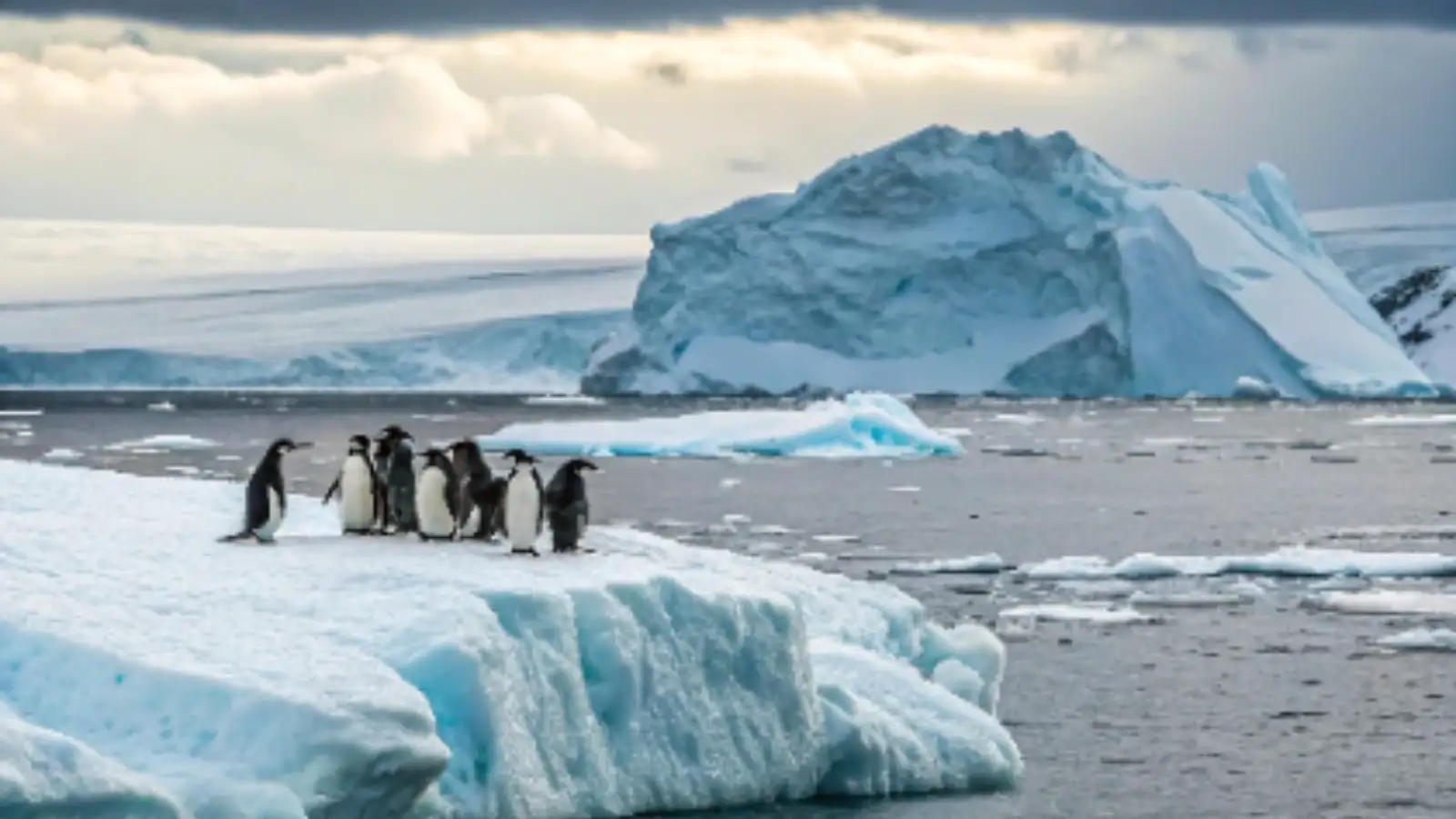
Antarctica Is the World’s Largest Desert
Many people associate deserts with heat, but scientifically, deserts are defined by how little precipitation they receive, not by temperature. A region that gets very limited rainfall or snowfall is considered a desert.
Antarctica receives extremely low precipitation every year, often less than many hot deserts. Because of this extreme dryness, scientists classify it as the largest desert on Earth , covering roughly 14 million square kilometres. This makes it even larger than the Sahara Desert.
The lack of precipitation also makes life difficult for plants and animals, which is why only a limited number of species can survive in this harsh environment.
Why Heatwaves Are Almost Impossible in Antarctica
A heatwave typically occurs when temperatures rise far above the usual average of a region for several consecutive days. In Antarctica, such a situation is extremely unlikely due to several unique environmental and atmospheric conditions.
These factors work together to keep temperatures consistently low across the continent.
Extremely Cold and Heavy Air Over the South Pole
One of the main reasons Antarctica remains so cold is the nature of the air above it. The air in this region is extremely cold and dense, which limits its ability to hold moisture.
Cold air also reduces cloud formation and snowfall. In addition, powerful winds circulate around the continent, creating a natural atmospheric barrier. These winds prevent warmer air from other parts of the planet from easily entering Antarctica. As a result, the region remains isolated from heat that could otherwise raise temperatures.
Ice and Snow Reflect Most of the Sun’s Energy
Another key factor is the vast ice sheet covering Antarctica. Snow and ice reflect a large portion of incoming sunlight back into space - a phenomenon known as the albedo effect.
Because the surface reflects most of the Sun’s energy instead of absorbing it, the land does not warm up significantly. Even during the Antarctic summer, when the Sun can shine for nearly 24 hours a day, the reflected radiation keeps temperatures extremely low.
Antarctica’s High Elevation Keeps It Colder
Antarctica is also the highest continent on Earth in terms of average elevation. Large parts of the land sit about 2,500 metres above sea level.
At higher altitudes, the air becomes thinner and holds less heat. This means temperatures drop even further. The central Antarctic plateau, which lies at a higher elevation, experiences some of the coldest conditions on the planet.
Frozen Ground Prevents Heat Absorption
Unlike hot deserts that absorb and store solar heat in sand or soil, Antarctica’s ground remains permanently frozen.
The thick layer of ice prevents heat from being absorbed and retained by the surface. Without this heat absorption, temperatures cannot build up the way they do in other desert environments. This permanently frozen surface plays a major role in preventing any significant warming.
The Coldest Temperature Ever Recorded on Earth
Antarctica also holds the record for the lowest temperature ever directly measured on Earth. On 21 July 1983, scientists recorded a temperature of -89.2°C at the Vostok research station.
Later satellite observations suggested that temperatures in parts of East Antarctica might have dropped even lower, possibly approaching -98°C. These values highlight just how extreme the continent’s climate is, making heatwaves practically unimaginable.
Has Antarctica Ever Experienced Warming?
Although Antarctica does not experience traditional heatwaves, some coastal regions have occasionally recorded short-lived temperature spikes.
For example, parts of the Antarctic Peninsula recorded temperatures above 18°C in 2020. However, these events were brief and limited to specific coastal areas. The interior of the continent remained deeply frozen, meaning these spikes do not qualify as continent-wide heatwaves.
Why Antarctica Is Very Different from Hot Deserts
The difference between Antarctica and hot deserts lies in how dryness is created.
Hot deserts like the Sahara become dry because of descending hot air that prevents rainfall.
Antarctica remains dry because extremely cold air cannot hold much moisture.
In simple terms, both regions are deserts, but the reasons behind their dryness are completely different.
What Makes Antarctica Unique Among All Deserts
Antarctica stands out among deserts due to several extreme characteristics:
These factors combine to create an environment where temperatures remain consistently low throughout the year.
The Science Behind Antarctica’s Extreme Climate
Scientists agree that Antarctica’s climate is shaped by a combination of factors: extremely low precipitation, reflective ice surfaces, high altitude, and strong atmospheric isolation.
Together, these elements ensure that the world’s largest desert, Antarctica, remains a frozen landscape where a true heatwave is nearly impossible. The continent is a striking reminder that deserts are not always hot - sometimes, the biggest desert on Earth can also be the coldest place on the planet.
Antarctica Is the World’s Largest Desert
Many people associate deserts with heat, but scientifically, deserts are defined by how little precipitation they receive, not by temperature. A region that gets very limited rainfall or snowfall is considered a desert.
Antarctica receives extremely low precipitation every year, often less than many hot deserts. Because of this extreme dryness, scientists classify it as the largest desert on Earth , covering roughly 14 million square kilometres. This makes it even larger than the Sahara Desert.
The lack of precipitation also makes life difficult for plants and animals, which is why only a limited number of species can survive in this harsh environment.
Why Heatwaves Are Almost Impossible in Antarctica
A heatwave typically occurs when temperatures rise far above the usual average of a region for several consecutive days. In Antarctica, such a situation is extremely unlikely due to several unique environmental and atmospheric conditions.
These factors work together to keep temperatures consistently low across the continent.
Extremely Cold and Heavy Air Over the South Pole
One of the main reasons Antarctica remains so cold is the nature of the air above it. The air in this region is extremely cold and dense, which limits its ability to hold moisture.
Cold air also reduces cloud formation and snowfall. In addition, powerful winds circulate around the continent, creating a natural atmospheric barrier. These winds prevent warmer air from other parts of the planet from easily entering Antarctica. As a result, the region remains isolated from heat that could otherwise raise temperatures.
Ice and Snow Reflect Most of the Sun’s Energy
Another key factor is the vast ice sheet covering Antarctica. Snow and ice reflect a large portion of incoming sunlight back into space - a phenomenon known as the albedo effect.
Because the surface reflects most of the Sun’s energy instead of absorbing it, the land does not warm up significantly. Even during the Antarctic summer, when the Sun can shine for nearly 24 hours a day, the reflected radiation keeps temperatures extremely low.
Antarctica’s High Elevation Keeps It Colder
Antarctica is also the highest continent on Earth in terms of average elevation. Large parts of the land sit about 2,500 metres above sea level.
At higher altitudes, the air becomes thinner and holds less heat. This means temperatures drop even further. The central Antarctic plateau, which lies at a higher elevation, experiences some of the coldest conditions on the planet.
Frozen Ground Prevents Heat Absorption
Unlike hot deserts that absorb and store solar heat in sand or soil, Antarctica’s ground remains permanently frozen.
The thick layer of ice prevents heat from being absorbed and retained by the surface. Without this heat absorption, temperatures cannot build up the way they do in other desert environments. This permanently frozen surface plays a major role in preventing any significant warming.
The Coldest Temperature Ever Recorded on Earth
Antarctica also holds the record for the lowest temperature ever directly measured on Earth. On 21 July 1983, scientists recorded a temperature of -89.2°C at the Vostok research station.
Later satellite observations suggested that temperatures in parts of East Antarctica might have dropped even lower, possibly approaching -98°C. These values highlight just how extreme the continent’s climate is, making heatwaves practically unimaginable.
Has Antarctica Ever Experienced Warming?
Although Antarctica does not experience traditional heatwaves, some coastal regions have occasionally recorded short-lived temperature spikes.
For example, parts of the Antarctic Peninsula recorded temperatures above 18°C in 2020. However, these events were brief and limited to specific coastal areas. The interior of the continent remained deeply frozen, meaning these spikes do not qualify as continent-wide heatwaves.
Why Antarctica Is Very Different from Hot Deserts
The difference between Antarctica and hot deserts lies in how dryness is created.
Hot deserts like the Sahara become dry because of descending hot air that prevents rainfall.
Antarctica remains dry because extremely cold air cannot hold much moisture.
In simple terms, both regions are deserts, but the reasons behind their dryness are completely different.
What Makes Antarctica Unique Among All Deserts
Antarctica stands out among deserts due to several extreme characteristics:
- It is the coldest continent on Earth
- It is the largest desert in the world
- It is the highest continent by average elevation
- It is also one of the windiest places on the planet
These factors combine to create an environment where temperatures remain consistently low throughout the year.
The Science Behind Antarctica’s Extreme Climate
Scientists agree that Antarctica’s climate is shaped by a combination of factors: extremely low precipitation, reflective ice surfaces, high altitude, and strong atmospheric isolation.
Together, these elements ensure that the world’s largest desert, Antarctica, remains a frozen landscape where a true heatwave is nearly impossible. The continent is a striking reminder that deserts are not always hot - sometimes, the biggest desert on Earth can also be the coldest place on the planet.
Next Story