
The Pink Moon Explained: Meaning, Significance And Facts

Every April, skywatchers anticipate the Pink Moon , a full moon with a beautiful springtime significance. Despite its name, the Pink Moon does not appear pink in the night sky. Its title comes from the blooming of the early spring wildflower, moss pink (Phlox subulata), rather than the moon’s colour.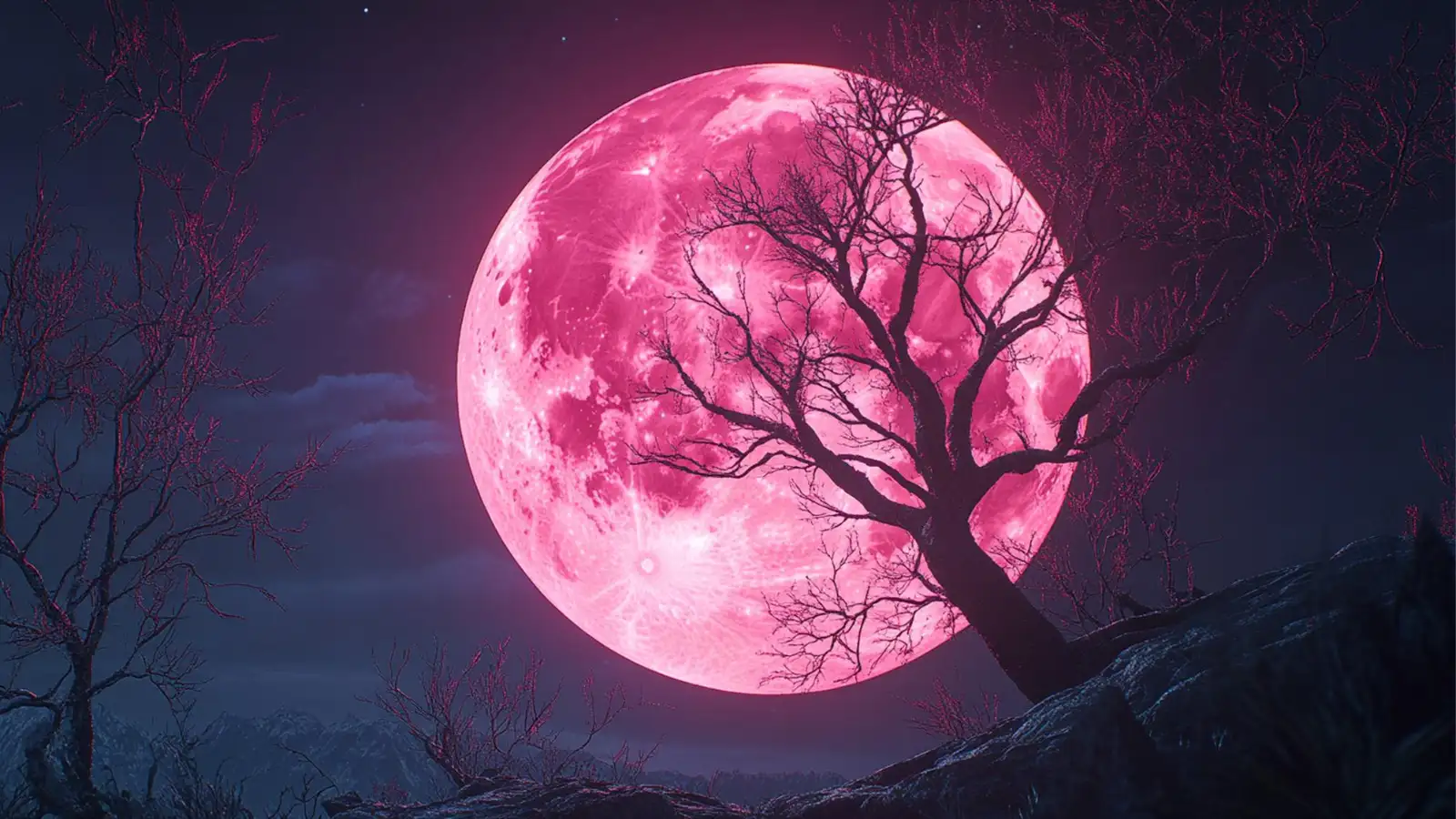
Why the Pink Moon Is Called “Pink”
The name originates from Native American and colonial traditions that named moons based on natural events and seasonal cues. The moss pink flower blooms in early spring, signalling warmer weather and longer days. Poetic in nature, the Pink Moon simply marks the arrival of spring rather than describing the moon’s actual colour.
Read More: April Sky Watching Guide: From Pink Moon to Planetary Alignment
The Colour of the Pink Moon
Like all full moons, the Pink Moon appears white, pale yellow, or pale orange, depending on atmospheric conditions. Its name is symbolic, not literal, representing the natural cycles of growth and renewal.
Cultural and Seasonal Significance
The Pink Moon holds rich symbolic meaning:
Beyond its name, the Pink Moon reminds us of the hope, growth, and longer daylight that comes with spring.
You may also like
- InvITs Explained: How They Generate Regular Income and Whether You Should Invest
- LPG Booking Scam: Bank Accounts Drained Immediately Upon Booking Gas Cylinders; Massive Fraud Underway, Alert Issued..
- Roman's 'very flattering' £36 denim culottes 'pair with pretty summer tops'
- Love Hormone Oxytocin Nasal Spray: Can you make your life romantic by taking a nasal spray of love hormone? Learn what the study revealed?
- Train Ticket Cancellation Rules 2026: No Refund If Cancelled Within 8 Hours—Check New Charges
Why the Pink Moon Is Called “Pink”
The name originates from Native American and colonial traditions that named moons based on natural events and seasonal cues. The moss pink flower blooms in early spring, signalling warmer weather and longer days. Poetic in nature, the Pink Moon simply marks the arrival of spring rather than describing the moon’s actual colour. Read More: April Sky Watching Guide: From Pink Moon to Planetary Alignment
The Colour of the Pink Moon
Like all full moons, the Pink Moon appears white, pale yellow, or pale orange, depending on atmospheric conditions. Its name is symbolic, not literal, representing the natural cycles of growth and renewal. Cultural and Seasonal Significance
The Pink Moon holds rich symbolic meaning: - Renewal and rebirth: Associated with spring and new beginnings.
- Agricultural timing: Traditionally linked to planting cycles and seasonal transitions.
- Global names: In other cultures, it’s known as the Sprouting Grass Moon or Egg Moon, reflecting local traditions.
Beyond its name, the Pink Moon reminds us of the hope, growth, and longer daylight that comes with spring.






More from our partners


Loving Newspoint? Download the app now
