
Thinking of Buying an Electric Scooter for Your Daily Commute? Check These Pros and Cons

Electric scooters are becoming an increasingly popular option for everyday travel, particularly among people looking to reduce fuel expenses and simplify city commuting. They can be convenient for office journeys, shopping trips and regular errands, but their suitability depends on how far you travel and where you can charge them. A scooter that works well for a short city ride may not be the best choice for a long daily commute involving highways or limited charging facilities. Before switching from a petrol scooter, it is important to consider real-world range, charging time, battery life, comfort and maintenance. Understanding these factors can help you decide whether an electric scooter suits your routine.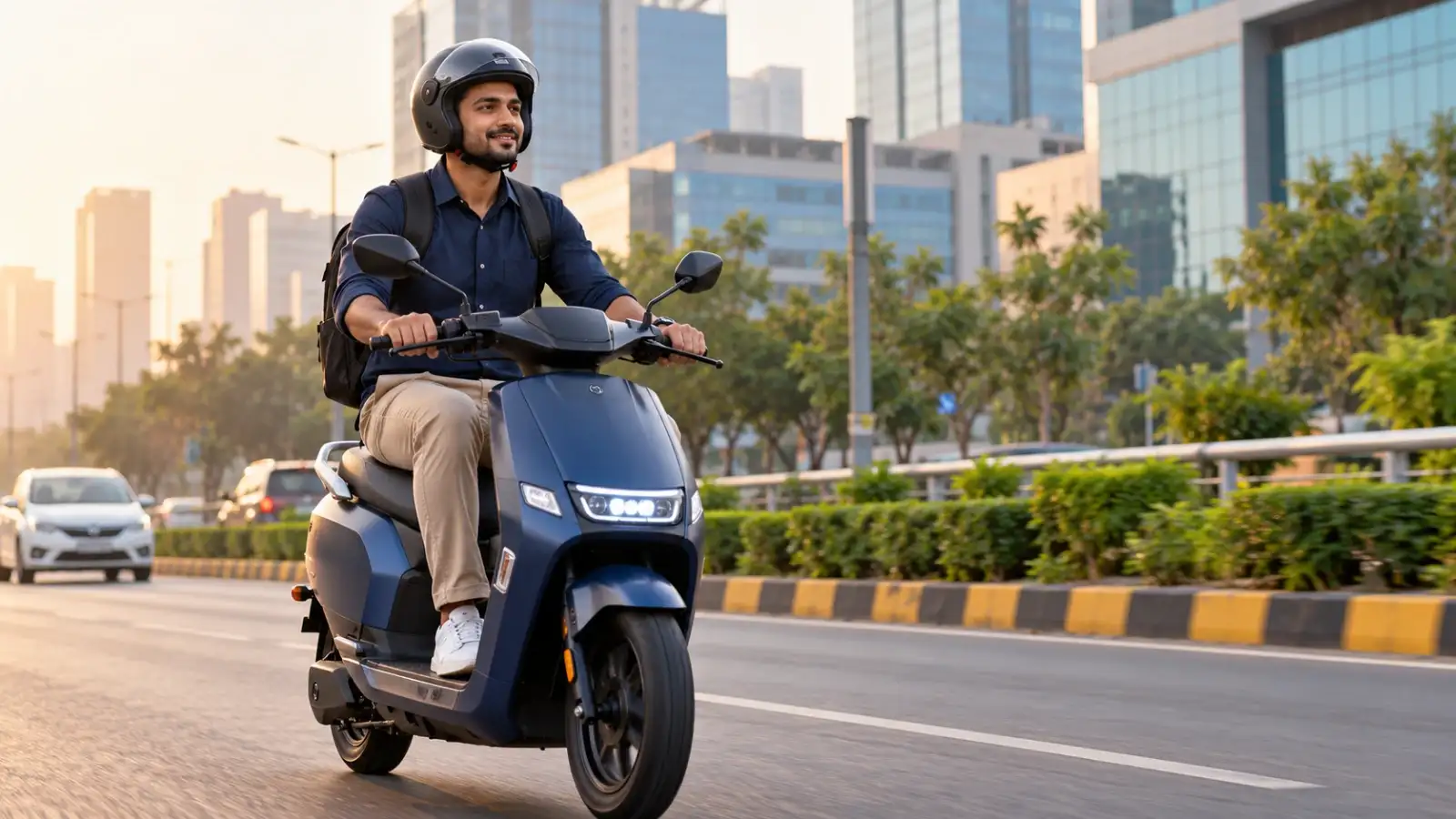
Real-world range depends on riding speed, traffic, road gradients, passenger weight, tyre pressure, temperature and the use of features such as lights. Frequent acceleration and high-speed riding can also consume more battery power.
Calculate your total daily travel distance, including the return journey and any regular stops. As a practical precaution, choose a scooter that can comfortably cover your usual route without requiring you to use the battery's full capacity every day.
However, people living in shared accommodation or apartment buildings should check whether charging is permitted and whether a safe electrical connection is available. Never assume that a parking space automatically includes charging facilities.
If you plan to rely on public charging points, check their locations, compatibility and availability along your regular route. Depending on public charging for every journey can become inconvenient if stations are occupied, out of service or located far from your destination.
For someone who travels to work and returns home in the evening, overnight charging may be sufficient. But if the scooter is used for several long trips throughout the day, charging breaks may disrupt the schedule.
Check the manufacturer's stated charging time and understand whether the battery is removable. A removable battery may offer flexibility where charging the entire scooter near a power socket is difficult, provided the battery can be handled and charged safely according to the manufacturer's instructions.
To estimate the electricity cost, divide the energy used for a full charge by the distance covered on that charge, then multiply the result by your electricity tariff. Remember that charging losses can increase the energy drawn from the socket.
Also include the purchase price, insurance, servicing, tyres and possible battery replacement over the ownership period. A higher-priced scooter may not necessarily deliver the lowest total cost, so compare several models using your expected annual distance.
Take a test ride on roads similar to those you use every day. Pay attention to potholes, speed breakers, braking response and how easily you can manoeuvre through traffic.
If you regularly carry a passenger or a work bag, check the scooter's permitted load capacity and available storage. A comfortable riding position is particularly important if you expect to spend a significant amount of time on the road each day.
Check the scooter's top speed, acceleration, braking system and stability before buying it. If your commute includes roads with higher speed limits, make sure the model is legally permitted and appropriate for those conditions.
Do not assume that every electric scooter is suitable for expressways or high-speed routes. Follow local traffic rules and the manufacturer's restrictions, and avoid choosing a model based on advertised speed alone.
Ask about the cost and availability of replacement batteries, the location of authorised service centres and the process for diagnosing battery problems.
Service support matters because a long daily commute leaves little room for unexpected downtime. A scooter with convenient local servicing and reliable parts availability may be more practical than a model with attractive specifications but limited support in your area.
Check the manufacturer's guidance on wet-weather riding and water exposure. Do not ride through deep water or flooded streets, and never charge a wet or damaged battery unless it has been inspected and declared safe according to the manufacturer's instructions.
If your commute is long, maintain a battery reserve for diversions or unexpected stops. It is also useful to know where you could safely recharge if your plans change.
However, they may be less suitable when daily distances are close to the maximum range, public charging is unreliable or the route involves sustained high-speed riding. Charging arrangements, battery warranty and local service support also deserve careful consideration.
Before making a decision, calculate your daily distance, compare realistic running costs and take a test ride on similar roads. Choosing a scooter that suits your actual routine is more important than relying on advertised range or the lowest purchase price.
1. Check the Real-World Riding Range
Range is one of the most important factors when choosing an electric scooter for a long commute. Manufacturers usually advertise a claimed range, but the distance you can actually travel on one charge may be lower.Real-world range depends on riding speed, traffic, road gradients, passenger weight, tyre pressure, temperature and the use of features such as lights. Frequent acceleration and high-speed riding can also consume more battery power.
Calculate your total daily travel distance, including the return journey and any regular stops. As a practical precaution, choose a scooter that can comfortably cover your usual route without requiring you to use the battery's full capacity every day.
2. Understand Your Charging Options
Charging convenience can determine whether an electric scooter works for your daily routine. If you have a secure parking space at home with access to a suitable electrical socket, charging overnight may be straightforward.However, people living in shared accommodation or apartment buildings should check whether charging is permitted and whether a safe electrical connection is available. Never assume that a parking space automatically includes charging facilities.
If you plan to rely on public charging points, check their locations, compatibility and availability along your regular route. Depending on public charging for every journey can become inconvenient if stations are occupied, out of service or located far from your destination.
3. Compare Charging Time With Your Schedule
Electric scooters generally take longer to recharge than petrol scooters take to refuel. Charging time varies by model, battery capacity, charger type, battery temperature and the remaining charge level.For someone who travels to work and returns home in the evening, overnight charging may be sufficient. But if the scooter is used for several long trips throughout the day, charging breaks may disrupt the schedule.
Check the manufacturer's stated charging time and understand whether the battery is removable. A removable battery may offer flexibility where charging the entire scooter near a power socket is difficult, provided the battery can be handled and charged safely according to the manufacturer's instructions.
4. Calculate the Actual Running Costs
One of the main attractions of electric scooters is their potentially lower running cost. Electricity can cost less per kilometre than petrol, although the savings depend on local electricity tariffs, vehicle efficiency and petrol prices.To estimate the electricity cost, divide the energy used for a full charge by the distance covered on that charge, then multiply the result by your electricity tariff. Remember that charging losses can increase the energy drawn from the socket.
Also include the purchase price, insurance, servicing, tyres and possible battery replacement over the ownership period. A higher-priced scooter may not necessarily deliver the lowest total cost, so compare several models using your expected annual distance.
5. Consider Comfort During Long Rides
A scooter may have sufficient range but still feel uncomfortable over a long journey. Seat design, riding posture, suspension, handlebar position and footboard space can affect how tiring the commute becomes.Take a test ride on roads similar to those you use every day. Pay attention to potholes, speed breakers, braking response and how easily you can manoeuvre through traffic.
If you regularly carry a passenger or a work bag, check the scooter's permitted load capacity and available storage. A comfortable riding position is particularly important if you expect to spend a significant amount of time on the road each day.
6. Check Performance on Your Daily Route
Not every electric scooter is designed for the same riding conditions. Some are primarily suited to slower urban travel, while others offer stronger performance for faster roads.Check the scooter's top speed, acceleration, braking system and stability before buying it. If your commute includes roads with higher speed limits, make sure the model is legally permitted and appropriate for those conditions.
Do not assume that every electric scooter is suitable for expressways or high-speed routes. Follow local traffic rules and the manufacturer's restrictions, and avoid choosing a model based on advertised speed alone.
You may also like
- Why Women Must Stop Mistaking Menopause for Normal Aging
- Crucial Daily Habits to Shield Your Lungs as Urban AQI Crashes
- How Cooking Oil Smoke & Urban Smog Are Fueling a Dangerous Lung
- In 2023, families in a Mathura village doubted women could run a mustard oil unit; today five women manage the Rs 14 lakh venture, which has recorded more than Rs 24 lakh in sales since opening
- Bengaluru techie calls human dignity the biggest workplace perk, says he takes leave with just one message and works without strict attendance checks or micromanagement
7. Understand Battery Warranty and After-Sales Support
The battery is one of the most important components of an electric scooter. Before purchasing, review the battery warranty, including its duration, kilometre limits, exclusions and any conditions that could affect coverage.Ask about the cost and availability of replacement batteries, the location of authorised service centres and the process for diagnosing battery problems.
Service support matters because a long daily commute leaves little room for unexpected downtime. A scooter with convenient local servicing and reliable parts availability may be more practical than a model with attractive specifications but limited support in your area.
8. Think About Weather and Unexpected Delays
Daily travel does not always follow ideal conditions. Heavy rain, waterlogged roads, extreme temperatures and traffic diversions can affect journey time and battery consumption.Check the manufacturer's guidance on wet-weather riding and water exposure. Do not ride through deep water or flooded streets, and never charge a wet or damaged battery unless it has been inspected and declared safe according to the manufacturer's instructions.
If your commute is long, maintain a battery reserve for diversions or unexpected stops. It is also useful to know where you could safely recharge if your plans change.
So, Are Electric Scooters Practical for Long Daily Commutes?
Electric scooters can be a practical choice for long daily commutes when the journey falls comfortably within the scooter's real-world range and charging is convenient. They can offer lower energy costs, quiet operation and straightforward use in city traffic.However, they may be less suitable when daily distances are close to the maximum range, public charging is unreliable or the route involves sustained high-speed riding. Charging arrangements, battery warranty and local service support also deserve careful consideration.
Before making a decision, calculate your daily distance, compare realistic running costs and take a test ride on similar roads. Choosing a scooter that suits your actual routine is more important than relying on advertised range or the lowest purchase price.






Loving Newspoint? Download the app now
