The Hidden Cost of Wanderlust: Are Tourists Ruining the Places They Love?

Travel has long been celebrated as one of the most enriching human experiences. Exploring ancient ruins, relaxing on pristine beaches, wandering through historic city streets, and immersing oneself in local cultures broadens our perspectives and creates lifelong memories. However, as budget flights, social media algorithms, and short-term holiday rentals make international travel far more accessible, a quiet crisis is taking over world-famous hotspots. Popular destinations across the globe are struggling under the sheer weight of millions of annual visitors. This reality raises a painful question for modern holidaymakers. Are tourists ruining the places they love? Examining the rise of overtourism reveals how unchecked mass travel damages delicate ecosystems, displaces local residents, and threatens the authentic identity of beloved destinations.
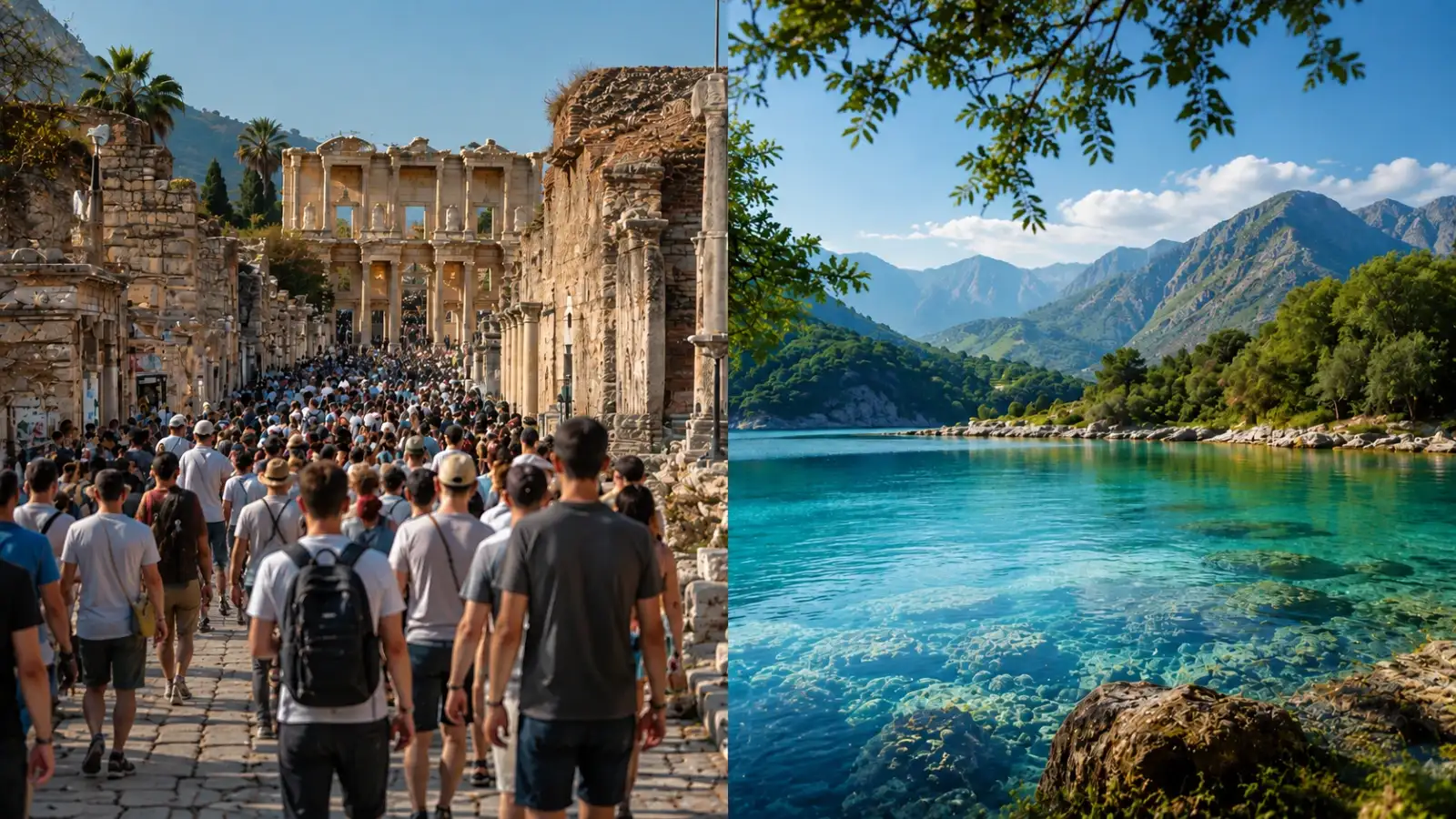
The environmental strain on fragile ecosystems and historical monuments
One of the most immediate consequences of overtourism is the physical damage inflicted on pristine natural environments and centuries-old historical sites. Delicate coral reefs are dying from chemical sunscreens and boat anchor strikes, scenic mountain trails suffer severe erosion under heavy foot traffic, and tranquil coastal towns are overwhelmed by plastic waste. Historic European cobblestone streets and centuries-old Asian temples were simply never designed to handle tens of thousands of daily visitors. As foot traffic continuously surges, famous landmarks experience rapid wear and tear. When natural and historical sites are treated like mass amusement parks, the natural beauty and historical integrity that drew people there in the first place slowly disappear.The human impact on local housing, cultures, and daily life
Beyond environmental degradation, overtourism deeply disrupts the everyday lives of local communities. In popular historic cities, residential housing is rapidly converted into lucrative short-term holiday lets. As property prices and rents skyrocket, local residents, essential workers, and small business owners are priced out of their own neighbourhoods. Traditional family-owned bakeries, cobblers, and vegetable markets are frequently replaced by generic souvenir shops, luxury boutiques, and fast-food chains tailored exclusively to short-term visitors. When entire living communities are transformed into artificial tourist backdrops, local culture becomes diluted, turning vibrant home towns into hollow, museum-like shells.The psychological shift from authentic connection to social media checklists
The rapid rise of visual social media platforms has fundamentally altered why and how people travel. Destinations are often chosen not for genuine cultural curiosity, but for capturing the perfect viral photograph to post online. This shift fuels massive rushes to identical, hyper-publicised locations at the exact same time. Travellers wait in long lines for hours just to take a quick photograph before rushing off to the next trending spot, missing out on authentic engagement. This shallow checklist approach degrades the overall travel experience for visitors while creating intense congestion for locals who share public spaces.New government restrictions and entry fee policies
To protect their heritage, local authorities around the world are taking firm regulatory action. World-famous destinations like Venice have introduced daily visitor entry fees to manage day-tripper crowds, while historic cities like Kyoto have restricted access to delicate private alleys to protect local privacy. Iconic beaches in South East Asia are routinely closed for months at a time to allow marine life and coral reefs to recover from severe environmental damage. Other destinations are banning giant cruise ships from docking near fragile historic centres. These emergency measures highlight the urgent need for systemic, sustainable tourism management.Choosing conscious travel to protect vulnerable destinations
Ultimately, answering whether tourists are ruining the places they love depends on how we choose to travel moving forward. Mass travel does not have to mean destructive travel. By visiting during off-peak seasons, exploring lesser-known hidden gems, choosing eco-friendly accommodation, supporting locally owned small businesses, and respecting local community boundaries, holidaymakers can minimize their footprint. Protecting the world's greatest treasures requires a conscious shift from fast consumption to mindful stewardship, ensuring these magnificent places endure for generations to come.Next Story