
Are You Overfeeding Your Fish? How Too Much Food Can Harm Their Health and Tank

Feeding your fish feels like a simple, caring act. You sprinkle food into the tank and watch them eagerly swim up to eat. It’s relaxing and joyful—but “what if that small act of kindness is quietly harming your fish?” What if the very food you give out of love is shortening their lives?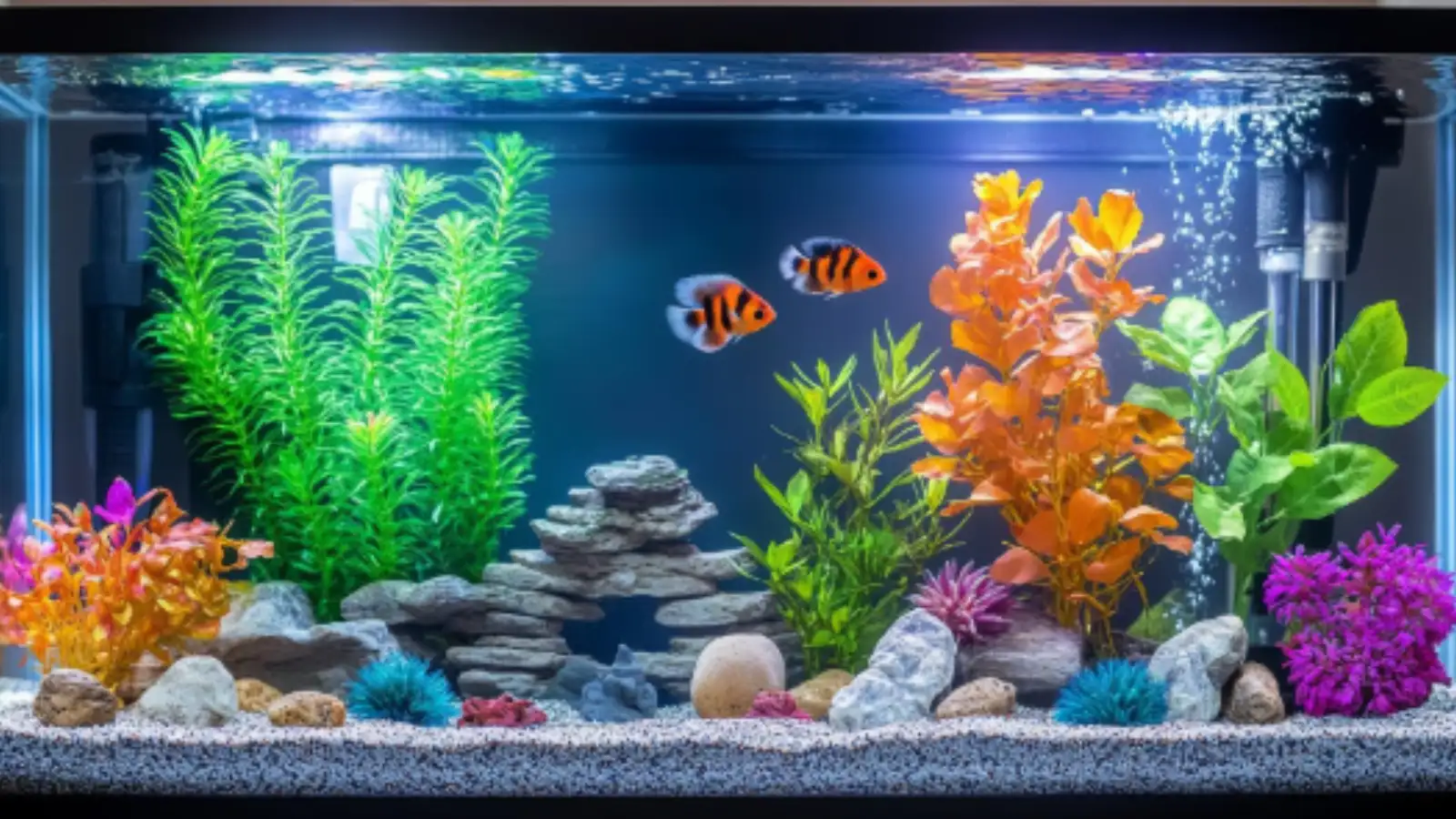
It may sound dramatic, but overfeeding is one of the most common mistakes aquarium owners make. This isn’t about occasionally giving a little extra; it’s about repeated habits that gradually damage both your fish and their environment. Overfeeding often goes unnoticed until the water turns murky, fish fall sick, or, worse, they die. More food doesn’t mean more care - when it comes to aquarium fish, less is usually better. Knowing how much, how often, and what to watch for can protect your fish and keep your tank healthy.
Why Overfeeding Fish Is Dangerous
In the wild, fish hunt and forage for food. Their feeding is irregular - some days they might not eat at all. In contrast, aquarium fish live in a controlled environment where food is delivered regularly. They don’t have to work for it, and their instincts push them to eat whenever food appears, whether they’re hungry or not.
The problem? Fish have tiny stomachs. Most only need a small portion once or twice a day. Overfeeding can cause bloating, constipation, or swim bladder problems, making fish float oddly, spin in circles, or sink uncontrollably. In severe cases, it may even damage organs or cause death.
Overfeeding doesn’t just harm the fish. Leftover food breaks down, releasing ammonia, which is toxic to the tank. This stresses all inhabitants, lowers oxygen levels, encourages harmful bacteria, and pollutes the water. Even fish that aren’t overfed suffer from this dirty environment.
Extra nutrients from leftover food also fuel algae growth. A tank that was once clear can become green and messy. Thick algae reduces light, lowers oxygen, and harms live plants.
All this can start with just a few extra flakes. Feeding should be intentional, not casual - your fish depend on you to manage their environment.
Signs You Might Be Overfeeding Without Realising It
Most owners overfeed without meaning to. Fish are excellent actors, swimming to the surface and wiggling excitedly at your approach. But “fish quickly learn that your presence means food, and they react out of routine, not hunger.”
Watch for these signs:
Monitoring these signs early helps prevent serious consequences.
Building a Smarter Feeding Routine
Correcting Overfeeding Mistakes
If you’ve been overfeeding, don’t panic.
Patience and observation are key - fish can recover with proper care.
Feeding your fish is one of the most important parts of being an aquarium owner, but it is also one of the easiest things to get wrong. The line between enough and too much is thin, and crossing it can harm both your fish and their home.
By recognising overfeeding signs, adjusting habits, and keeping the tank clean, you can ensure your fish live long, healthy lives. Fish don’t need excess food—they need balance, consistency, and a watchful owner. One mindful pinch at a time, you can make their home safe and thriving.
It may sound dramatic, but overfeeding is one of the most common mistakes aquarium owners make. This isn’t about occasionally giving a little extra; it’s about repeated habits that gradually damage both your fish and their environment. Overfeeding often goes unnoticed until the water turns murky, fish fall sick, or, worse, they die. More food doesn’t mean more care - when it comes to aquarium fish, less is usually better. Knowing how much, how often, and what to watch for can protect your fish and keep your tank healthy.
Why Overfeeding Fish Is Dangerous
In the wild, fish hunt and forage for food. Their feeding is irregular - some days they might not eat at all. In contrast, aquarium fish live in a controlled environment where food is delivered regularly. They don’t have to work for it, and their instincts push them to eat whenever food appears, whether they’re hungry or not.
The problem? Fish have tiny stomachs. Most only need a small portion once or twice a day. Overfeeding can cause bloating, constipation, or swim bladder problems, making fish float oddly, spin in circles, or sink uncontrollably. In severe cases, it may even damage organs or cause death.
Overfeeding doesn’t just harm the fish. Leftover food breaks down, releasing ammonia, which is toxic to the tank. This stresses all inhabitants, lowers oxygen levels, encourages harmful bacteria, and pollutes the water. Even fish that aren’t overfed suffer from this dirty environment.
Extra nutrients from leftover food also fuel algae growth. A tank that was once clear can become green and messy. Thick algae reduces light, lowers oxygen, and harms live plants.
All this can start with just a few extra flakes. Feeding should be intentional, not casual - your fish depend on you to manage their environment.
Signs You Might Be Overfeeding Without Realising It
Most owners overfeed without meaning to. Fish are excellent actors, swimming to the surface and wiggling excitedly at your approach. But “fish quickly learn that your presence means food, and they react out of routine, not hunger.”
Watch for these signs:
- Cloudy water: Dull or murky water often means leftover food and waste are decomposing, causing bacterial blooms.
- Algae growth: A surge in green or brown algae usually indicates excess nutrients from uneaten food.
- Behavioral changes: Slower swimming, bloating, trouble staying upright, or stringy waste may indicate digestive issues.
- Uneaten food: If flakes or pellets remain after a few minutes, you’re feeding too much. Fish should finish their food within two minutes.
- Equipment strain: Clogged filters or high ammonia/nitrite readings can reveal overfeeding problems.
Monitoring these signs early helps prevent serious consequences.
Building a Smarter Feeding Routine
- Know your fish’s needs: Herbivores, carnivores, and omnivores require different foods. Feeding the correct diet reduces health issues.
- Control portions: Feed only what fish can eat in two minutes. Remove leftover food and reduce portions if needed.
- Stick to a schedule: One or two feedings per day is enough for most fish. Occasional fasting days mimic natural patterns and reduce waste buildup.
- Use tools for consistency: Automatic feeders, measuring spoons, or feeding rings help avoid accidental overfeeding.
- Watch your fish: Immediate eating signals correct portions; leftovers indicate you’re giving too much.
- Maintain the tank: Regular water changes, gravel cleaning, and filter maintenance keep your tank healthy, even if minor overfeeding occurs.
Correcting Overfeeding Mistakes
If you’ve been overfeeding, don’t panic.
- Skip feeding for a day or two to give fish digestive rest.
- Clean the tank, remove uneaten food, and do a partial water change. Check filters and replace media if needed.
- Test water for ammonia, nitrite, and nitrate, performing small daily changes until levels stabilize.
- Resume feeding with smaller portions, watching fish reactions. Logging feeding patterns can help maintain consistency.
- Consider easily digestible foods or occasional blanched peas to relieve digestive issues.
Patience and observation are key - fish can recover with proper care.
Feeding your fish is one of the most important parts of being an aquarium owner, but it is also one of the easiest things to get wrong. The line between enough and too much is thin, and crossing it can harm both your fish and their home.
By recognising overfeeding signs, adjusting habits, and keeping the tank clean, you can ensure your fish live long, healthy lives. Fish don’t need excess food—they need balance, consistency, and a watchful owner. One mindful pinch at a time, you can make their home safe and thriving.
Next Story