
Aromatherapy for Children: Safe Oils, Risks and Expert Tips Every Parent Should Know

The soothing scent of essential oils has found a place in many households. From helping children sleep better to creating a calm atmosphere, aromatherapy is often seen as a natural way to support well-being. But when it comes to children, what feels gentle may not always be safe.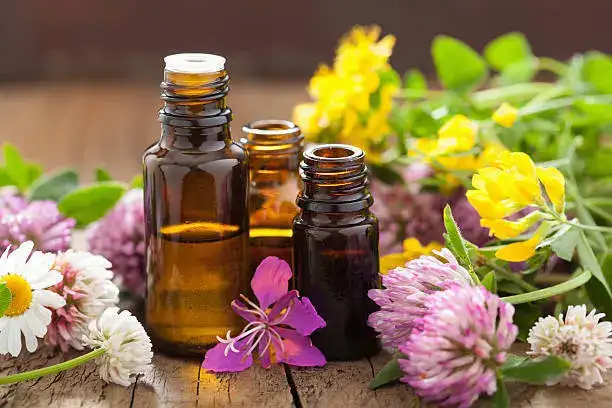
What Makes Essential Oils Different
Essential oils are concentrated extracts taken from plants. While they carry natural benefits, their strength can be surprising. For adults, they may feel mild and relaxing, but for children, especially younger ones, they can be much more intense. This makes careful use extremely important.
Is Aromatherapy Safe for Kids?
Experts suggest that aromatherapy can be introduced to children above the age of two, and even then, only in small amounts. For infants, it is best avoided unless guided by a professional. Children are more sensitive to strong scents, and their bodies react differently compared to adults.
Even these should always be used in diluted form and in moderation.
Oils Parents Should Avoid
Not all essential oils are suitable for young children. Strong oils can irritate the skin and affect breathing.
These are especially not recommended for children under six, as they may cause discomfort or respiratory issues.
The Importance of Dilution
One of the most important safety rules is never to use essential oils directly on a child’s skin. They must always be mixed with a carrier oil such as coconut or almond oil.
A simple guideline is one drop of essential oil for every tablespoon of carrier oil. This helps reduce the intensity and makes it safer for delicate skin.
Using Diffusers the Right Way
Diffusers are often seen as a safer option since they do not involve direct skin contact. They allow the fragrance to spread gently in the air.
To keep it safe:
This helps prevent the child from feeling overwhelmed.
Why Patch Testing Matters
Every child reacts differently. Before using any oil, a patch test can help identify sensitivity. Apply a small amount of diluted oil to a tiny area of skin and wait to see if any reaction occurs. This simple step can prevent irritation later.
Common Mistakes to Avoid
Even with natural products, mistakes can happen. Parents should be mindful of a few key things:
These precautions reduce the risk of accidents.
When Extra Care Is Needed
Children with asthma, allergies, or sensitive skin need special attention. Strong fragrances can trigger reactions or breathing issues. In such cases, it is best to consult a pediatrician before using aromatherapy.
Choosing the Right Quality
Not all essential oils are created equal. Pure, natural oils from trusted sources are always a better choice. Synthetic or low-quality oils may contain chemicals that can irritate the skin or reduce effectiveness.
A Balanced Approach for Parents
Aromatherapy can be a gentle and comforting addition to a child’s routine when used correctly. It can help create calm moments and support relaxation. But it is not something to use casually.
A little care goes a long way. With the right approach, parents can enjoy the benefits of aromatherapy while keeping their child safe, comfortable, and at ease.
Disclaimer: This article is for informational purposes only and should not be considered medical advice. Always consult a qualified pediatrician or healthcare professional before using essential oils or aromatherapy for children, especially if they have allergies, asthma, or sensitive skin. Use essential oils with caution and follow safety guidelines.
What Makes Essential Oils Different
Essential oils are concentrated extracts taken from plants. While they carry natural benefits, their strength can be surprising. For adults, they may feel mild and relaxing, but for children, especially younger ones, they can be much more intense. This makes careful use extremely important. Is Aromatherapy Safe for Kids?
Experts suggest that aromatherapy can be introduced to children above the age of two, and even then, only in small amounts. For infants, it is best avoided unless guided by a professional. Children are more sensitive to strong scents, and their bodies react differently compared to adults.Oils That Are Generally Considered Safer
Some essential oils are known for their gentle nature and are often preferred for children when used correctly.- Lavender helps create a calming environment
- Chamomile is linked with relaxation and better sleep
- Sandalwood is known for its soothing properties
Even these should always be used in diluted form and in moderation.
Oils Parents Should Avoid
Not all essential oils are suitable for young children. Strong oils can irritate the skin and affect breathing. - Peppermint
- Eucalyptus
- Rosemary
These are especially not recommended for children under six, as they may cause discomfort or respiratory issues.
The Importance of Dilution
One of the most important safety rules is never to use essential oils directly on a child’s skin. They must always be mixed with a carrier oil such as coconut or almond oil. A simple guideline is one drop of essential oil for every tablespoon of carrier oil. This helps reduce the intensity and makes it safer for delicate skin.
You may also like
- Beware! People born on these dates may cheat in love—could your partner be one of them?
- Petrol-Diesel Prices: Rates Released at 6 AM; Check Today's Prices in Your City
- Important News for Investors: No Trading in the Market on This Day Next Week; Here's the Reason
- Botox isn't enough anymore: New anti-ageing trend doctors swear by in 2026
- TA and Children's Education Allowance hikes expected; the 8th Pay Commission may take a big decision soon—details inside
Using Diffusers the Right Way
Diffusers are often seen as a safer option since they do not involve direct skin contact. They allow the fragrance to spread gently in the air. To keep it safe:
- Ensure the room is well ventilated
- Limit use to 30 to 60 minutes
- Avoid overly strong scents
This helps prevent the child from feeling overwhelmed.
Why Patch Testing Matters
Every child reacts differently. Before using any oil, a patch test can help identify sensitivity. Apply a small amount of diluted oil to a tiny area of skin and wait to see if any reaction occurs. This simple step can prevent irritation later. Common Mistakes to Avoid
Even with natural products, mistakes can happen. Parents should be mindful of a few key things: - Do not let oils come in contact with eyes, nose, or mouth
- Never allow children to ingest essential oils
- Do not let children handle oils on their own
- Always store oils out of reach
These precautions reduce the risk of accidents.
When Extra Care Is Needed
Children with asthma, allergies, or sensitive skin need special attention. Strong fragrances can trigger reactions or breathing issues. In such cases, it is best to consult a pediatrician before using aromatherapy. Choosing the Right Quality
Not all essential oils are created equal. Pure, natural oils from trusted sources are always a better choice. Synthetic or low-quality oils may contain chemicals that can irritate the skin or reduce effectiveness. A Balanced Approach for Parents
Aromatherapy can be a gentle and comforting addition to a child’s routine when used correctly. It can help create calm moments and support relaxation. But it is not something to use casually. A little care goes a long way. With the right approach, parents can enjoy the benefits of aromatherapy while keeping their child safe, comfortable, and at ease.
Disclaimer: This article is for informational purposes only and should not be considered medical advice. Always consult a qualified pediatrician or healthcare professional before using essential oils or aromatherapy for children, especially if they have allergies, asthma, or sensitive skin. Use essential oils with caution and follow safety guidelines.






More from our partners


Loving Newspoint? Download the app now
