
Ash Gourd Nutrition: What This Everyday Vegetable Can Add to Your Diet

Ash gourd is a large, pale-skinned vegetable with a mild flavour and a firm, watery flesh. It is used in different regional cuisines, particularly in curries, stews and traditional preparations. Its neutral taste makes it easy to combine with spices and other vegetables.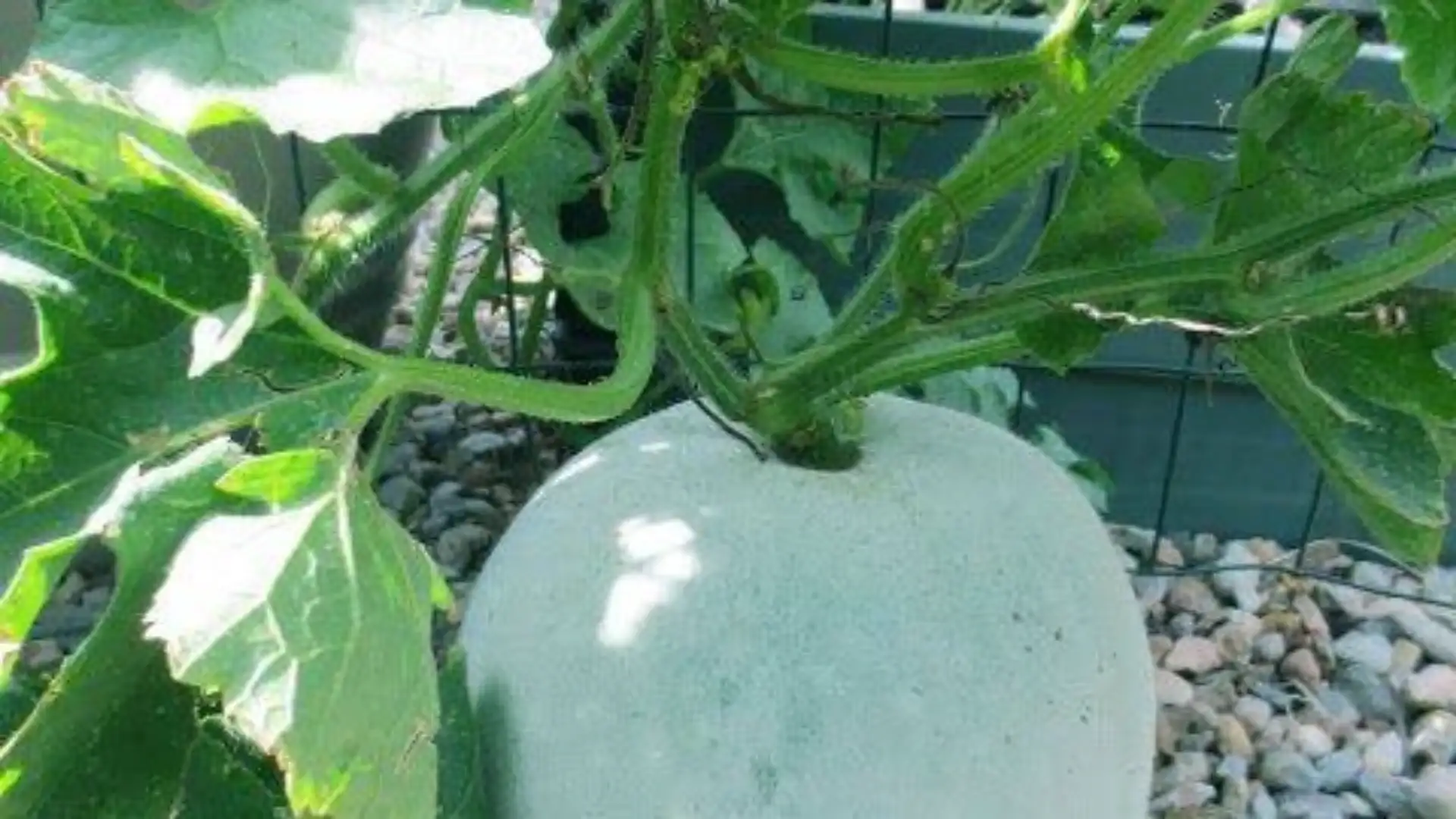
Although it does not have the strong flavour of some other produce, ash gourd can add volume and moisture to meals. Its nutritional profile also makes it a useful option for people who want more variety in their everyday vegetable choices.
It provides small amounts of vitamins and minerals, along with some dietary fibre. The exact amounts depend on the portion and preparation method. As with other vegetables, it is best included as part of a varied diet rather than treated as a source of every essential nutrient.
Its mild taste can also help people who find strongly flavoured vegetables difficult to enjoy. The vegetable absorbs seasonings well, allowing cooks to adapt it to different recipes.
Wash the vegetable before cutting. Remove the thick outer skin, slice it into manageable pieces and scoop out the seeds and soft central portion. The remaining flesh can be cut into cubes, strips or thin slices depending on the recipe.
If the vegetable is large, cut only the quantity required and refrigerate the remaining portion in a covered container. Use it within a few days, checking for any change in smell, texture or appearance.
It can also be added to lentil-based stews, where its mild flavour balances stronger seasonings. For soup, simmer the cubes with ginger and pepper before blending them into a smooth consistency.
In some cuisines, ash gourd is cooked with coconut, yoghurt or mild spices. These additions create different textures and flavours, although the quantity of oil, salt and rich ingredients can be adjusted to suit the meal.
Avoid overcooking it, as the flesh can become excessively soft and lose its shape. Adding it at the appropriate stage of cooking helps retain a pleasant texture. Its mild character is an advantage: it allows the seasoning and other ingredients to remain balanced without overwhelming the dish.
Although it does not have the strong flavour of some other produce, ash gourd can add volume and moisture to meals. Its nutritional profile also makes it a useful option for people who want more variety in their everyday vegetable choices.
What does ash gourd offer nutritionally?
Ash gourd has a high water content and is relatively low in calories. This makes it suitable for dishes that need volume without relying heavily on oil, cream or other rich ingredients.It provides small amounts of vitamins and minerals, along with some dietary fibre. The exact amounts depend on the portion and preparation method. As with other vegetables, it is best included as part of a varied diet rather than treated as a source of every essential nutrient.
Its mild taste can also help people who find strongly flavoured vegetables difficult to enjoy. The vegetable absorbs seasonings well, allowing cooks to adapt it to different recipes.
You may also like
- Chhath Puja 2026: What utensils are used to prepare the offerings for Chhath Puja? Learn why.
- Relatives said they wanted a boy after his daughter was born; a day later, Punjab carpenter Yudhvir Singh won Rs 1.5 crore in his first lottery attempt and named her 'Barkat'
- Can Sunlight Through Your Car Window Still Damage Your Skin?
- Does vacuuming actually remove dust and pollutants from your home? Explain the difference between HEPA-filtered and ordinary vacuum cleaners
- Why Does the Immune System Suddenly Attack Your Hair Follicles?
How to select and prepare it
Choose an ash gourd that feels firm and heavy for its size. The outer surface should be reasonably intact, without extensive soft patches or signs of decay.Wash the vegetable before cutting. Remove the thick outer skin, slice it into manageable pieces and scoop out the seeds and soft central portion. The remaining flesh can be cut into cubes, strips or thin slices depending on the recipe.
If the vegetable is large, cut only the quantity required and refrigerate the remaining portion in a covered container. Use it within a few days, checking for any change in smell, texture or appearance.
Simple ways to cook ash gourd
One easy option is an ash gourd curry with cumin, mustard seeds, curry leaves, turmeric and a little chilli. Cook the vegetable with a small amount of water until tender, then finish with fresh coriander.It can also be added to lentil-based stews, where its mild flavour balances stronger seasonings. For soup, simmer the cubes with ginger and pepper before blending them into a smooth consistency.
In some cuisines, ash gourd is cooked with coconut, yoghurt or mild spices. These additions create different textures and flavours, although the quantity of oil, salt and rich ingredients can be adjusted to suit the meal.
Making it a regular kitchen ingredient
Ash gourd works well because it can be adapted to several cooking styles. Pair it with pulses, whole grains and other vegetables to create a more balanced meal.Avoid overcooking it, as the flesh can become excessively soft and lose its shape. Adding it at the appropriate stage of cooking helps retain a pleasant texture. Its mild character is an advantage: it allows the seasoning and other ingredients to remain balanced without overwhelming the dish.






Loving Newspoint? Download the app now
