
Is Ashwagandha Safe? FSSAI’s Warning Raises Questions

Ashwagandha has quietly become one of the most popular wellness supplements in India. From stress relief to better sleep, it is often marketed as a natural solution for modern lifestyle problems. But a recent advisory from the Food Safety and Standards Authority of India has brought fresh attention to how safe these products actually are.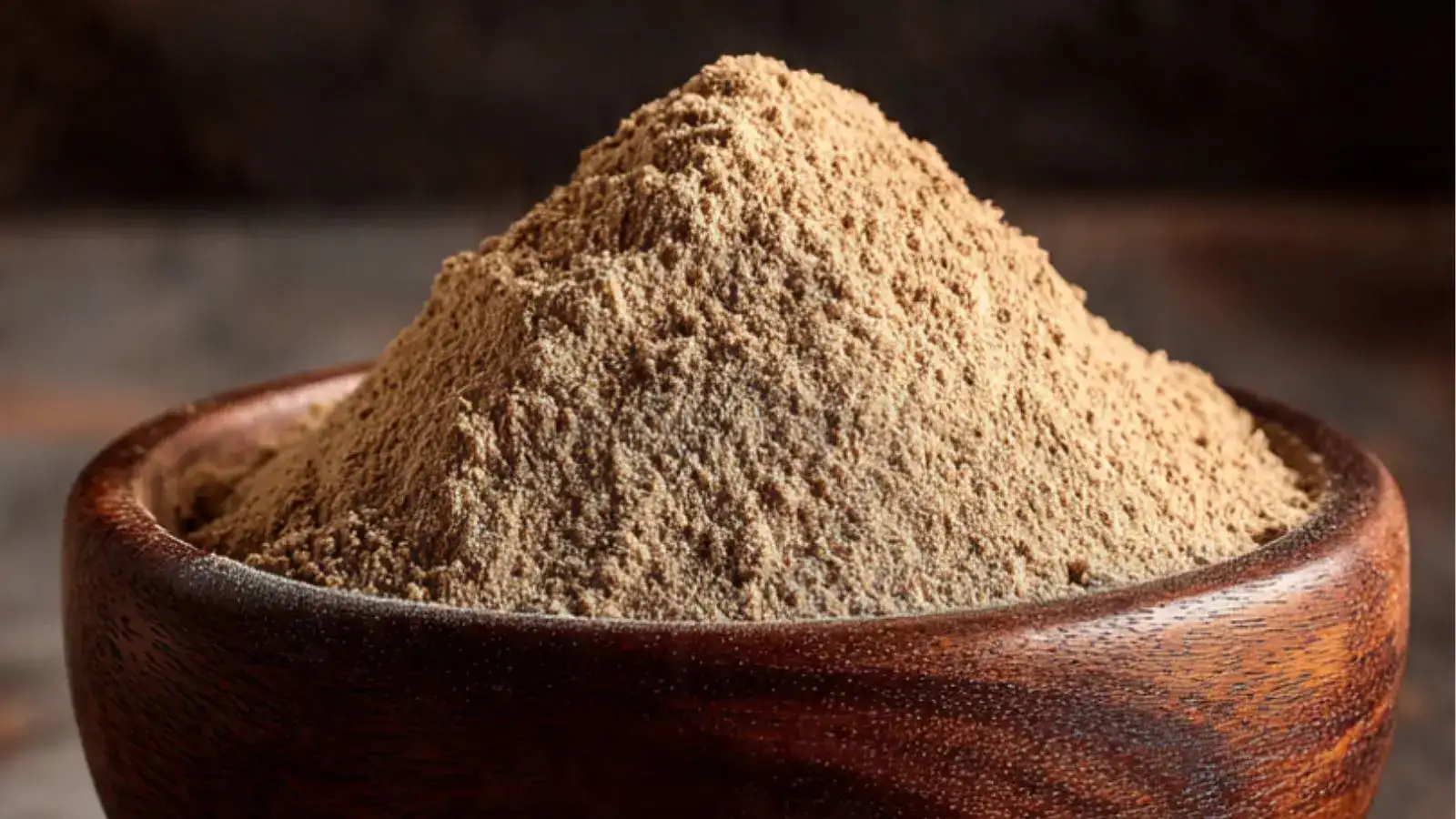
The concern is not about ashwagandha itself, but about how it is being used in supplements. According to the latest guidelines, only the root of the ashwagandha plant and its extracts are permitted in food products and nutraceuticals. The use of leaves, in any form, is not allowed.
This distinction matters more than it seems. Traditionally, ashwagandha roots have been used in Ayurveda and are considered relatively safe when consumed in recommended amounts. However, the leaves contain higher concentrations of certain compounds that may not be suitable for regular consumption.
Experts point out that these compounds, particularly certain withanolides, can cause irritation to the gut and may even pose risks like liver toxicity when consumed in higher concentrations.
The problem is that many consumers may not know what part of the plant they are actually consuming. In several products, labels simply mention “ashwagandha” without specifying whether it comes from the root or other parts of the plant. This lack of clarity has become a key concern for regulators.
The advisory is essentially a reminder for both manufacturers and consumers. For companies, it means stricter compliance and clearer labeling. For consumers, it highlights the need to be more cautious while choosing supplements, especially in a market that is rapidly expanding and often loosely regulated.
It is also important to understand that “natural” does not automatically mean safe. Like any active substance, herbal supplements can have side effects, interactions, and dosage limits. Ashwagandha is no exception. While it may help with stress and overall well-being, it is not risk-free, especially when consumed without proper guidance.
At the same time, this is not a blanket rejection of ashwagandha. The root-based formulations that follow regulatory standards are still widely accepted and used. The focus of the warning is specific and targeted, aimed at preventing misuse rather than discouraging use altogether.
This moment reflects a larger shift in how wellness products are being viewed. As supplements become more mainstream, there is increasing scrutiny on what goes into them and how they are marketed. Consumers are no longer just looking for benefits. They are also asking questions about safety, transparency, and long-term impact.
In simple terms, ashwagandha is not suddenly unsafe. But how it is used, processed, and labeled matters more than ever.
The takeaway is straightforward. Before adding any supplement to your routine, it is worth checking not just what it promises, but what it actually contains. Because in the world of wellness, details can make all the difference.
The concern is not about ashwagandha itself, but about how it is being used in supplements. According to the latest guidelines, only the root of the ashwagandha plant and its extracts are permitted in food products and nutraceuticals. The use of leaves, in any form, is not allowed.
This distinction matters more than it seems. Traditionally, ashwagandha roots have been used in Ayurveda and are considered relatively safe when consumed in recommended amounts. However, the leaves contain higher concentrations of certain compounds that may not be suitable for regular consumption.
Experts point out that these compounds, particularly certain withanolides, can cause irritation to the gut and may even pose risks like liver toxicity when consumed in higher concentrations.
The problem is that many consumers may not know what part of the plant they are actually consuming. In several products, labels simply mention “ashwagandha” without specifying whether it comes from the root or other parts of the plant. This lack of clarity has become a key concern for regulators.
The advisory is essentially a reminder for both manufacturers and consumers. For companies, it means stricter compliance and clearer labeling. For consumers, it highlights the need to be more cautious while choosing supplements, especially in a market that is rapidly expanding and often loosely regulated.
It is also important to understand that “natural” does not automatically mean safe. Like any active substance, herbal supplements can have side effects, interactions, and dosage limits. Ashwagandha is no exception. While it may help with stress and overall well-being, it is not risk-free, especially when consumed without proper guidance.
At the same time, this is not a blanket rejection of ashwagandha. The root-based formulations that follow regulatory standards are still widely accepted and used. The focus of the warning is specific and targeted, aimed at preventing misuse rather than discouraging use altogether.
This moment reflects a larger shift in how wellness products are being viewed. As supplements become more mainstream, there is increasing scrutiny on what goes into them and how they are marketed. Consumers are no longer just looking for benefits. They are also asking questions about safety, transparency, and long-term impact.
In simple terms, ashwagandha is not suddenly unsafe. But how it is used, processed, and labeled matters more than ever.
The takeaway is straightforward. Before adding any supplement to your routine, it is worth checking not just what it promises, but what it actually contains. Because in the world of wellness, details can make all the difference.
Next Story