
Assam Tea Estates: 10 Iconic Plantations That Define India’s Tea Legacy

The spotlight on Assam tea estates has grown stronger after Narendra Modi visited the famed Manohari Tea Estate . Known as the world’s largest tea-growing region, Assam is home to over 800 lush plantations that produce some of the finest teas globally. From heritage estates dating back to the 19th century to modern plantations crafting premium blends, Assam’s tea industry is a perfect mix of tradition, innovation, and rich flavour.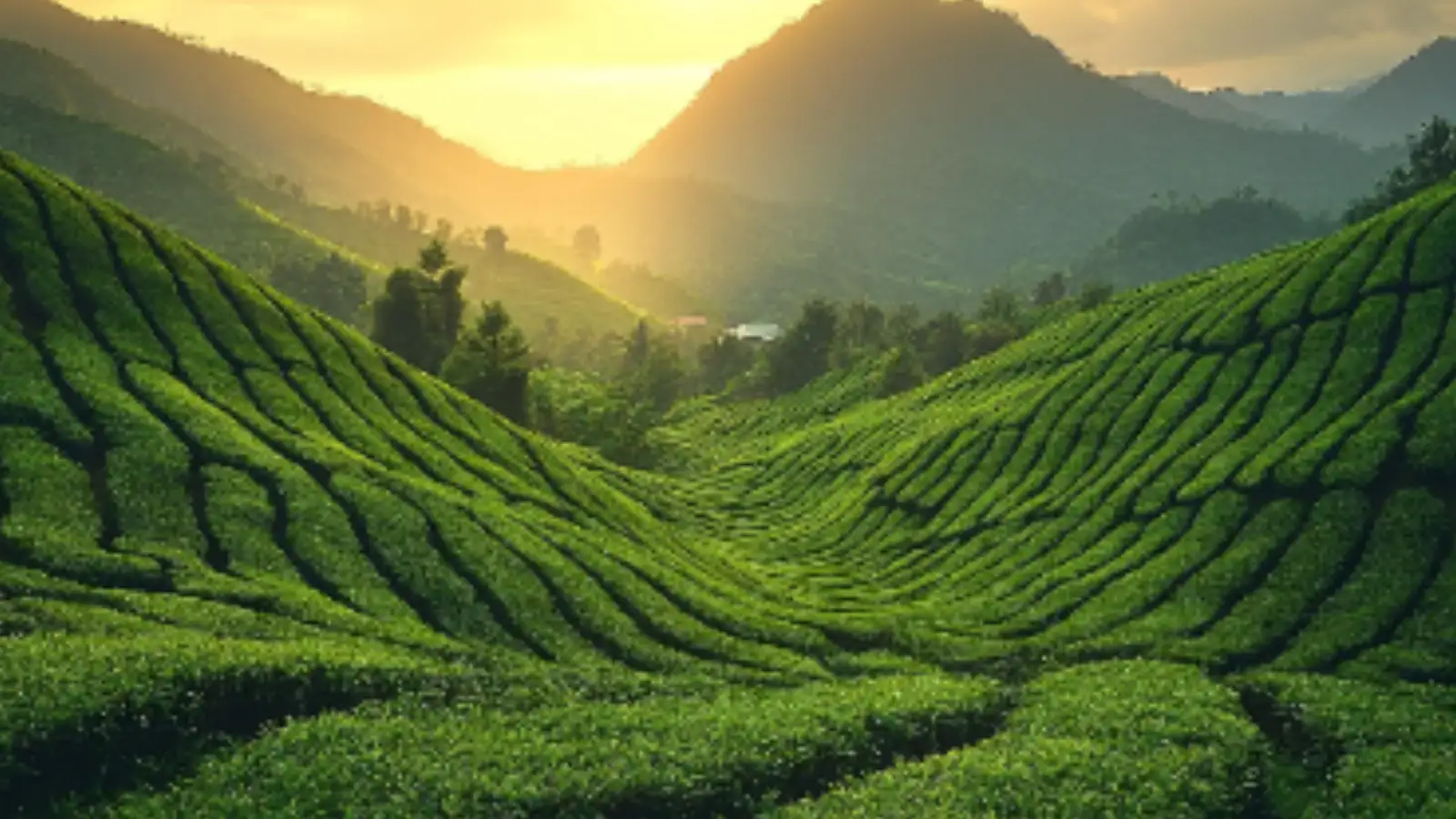
Here’s a closer look at some of the most iconic tea estates that continue to shape India’s tea culture.
1. Manohari Tea Estate: Home to One of the World’s Costliest Teas
Located in Dibrugarh, Manohari Tea Estate gained global recognition for producing the rare “Manohari Gold” tea.
This estate represents the modern, progressive face of Assam’s tea industry.
2. Monabari Tea Estate : Asia’s Largest Tea Garden
Situated in Biswanath, Monabari Tea Estate is renowned for its massive scale.
Although visitor access is limited, its sheer size and scenic beauty make it legendary.
3. Halmari Tea Estate: A Legacy of Premium Quality
Based in Moran, Halmari Tea Estate has been producing top-grade teas for over a century.
Its teas are widely served in luxury hotels and exported worldwide.
4. Mangalam Tea Estate: Known for Smooth and Balanced Flavours
Nestled in Sivasagar, Mangalam Tea Estate stands out for its refined taste profile.
Its well-organised plantations ensure consistent quality.
5. Corramore Tea Estate: A Historic Plantation with Scenic Beauty
Founded in the 1860s by Robert Logan, Corramore Tea Estate in Udalguri is rich in history.
The estate remains an important symbol of the region’s tea history.
6. Amchong Tea Estate: The Most Accessible Tea Garden Near Guwahati
Located close to Guwahati, Amchong Tea Estate is one of the easiest plantations to visit.
Its accessibility makes it popular among visitors and tea enthusiasts.
7. Sapoi Tea Estate: Where Tea Meets Eco-Tourism
Set in Sonitpur near the Brahmaputra River, Sapoi Tea Estate offers a unique experience.
This estate blends tea production with rural tourism beautifully.
Why Assam Tea Estates Are Globally Celebrated
A Timeless Journey Through Assam’s Tea Culture
From premium handcrafted blends to sprawling historic plantations, Assam tea estates offer more than just tea - they tell stories of tradition, craftsmanship, and evolution. Whether you’re a tea connoisseur or a traveller seeking serene landscapes, these iconic estates promise an unforgettable experience rooted in India’s rich tea heritage.
Here’s a closer look at some of the most iconic tea estates that continue to shape India’s tea culture.
1. Manohari Tea Estate: Home to One of the World’s Costliest Teas
Located in Dibrugarh, Manohari Tea Estate gained global recognition for producing the rare “Manohari Gold” tea.
- Known for its handcrafted process and limited production
- Highly valued for its health benefits and premium quality
- Focuses on worker welfare and sustainable practices
This estate represents the modern, progressive face of Assam’s tea industry.
2. Monabari Tea Estate : Asia’s Largest Tea Garden
Situated in Biswanath, Monabari Tea Estate is renowned for its massive scale.
- Spans over 1,300 hectares
- Managed by McLeod Russel India Limited
- Divided into multiple sections for efficient production
Although visitor access is limited, its sheer size and scenic beauty make it legendary.
3. Halmari Tea Estate: A Legacy of Premium Quality
Based in Moran, Halmari Tea Estate has been producing top-grade teas for over a century.
- Famous for both CTC and Orthodox teas
- Regularly achieves record-breaking prices at auctions
- Owned by the reputed Daga family
Its teas are widely served in luxury hotels and exported worldwide.
4. Mangalam Tea Estate: Known for Smooth and Balanced Flavours
Nestled in Sivasagar, Mangalam Tea Estate stands out for its refined taste profile.
- Produces high-quality Orthodox teas
- Strong presence in European markets, especially Germany
- Known for golden-tipped premium black teas
Its well-organised plantations ensure consistent quality.
5. Corramore Tea Estate: A Historic Plantation with Scenic Beauty
Founded in the 1860s by Robert Logan, Corramore Tea Estate in Udalguri is rich in history.
- Reflects Assam’s colonial tea heritage
- Surrounded by picturesque landscapes and hills
- Known for its legacy and traditional cultivation
The estate remains an important symbol of the region’s tea history.
6. Amchong Tea Estate: The Most Accessible Tea Garden Near Guwahati
Located close to Guwahati, Amchong Tea Estate is one of the easiest plantations to visit.
- Initially focused on CTC tea, now produces Orthodox varieties
- Strong demand in tea auctions
- Contributes to local infrastructure development
Its accessibility makes it popular among visitors and tea enthusiasts.
7. Sapoi Tea Estate: Where Tea Meets Eco-Tourism
Set in Sonitpur near the Brahmaputra River, Sapoi Tea Estate offers a unique experience.
- Stay in heritage-style bungalows
- Participate in tea plucking and estate tours
- Explore organic farming methods
This estate blends tea production with rural tourism beautifully.
Why Assam Tea Estates Are Globally Celebrated
- Rich flavour and bold colour that define Assam tea
- Ideal climate and soil for large-scale cultivation
- Heritage plantations dating back over a century
- Global demand in both domestic and international markets
A Timeless Journey Through Assam’s Tea Culture
From premium handcrafted blends to sprawling historic plantations, Assam tea estates offer more than just tea - they tell stories of tradition, craftsmanship, and evolution. Whether you’re a tea connoisseur or a traveller seeking serene landscapes, these iconic estates promise an unforgettable experience rooted in India’s rich tea heritage.
Next Story