
Australia's Famous Coastal Drive: What to See Along the Great Ocean Road

Australia's Great Ocean Road is a scenic touring route in the state of Victoria, known for its dramatic coastline, surf beaches, forest landscapes and limestone formations.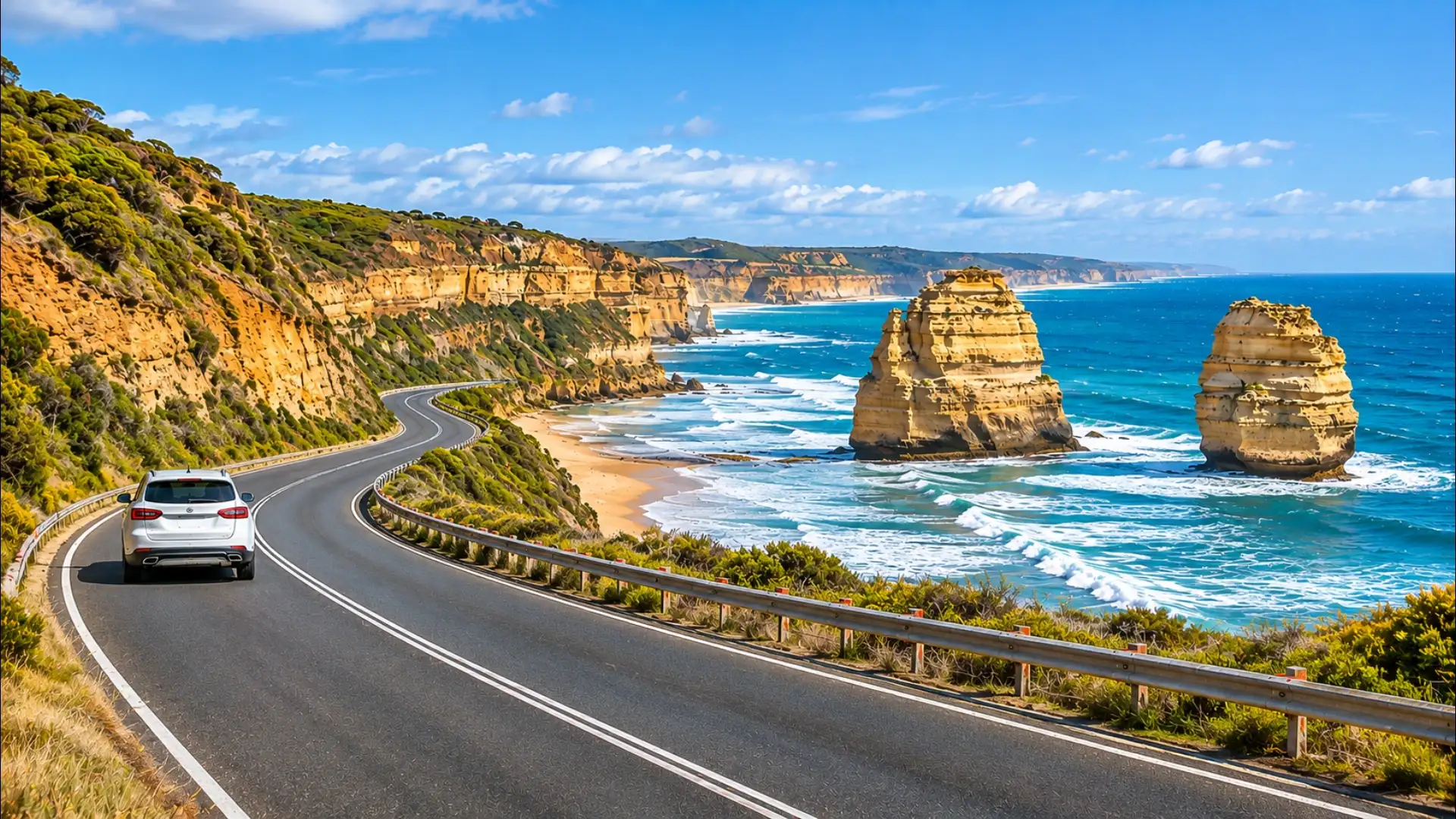
The journey is not limited to one major attraction. Small coastal towns, walking trails, historic sites and viewpoints make the drive appealing to travellers who enjoy exploring at a relaxed pace.
The official touring route begins at Torquay and continues westwards along the coast. Here are ten stops to consider when planning the journey.
Visitors interested in the history of surfing can explore the Australian National Surfing Museum. Nearby Bells Beach is another well-known coastal attraction.
It is a suitable stop for a short break, particularly for travellers who want to spend time outdoors rather than drive continuously.
The surrounding area offers scenic views and opportunities for photography. Visitors should follow marked paths and safety signs around the cliffs.
The town can also serve as a convenient overnight stop for travellers who do not want to complete the drive in a single day.
The waterfall is reached through a forested setting, and visitors can follow designated viewing paths. Check trail conditions before setting out, particularly after heavy rain.
Travellers can spend time along the waterfront, enjoy the coastal scenery or plan an overnight stay before continuing west.
The region's natural attractions include places such as Maits Rest and several forest trails. The Redwood Forest is another popular stop for visitors interested in unusual landscapes.
Its coastal location provides an opportunity to combine local history with dramatic sea views.
The viewing area provides a memorable perspective of the Southern Ocean and surrounding cliffs. Visitors should stay on marked platforms and follow access restrictions.
The area takes its name from the Loch Ard, a ship that was wrecked nearby in 1878. The surrounding viewpoints provide an opportunity to understand the area's maritime history as well as its natural landscape.
The Twelve Apostles visitor precinct has its own visitor information and operating details, which should be checked close to the travel date.
The journey is not limited to one major attraction. Small coastal towns, walking trails, historic sites and viewpoints make the drive appealing to travellers who enjoy exploring at a relaxed pace.
The official touring route begins at Torquay and continues westwards along the coast. Here are ten stops to consider when planning the journey.
1. Start at Torquay
Torquay is widely recognised as the starting point of the Great Ocean Road. The town is associated with Australia's surf culture and is a useful place to begin a road trip.Visitors interested in the history of surfing can explore the Australian National Surfing Museum. Nearby Bells Beach is another well-known coastal attraction.
2. Stop at Anglesea
Anglesea is a relaxed coastal town with beaches, walking areas and places to enjoy the ocean views.It is a suitable stop for a short break, particularly for travellers who want to spend time outdoors rather than drive continuously.
3. See the Split Point Lighthouse
Located near Aireys Inlet, Split Point Lighthouse stands on a coastal headland overlooking the Southern Ocean.The surrounding area offers scenic views and opportunities for photography. Visitors should follow marked paths and safety signs around the cliffs.
4. Spend time in Lorne
Lorne is one of the best-known towns along the route. It has a beach, cafés, walking areas and access to nearby natural attractions.The town can also serve as a convenient overnight stop for travellers who do not want to complete the drive in a single day.
5. Explore the waterfalls near Lorne
The area around Lorne provides access to several forest walks and waterfalls, including Erskine Falls.The waterfall is reached through a forested setting, and visitors can follow designated viewing paths. Check trail conditions before setting out, particularly after heavy rain.
6. Visit Apollo Bay
Apollo Bay is a coastal town known for its harbour, beach and relaxed atmosphere. It is also a useful base for exploring parts of the Great Otway National Park.Travellers can spend time along the waterfront, enjoy the coastal scenery or plan an overnight stay before continuing west.
7. Explore the Great Otway National Park
The Great Otway National Park offers a change from the open coastline, with forests, walking tracks and waterfalls.The region's natural attractions include places such as Maits Rest and several forest trails. The Redwood Forest is another popular stop for visitors interested in unusual landscapes.
8. Visit Cape Otway Lightstation
Cape Otway Lightstation is an important historic landmark along the route. The lighthouse was built in the 19th century and is recognised as the oldest surviving lighthouse on mainland Australia by the official Victoria tourism guide.Its coastal location provides an opportunity to combine local history with dramatic sea views.
9. Explore the Twelve Apostles
The Twelve Apostles are among the most recognisable natural landmarks along the Great Ocean Road. These limestone formations stand offshore along the coast and have been shaped by the action of wind and waves over long periods.The viewing area provides a memorable perspective of the Southern Ocean and surrounding cliffs. Visitors should stay on marked platforms and follow access restrictions.
10. Discover Loch Ard Gorge
Loch Ard Gorge is known for its steep limestone cliffs, coastal scenery and history of shipwrecks.The area takes its name from the Loch Ard, a ship that was wrecked nearby in 1878. The surrounding viewpoints provide an opportunity to understand the area's maritime history as well as its natural landscape.
Planning a road trip
A relaxed itinerary of two or three days allows time for beaches, forests and coastal viewpoints. Travellers should check road conditions, parking arrangements and attraction access before departure.The Twelve Apostles visitor precinct has its own visitor information and operating details, which should be checked close to the travel date.
Next Story