
Not Just Dieting: How Ayurvedic Breakfasts Can Balance Blood Sugar

Breakfast is often called the most important meal of the day, but for people trying to manage blood sugar, it can also be the most confusing. Many common “healthy” options end up causing sudden spikes and crashes. Ayurveda approaches this differently. Instead of focusing only on calories or nutrients, it looks at digestion, timing, and balance.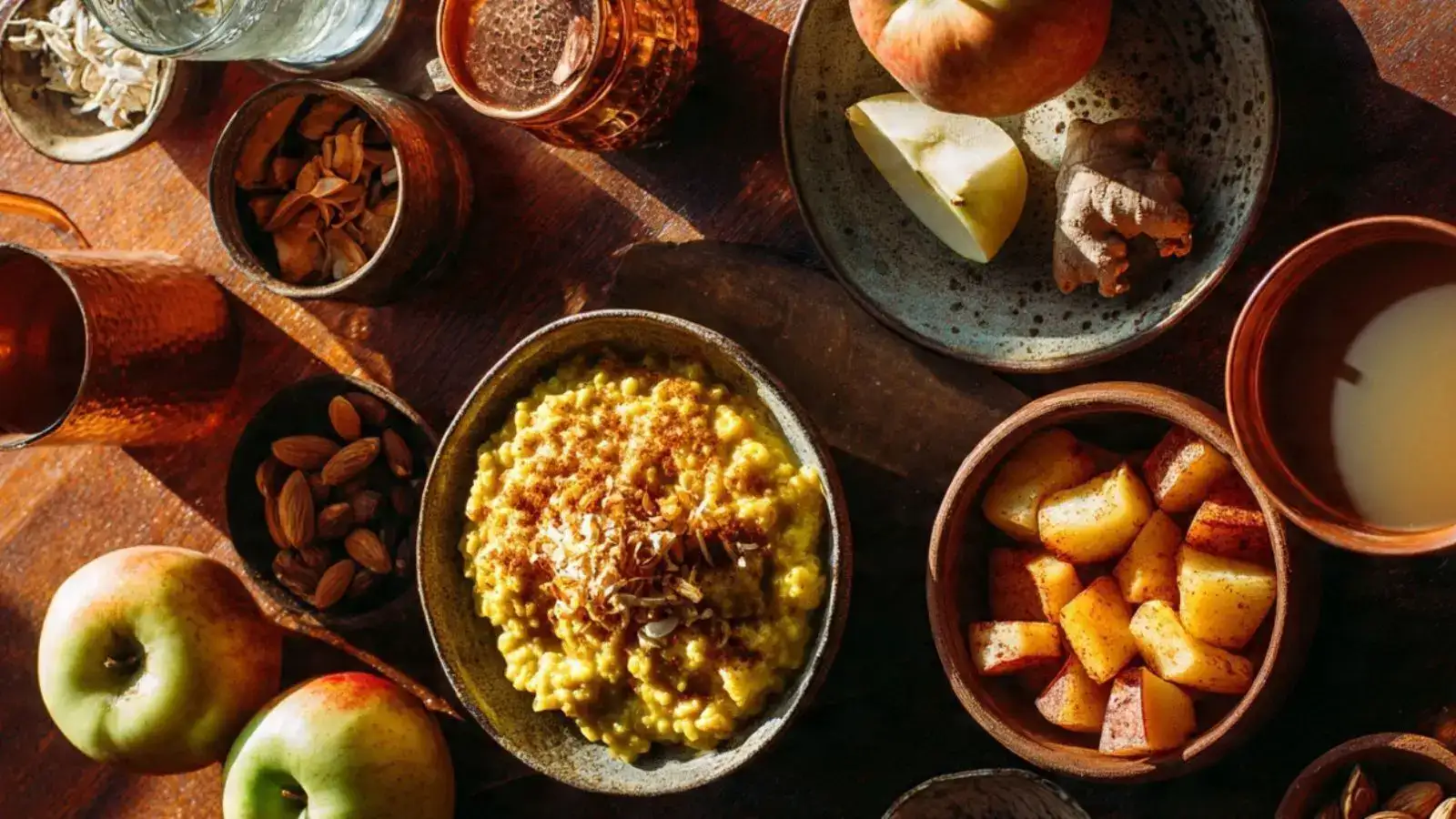
According to Ayurvedic principles, mornings are when the body’s digestive fire, or agni, is still building. This means heavy, oily, or overly rich meals can overwhelm the system early in the day. In summer, this becomes even more important, as the body naturally prefers lighter, cooling foods.
That is where simple, traditional breakfasts come in.
One of the most recommended options is barley-based dalia. Barley is known for being light and supportive of metabolism. When combined with vegetables and mild spices, it creates a meal that is filling without being heavy. It helps maintain steady energy rather than causing sharp sugar fluctuations.
Another option is jowar upma. Compared to refined grains, jowar is easier to digest and has a cooling effect on the body. Paired with vegetables, it becomes a balanced meal that supports blood sugar stability while being gentle on the gut.
For those who prefer something more comforting, millet-based khichdi works well. Using little millet with moong dal creates a simple, one-pot meal that is easy to digest and less likely to cause sudden glucose spikes. It is especially useful for people who want something filling but not too heavy.
Then there are options like ragi chilla. Ragi is naturally high in fibre, which slows down how quickly sugar enters the bloodstream. This makes it a practical choice for staying full longer and avoiding mid-morning crashes.
For days when appetite is low, especially in peak heat, even a light drink can work. A savoury barley sattu drink offers hydration along with steady energy, without putting stress on digestion.
What ties all these options together is simplicity. Freshly cooked, minimally processed, and easy-to-digest meals are at the core of this approach. The goal is not just to avoid sugar spikes, but to support overall metabolic balance.
This perspective also challenges a common habit. Many people start their day with foods that look healthy but are high in refined carbs or sugars. These can lead to quick energy followed by fatigue. Ayurveda instead focuses on slow, steady nourishment.
In simple terms, managing blood sugar is not just about cutting sugar. It is about how the body processes food from the start of the day.
A lighter, more balanced breakfast may not feel as indulgent, but it often works better in the long run. Especially in summer, when the body naturally demands less heaviness and more balance.
According to Ayurvedic principles, mornings are when the body’s digestive fire, or agni, is still building. This means heavy, oily, or overly rich meals can overwhelm the system early in the day. In summer, this becomes even more important, as the body naturally prefers lighter, cooling foods.
That is where simple, traditional breakfasts come in.
One of the most recommended options is barley-based dalia. Barley is known for being light and supportive of metabolism. When combined with vegetables and mild spices, it creates a meal that is filling without being heavy. It helps maintain steady energy rather than causing sharp sugar fluctuations.
Another option is jowar upma. Compared to refined grains, jowar is easier to digest and has a cooling effect on the body. Paired with vegetables, it becomes a balanced meal that supports blood sugar stability while being gentle on the gut.
For those who prefer something more comforting, millet-based khichdi works well. Using little millet with moong dal creates a simple, one-pot meal that is easy to digest and less likely to cause sudden glucose spikes. It is especially useful for people who want something filling but not too heavy.
Then there are options like ragi chilla. Ragi is naturally high in fibre, which slows down how quickly sugar enters the bloodstream. This makes it a practical choice for staying full longer and avoiding mid-morning crashes.
For days when appetite is low, especially in peak heat, even a light drink can work. A savoury barley sattu drink offers hydration along with steady energy, without putting stress on digestion.
What ties all these options together is simplicity. Freshly cooked, minimally processed, and easy-to-digest meals are at the core of this approach. The goal is not just to avoid sugar spikes, but to support overall metabolic balance.
This perspective also challenges a common habit. Many people start their day with foods that look healthy but are high in refined carbs or sugars. These can lead to quick energy followed by fatigue. Ayurveda instead focuses on slow, steady nourishment.
In simple terms, managing blood sugar is not just about cutting sugar. It is about how the body processes food from the start of the day.
A lighter, more balanced breakfast may not feel as indulgent, but it often works better in the long run. Especially in summer, when the body naturally demands less heaviness and more balance.
Next Story