
Ayurvedic Teas For Better Sleep And Joint Health: What To Know Before You Try Them

Ayurvedic tea has long been used in traditional Indian wellness practices, with different herbs chosen for purposes ranging from relaxation to digestive support. Some herbal preparations are also traditionally associated with maintaining joint comfort. Ingredients such as turmeric, ginger, cinnamon and ashwagandha are now commonly found in homemade and commercial herbal blends. However, traditional use should not be confused with proven medical treatment. According to experts, herbal teas may complement a healthy lifestyle, but their effects can vary from person to person. Anyone with a medical condition or taking regular medicines should seek appropriate professional advice before using concentrated herbal preparations.
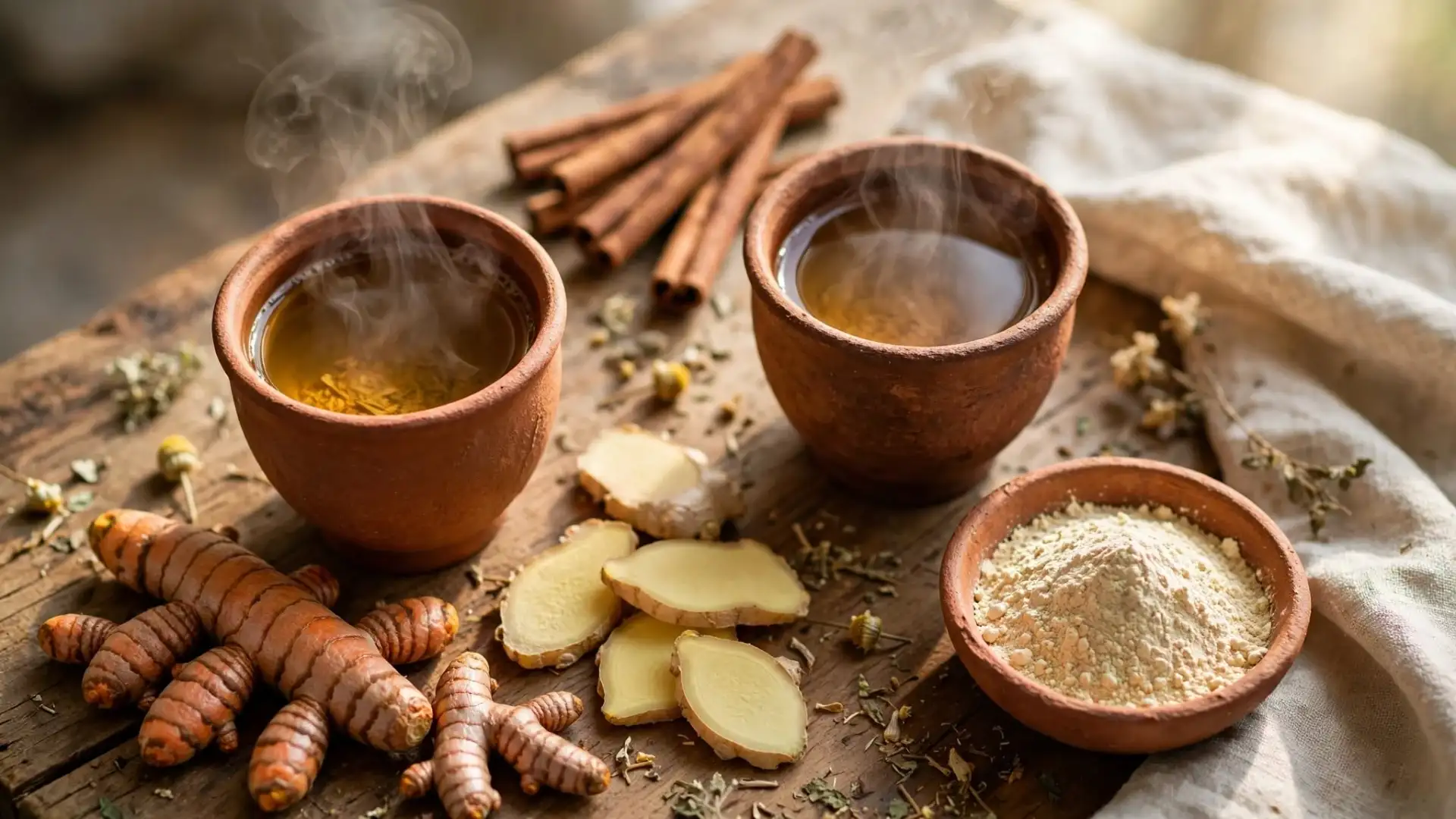
Ashwagandha For A Calmer Evening
Ashwagandha is an Ayurvedic herb traditionally used as a rejuvenating ingredient. It is often included in evening herbal drinks because of its traditional association with relaxation and stress management.Some research has investigated ashwagandha and sleep, with studies suggesting it may have potential benefits for certain aspects of sleep quality. However, evidence remains limited and more research is needed before it can be considered a treatment for sleep disorders.
For those exploring Ayurvedic herbs for sleep , it is better to view such tea as part of a broader bedtime routine rather than a guaranteed sleep solution.
Turmeric And Ginger For Joint Support
Turmeric is widely used in Indian cooking and traditional Ayurvedic practices. Its active compound, curcumin, has been studied for its anti-inflammatory properties.You may also like
- Effective Home Remedies for Dark Elbows and Knees
- Meet Surta Parmar: When a car carrying a couple and their 11-month-old baby plunged into a 10-foot-deep pond in Rajasthan, she jumped in, broke the window and pulled the child out before rescuing the parents
- How to Choose the Right Jeans for Your Body Type
- Why Children Prefer Household Items Over Toys
- Essential Safety Tips for Parents with Young Children at Home
Ginger is another traditional ingredient often used in herbal preparations. According to researchers, compounds found in ginger may also have anti-inflammatory effects.
A warm turmeric and ginger tea can therefore be a simple addition to a balanced diet, although turmeric tea should not be considered a substitute for treatment of arthritis or other joint conditions.
Cinnamon And Other Traditional Ingredients
Cinnamon is commonly combined with ginger, turmeric or other spices in Ayurvedic-style teas. Besides adding flavour, these ingredients have a long history of culinary and traditional use.However, more ingredients do not necessarily mean greater health benefits. Concentrated herbal products can also differ significantly from ordinary kitchen quantities.
Use Herbal Teas Sensibly
Herbal tea can be an enjoyable part of a healthy evening routine, particularly when it replaces caffeinated drinks before bedtime. Keeping the preparation simple and avoiding excessive sweeteners can make it easier to incorporate into everyday habits.If you are considering herbal tea for joint health or sleep because of persistent symptoms, speak to a healthcare professional rather than relying solely on home remedies. Ayurvedic teas may complement healthy habits, but they should not replace appropriate medical care.
Image Courtesy: Meta AI






Loving Newspoint? Download the app now
