
Ditch Diet Coke? Why Bael Sharbat Is Making a Comeback

For years, summer hydration in urban India has been dominated by packaged drinks. From sodas to “zero sugar” options like Diet Coke, the idea of refreshment has slowly shifted toward convenience over tradition. But that trend is now being questioned, and one drink is quietly making a comeback: bael sharbat.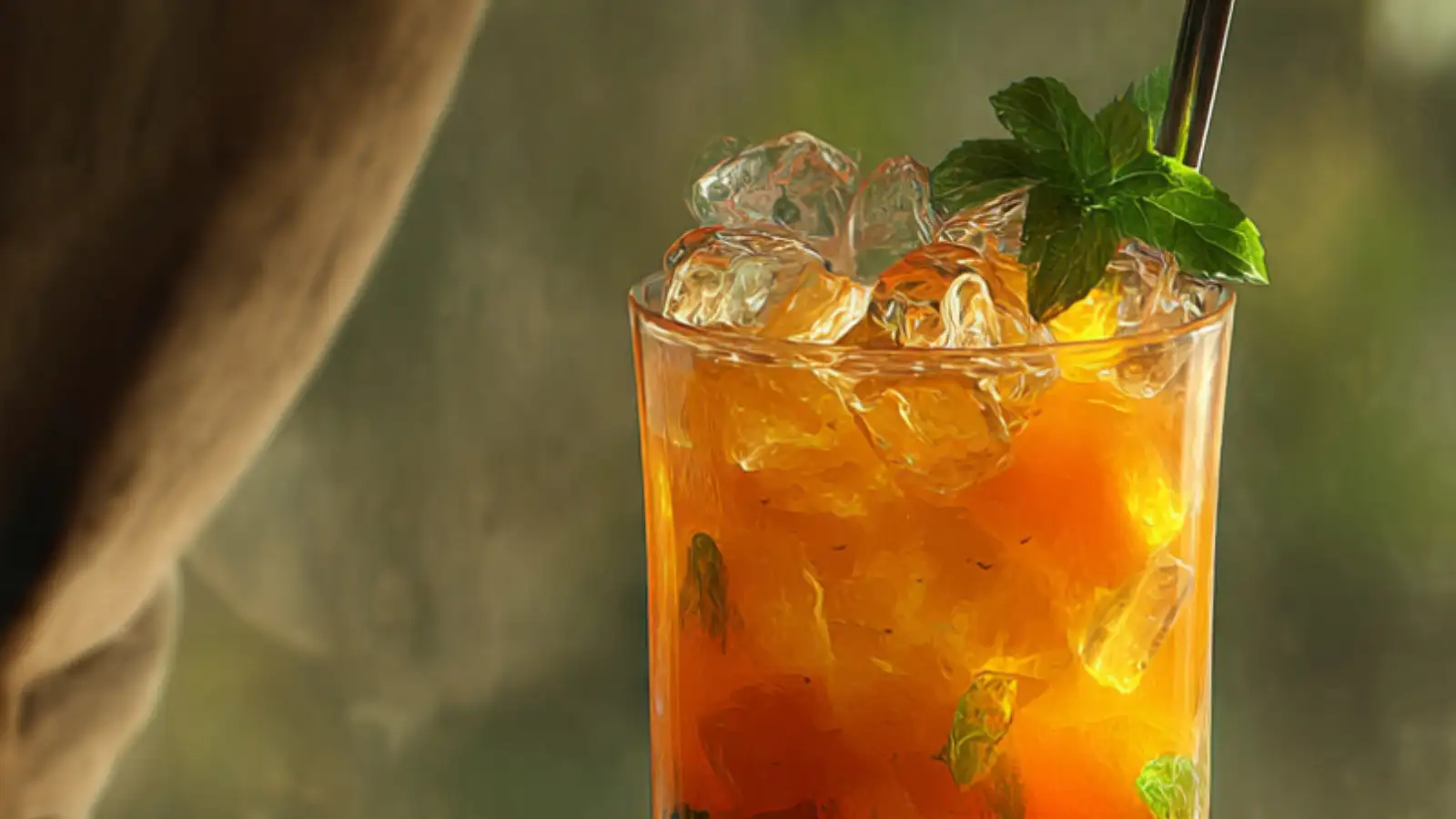
Made from the pulp of the bael fruit, also known as wood apple, this traditional drink has been part of Indian households for generations. It may not have the branding or the aesthetic appeal of modern beverages, but it offers something far more relevant in peak summer: actual relief.
Bael sharbat is known for its natural cooling properties. Unlike carbonated drinks that often leave you feeling more dehydrated, bael works as an internal coolant. It helps regulate body temperature and is especially useful during heatwaves.
But its benefits go beyond just cooling. The drink is widely associated with digestive health. It can help with issues like bloating, acidity, and constipation, which tend to increase during summer months. This is one reason why it has remained a staple in traditional diets, even if it temporarily lost visibility in urban consumption patterns.
There is also a broader shift happening in how people think about food and drinks. Increasingly, consumers are questioning highly processed options and looking for alternatives that are local, seasonal, and functional. Bael sharbat fits perfectly into this space. It is not just a drink, but part of a larger system of traditional knowledge that prioritises balance and practicality.
What makes this comparison with Diet Coke interesting is not just health, but perception. Diet Coke is often marketed as a “guilt-free” option because it has no sugar. But that does not necessarily make it beneficial. Bael sharbat, on the other hand, may contain natural sugars, but it also provides fiber, nutrients, and hydration in a more balanced way.
This is not about completely rejecting modern beverages. It is about understanding what works better in specific contexts. In extreme heat, the body does not just need something cold. It needs something that can replenish, cool, and support basic functions like digestion. Traditional drinks like bael sharbat were designed with exactly that purpose in mind.
There is also a cultural angle to this shift. As more people rediscover regional ingredients, drinks like bael sharbat are being seen not as outdated, but as underrated. They represent a form of everyday wisdom that existed long before wellness became a trend.
In simple terms, the rise of bael sharbat is less about nostalgia and more about relevance. It answers a need that modern beverages often overlook.
The real takeaway is not that one drink is good and the other is bad. It is that not all refreshment is equal. And sometimes, the most effective solutions are the ones that have been around the longest.
Made from the pulp of the bael fruit, also known as wood apple, this traditional drink has been part of Indian households for generations. It may not have the branding or the aesthetic appeal of modern beverages, but it offers something far more relevant in peak summer: actual relief.
Bael sharbat is known for its natural cooling properties. Unlike carbonated drinks that often leave you feeling more dehydrated, bael works as an internal coolant. It helps regulate body temperature and is especially useful during heatwaves.
But its benefits go beyond just cooling. The drink is widely associated with digestive health. It can help with issues like bloating, acidity, and constipation, which tend to increase during summer months. This is one reason why it has remained a staple in traditional diets, even if it temporarily lost visibility in urban consumption patterns.
There is also a broader shift happening in how people think about food and drinks. Increasingly, consumers are questioning highly processed options and looking for alternatives that are local, seasonal, and functional. Bael sharbat fits perfectly into this space. It is not just a drink, but part of a larger system of traditional knowledge that prioritises balance and practicality.
You may also like
- 'Cutest thing ever': The viral 'Twin Telepathy Challenge' is winning hearts on the internet
- Enhancing Sexual Stamina: Effective Strategies for Improvement
- 5 Books That Reveal Lord Rama's Life Like Never Before
- The Medicinal Marvel of the Ak Plant: Benefits and Precautions
- This south Indian state has an alien temple, and here's why you need to add this to your quirky bucket list
What makes this comparison with Diet Coke interesting is not just health, but perception. Diet Coke is often marketed as a “guilt-free” option because it has no sugar. But that does not necessarily make it beneficial. Bael sharbat, on the other hand, may contain natural sugars, but it also provides fiber, nutrients, and hydration in a more balanced way.
This is not about completely rejecting modern beverages. It is about understanding what works better in specific contexts. In extreme heat, the body does not just need something cold. It needs something that can replenish, cool, and support basic functions like digestion. Traditional drinks like bael sharbat were designed with exactly that purpose in mind.
There is also a cultural angle to this shift. As more people rediscover regional ingredients, drinks like bael sharbat are being seen not as outdated, but as underrated. They represent a form of everyday wisdom that existed long before wellness became a trend.
In simple terms, the rise of bael sharbat is less about nostalgia and more about relevance. It answers a need that modern beverages often overlook.
The real takeaway is not that one drink is good and the other is bad. It is that not all refreshment is equal. And sometimes, the most effective solutions are the ones that have been around the longest.






More from our partners


Loving Newspoint? Download the app now
