
Baking Soda Vs Baking Powder: Know The Difference And When To Use Them

Baking soda and baking powder are two common ingredients used to make cakes, muffins and other baked treats soft and fluffy. Although both help baked goods rise, they are not the same. Using the wrong one can affect the taste, texture and height of your cake. Understanding how each works can help you get better baking results.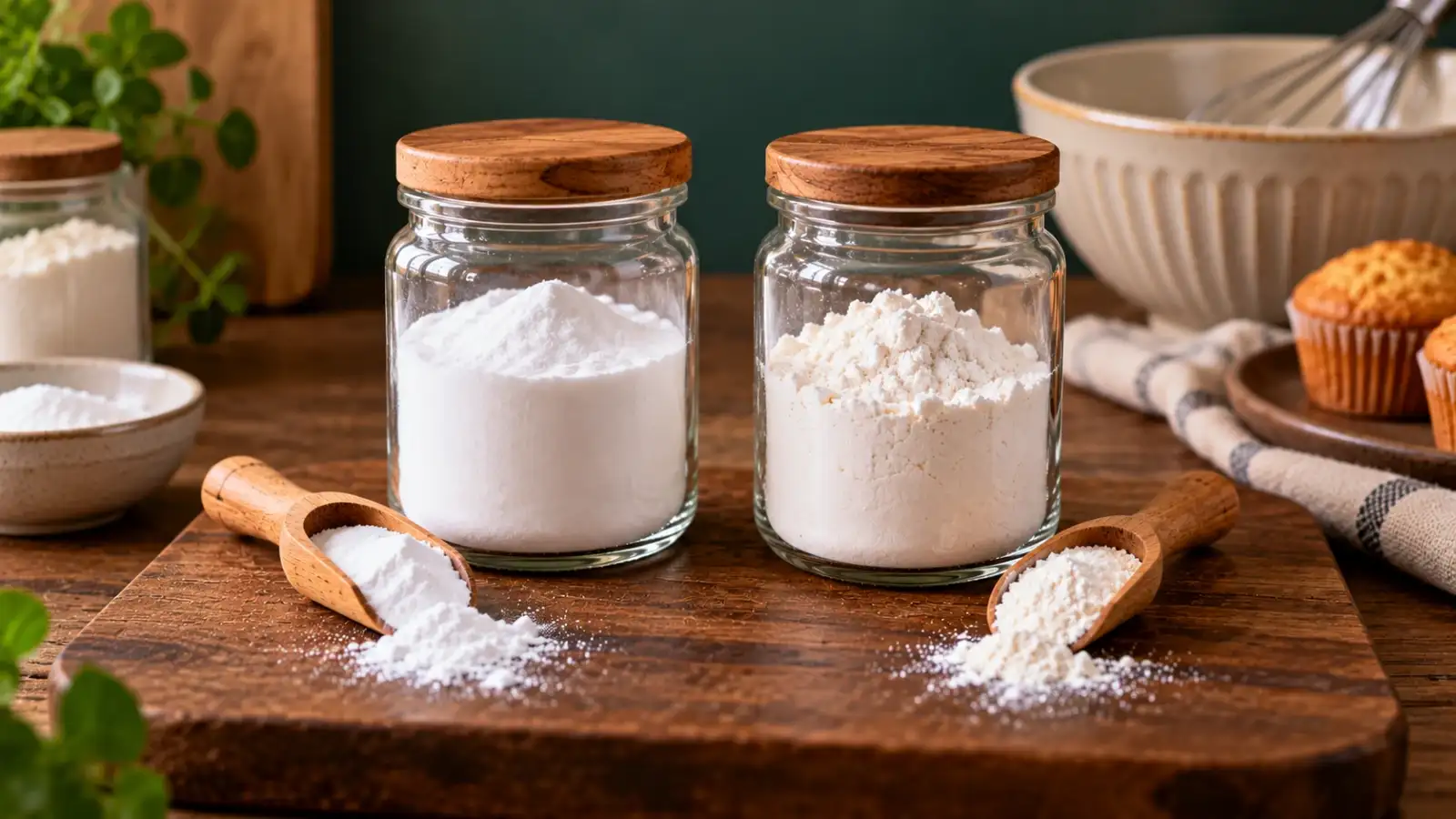
It needs an acidic ingredient and moisture to produce carbon dioxide gas. The gas creates bubbles in the batter, helping it expand as it bakes.
Common acidic ingredients that work with baking soda include:
Using too much can leave a bitter or soapy taste. It can also affect the colour and texture of the finished bake.
Unlike baking soda, it already contains the acid needed for the reaction. This makes it suitable for recipes that do not have enough acidic ingredients to activate baking soda on its own.
When baking powder comes into contact with moisture and, depending on the type, heat, it releases carbon dioxide gas. These bubbles help the batter rise and create a lighter texture.
1. Single-Acting Baking Powder
This type starts reacting when it is mixed with moisture. The batter should usually be baked soon after mixing.
2. Double-Acting Baking Powder
This type reacts in two stages. It releases some gas when mixed with liquid and produces more gas when heated in the oven. This gives the batter additional lift during baking.
Most baking powders sold for everyday home baking are double-acting, but checking the product label is useful.
Baking soda is generally considered around three to four times stronger than baking powder for leavening purposes. A commonly used rough conversion is:
For the best results, follow the ingredient and quantity specified in the recipe.
Too much baking soda can leave a bitter or soapy taste. Excess baking powder may produce an unpleasant metallic aftertaste. Using the wrong quantity can also affect the cake's texture and cause it to rise unevenly or collapse.
The right balance is important because baking ingredients work together as part of a recipe.
Disclaimer: This article is for information purposes only. Baking results may vary depending on ingredients and recipes. NewsPoint does not verify or claim the accuracy of the information.
What Is Baking Soda?
Baking soda is pure sodium bicarbonate, a chemical compound that helps baked goods rise when combined with an acid.It needs an acidic ingredient and moisture to produce carbon dioxide gas. The gas creates bubbles in the batter, helping it expand as it bakes.
Common acidic ingredients that work with baking soda include:
- Dahi
- Buttermilk
- Lemon juice
- Brown sugar
When Should You Use Baking Soda?
Baking soda is useful in recipes that already contain acidic ingredients. It is commonly used in cakes, cookies and other bakes where ingredients such as yoghurt, buttermilk or lemon juice are part of the recipe.Using too much can leave a bitter or soapy taste. It can also affect the colour and texture of the finished bake.
What Is Baking Powder?
Baking powder is a ready-made raising agent that contains baking soda, an acid and a stabilising ingredient such as cornstarch.Unlike baking soda, it already contains the acid needed for the reaction. This makes it suitable for recipes that do not have enough acidic ingredients to activate baking soda on its own.
When baking powder comes into contact with moisture and, depending on the type, heat, it releases carbon dioxide gas. These bubbles help the batter rise and create a lighter texture.
Types Of Baking Powder
Baking powder is generally available in two types:1. Single-Acting Baking Powder
This type starts reacting when it is mixed with moisture. The batter should usually be baked soon after mixing.
2. Double-Acting Baking Powder
You may also like
- Do not make these 5 mistakes—even inadvertently—on the day of Santan Saptami; otherwise, the fruits of the worship could go to waste..
- Assam's Iron Lady scripts history as the first woman to lead CRPF's elite CoBRA unit: Meet Sanjukta Parashar, the IPS officer known for her fearless field career
- Pitru Paksha Mahasangam: A Spiritual Journey in Gaya-ji
- Significance of Lighting a Lamp Near the Sacred Tulsi Plant
- Understanding Pitru Paksha: Dates and Rituals for 2026
This type reacts in two stages. It releases some gas when mixed with liquid and produces more gas when heated in the oven. This gives the batter additional lift during baking.
Most baking powders sold for everyday home baking are double-acting, but checking the product label is useful.
Can You Substitute Baking Soda For Baking Powder?
Yes, but the two cannot always be swapped in equal quantities. Their strength and chemical composition are different.Baking soda is generally considered around three to four times stronger than baking powder for leavening purposes. A commonly used rough conversion is:
- 1 teaspoon baking soda = around 3 teaspoons baking powder
For the best results, follow the ingredient and quantity specified in the recipe.
What Happens If You Use Too Much?
Adding more raising agent does not necessarily make a cake rise better.Too much baking soda can leave a bitter or soapy taste. Excess baking powder may produce an unpleasant metallic aftertaste. Using the wrong quantity can also affect the cake's texture and cause it to rise unevenly or collapse.
The right balance is important because baking ingredients work together as part of a recipe.
Disclaimer: This article is for information purposes only. Baking results may vary depending on ingredients and recipes. NewsPoint does not verify or claim the accuracy of the information.






Loving Newspoint? Download the app now
