
Balanced Diet for Hair Health: How What You Eat Influences Hair Growth from Root to Tip

A balanced diet for hair health can do far more for your hair than expensive serums and treatments. While many people invest in costly products hoping for thicker and shinier strands, the real foundation of healthy hair lies in the nutrients you consume every day. The condition of your hair is often a reflection of your overall nutritional health.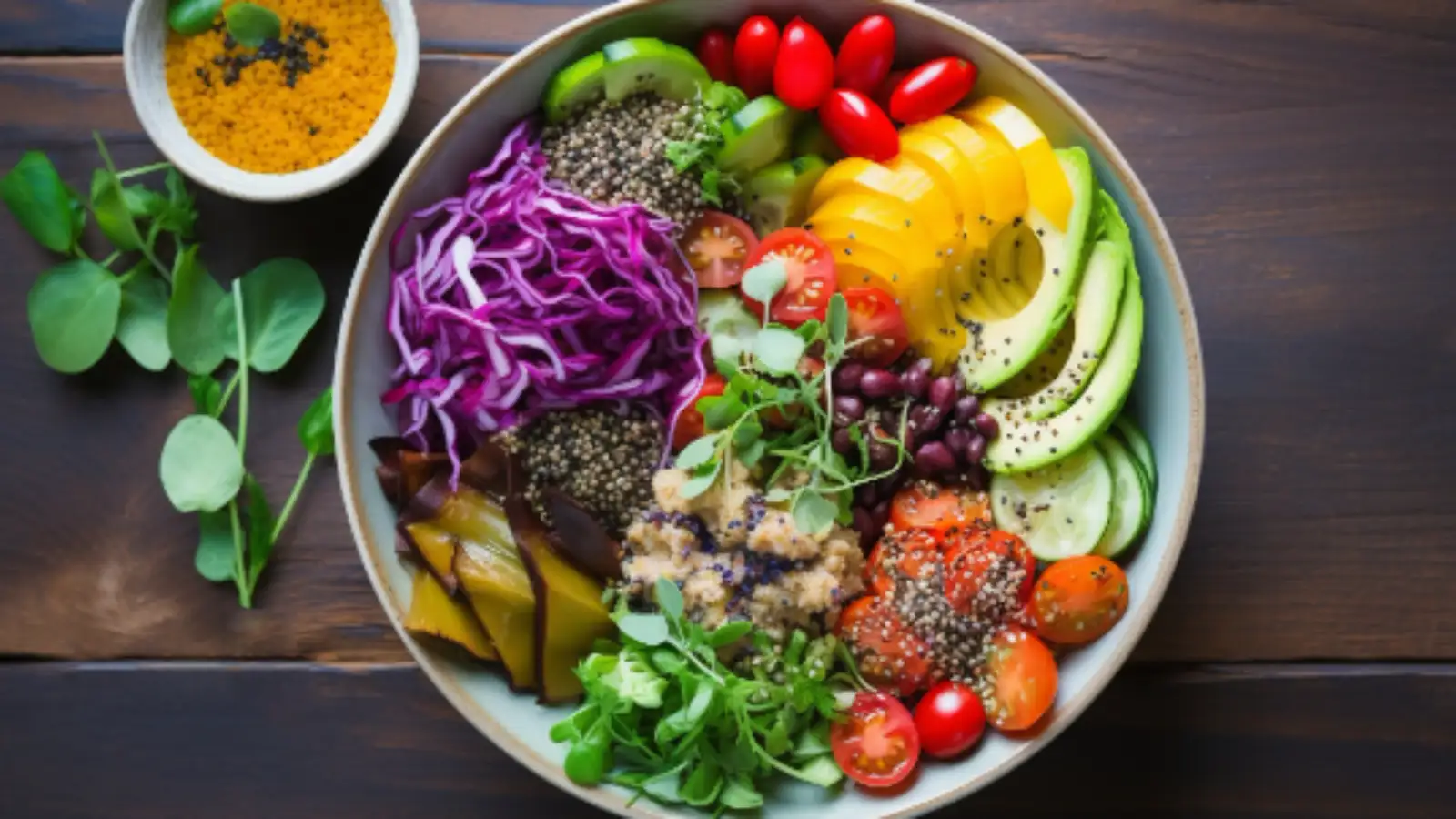
Hair follicles contain some of the fastest-growing cells in the body and require a steady supply of nutrients to function properly. However, when the body experiences nutritional deficiencies, it prioritises essential organs like the heart and lungs over hair growth. As a result, hair is often the first area where signs of poor nutrition begin to appear.
Why Your Diet Matters for Hair Growth
Hair growth depends heavily on the nutrients delivered through the bloodstream. When your diet contains the right balance of proteins, vitamins, minerals and healthy fats, hair follicles remain active and productive. But if the body lacks essential nutrients, it may slow down hair production and shift follicles into the resting phase earlier than usual.
This can result in increased hair shedding, weaker strands and slower growth. In many cases, brittle or thinning hair is simply the body signalling that it is not receiving adequate nourishment.
Protein and Healthy Fats: The Foundation of Strong Hair
Protein – The Core Building Block
Protein plays a central role in maintaining healthy hair because hair strands are primarily made of keratin, a structural protein. If your diet does not provide enough protein, the body may limit hair growth to conserve nutrients for more critical functions.
Over time, low protein intake can cause hair to become fragile and increase the likelihood of hair loss. Including sufficient protein in daily meals supports the production of strong, resilient strands.
Good sources of protein include eggs, fish, lean meat, lentils, tofu and Greek yoghurt.
Omega-3 Fatty Acids for Scalp Health
Healthy fats are equally important for maintaining a nourished scalp. Omega-3 fatty acids help support the natural oil production of the scalp, which keeps hair moisturised and improves its texture and shine.
Foods such as fatty fish, walnuts, flaxseeds and chia seeds provide these essential fats and contribute to overall scalp health.
Essential Vitamins and Minerals for Healthy Hair
Iron – Supporting Oxygen Supply to Hair Follicles
Iron is one of the most important minerals for hair growth. It helps the body produce haemoglobin, which carries oxygen to hair follicles. When iron levels are low, the roots receive less oxygen and nutrients, which can contribute to hair loss.
Common iron-rich foods include spinach, lentils, beans and red meat. Pairing plant-based iron sources with vitamin C-rich foods can significantly improve absorption.
Zinc – Helping Repair Hair Tissue
Zinc supports the repair and maintenance of hair tissue and also helps regulate the oil glands around hair follicles. When the body lacks zinc, hair may become weaker and shedding may increase.
Pumpkin seeds, nuts, legumes and whole grains are good dietary sources of this important mineral.
B Vitamins – Supporting Hair Structure
B vitamins play an essential role in maintaining healthy hair growth. Biotin, also known as vitamin B7, helps produce keratin, the key protein that forms hair strands. Vitamin B12 contributes to the formation of red blood cells, which transport oxygen and nutrients to the scalp.
Together, these vitamins help ensure that hair follicles receive the nourishment required for steady growth.
Vitamin C – Protecting Hair from Damage
Vitamin C acts as a powerful antioxidant that protects hair follicles from damage caused by oxidative stress. It also supports collagen production, which strengthens the structure of hair and reduces breakage.
Citrus fruits, berries, tomatoes and bell peppers are among the best natural sources of vitamin C.
Vitamin D – Supporting New Hair Follicle Formation
Vitamin D is believed to play a role in stimulating the development of new hair follicles. Low levels of this nutrient may contribute to thinning hair and reduced growth.
Exposure to sunlight and foods such as fortified dairy products, eggs and mushrooms can help maintain adequate vitamin D levels.
Whole Foods vs Supplements: What Works Better?
While many supplements promise quick hair growth, relying solely on pills may not always deliver the expected results. Excessive intake of certain nutrients - such as vitamin A or selenium—can actually lead to hair loss when consumed in high amounts.
Most experts recommend obtaining nutrients through a balanced diet because whole foods provide a wide range of vitamins, minerals and beneficial compounds that work together more effectively in the body. Supplements should generally only be taken when a medical professional confirms a specific deficiency.
Consistency and Patience Are Essential
Hair growth is naturally gradual, with strands typically growing around half an inch each month. Because of this slow growth cycle, visible improvements from dietary changes take time.
Maintaining a nutrient-rich diet consistently for several months can gradually lead to stronger strands, reduced hair fall and improved hair thickness. Rather than seeking quick fixes, focusing on balanced nutrition is one of the most reliable ways to support long-term hair health.
Healthy hair is not just the result of external care; it begins with proper nourishment from within. A balanced diet for hair health provides the essential proteins, vitamins and minerals that hair follicles need to grow strong and resilient.
By prioritising nutritious foods and maintaining consistent eating habits, you can support healthier hair growth naturally and sustainably over time.
Hair follicles contain some of the fastest-growing cells in the body and require a steady supply of nutrients to function properly. However, when the body experiences nutritional deficiencies, it prioritises essential organs like the heart and lungs over hair growth. As a result, hair is often the first area where signs of poor nutrition begin to appear.
Why Your Diet Matters for Hair Growth
Hair growth depends heavily on the nutrients delivered through the bloodstream. When your diet contains the right balance of proteins, vitamins, minerals and healthy fats, hair follicles remain active and productive. But if the body lacks essential nutrients, it may slow down hair production and shift follicles into the resting phase earlier than usual.
This can result in increased hair shedding, weaker strands and slower growth. In many cases, brittle or thinning hair is simply the body signalling that it is not receiving adequate nourishment.
Protein and Healthy Fats: The Foundation of Strong Hair
Protein – The Core Building Block
Protein plays a central role in maintaining healthy hair because hair strands are primarily made of keratin, a structural protein. If your diet does not provide enough protein, the body may limit hair growth to conserve nutrients for more critical functions.
Over time, low protein intake can cause hair to become fragile and increase the likelihood of hair loss. Including sufficient protein in daily meals supports the production of strong, resilient strands.
Good sources of protein include eggs, fish, lean meat, lentils, tofu and Greek yoghurt.
Omega-3 Fatty Acids for Scalp Health
Healthy fats are equally important for maintaining a nourished scalp. Omega-3 fatty acids help support the natural oil production of the scalp, which keeps hair moisturised and improves its texture and shine.
Foods such as fatty fish, walnuts, flaxseeds and chia seeds provide these essential fats and contribute to overall scalp health.
Essential Vitamins and Minerals for Healthy Hair
Iron – Supporting Oxygen Supply to Hair Follicles
Iron is one of the most important minerals for hair growth. It helps the body produce haemoglobin, which carries oxygen to hair follicles. When iron levels are low, the roots receive less oxygen and nutrients, which can contribute to hair loss.
Common iron-rich foods include spinach, lentils, beans and red meat. Pairing plant-based iron sources with vitamin C-rich foods can significantly improve absorption.
Zinc – Helping Repair Hair Tissue
Zinc supports the repair and maintenance of hair tissue and also helps regulate the oil glands around hair follicles. When the body lacks zinc, hair may become weaker and shedding may increase.
Pumpkin seeds, nuts, legumes and whole grains are good dietary sources of this important mineral.
B Vitamins – Supporting Hair Structure
B vitamins play an essential role in maintaining healthy hair growth. Biotin, also known as vitamin B7, helps produce keratin, the key protein that forms hair strands. Vitamin B12 contributes to the formation of red blood cells, which transport oxygen and nutrients to the scalp.
Together, these vitamins help ensure that hair follicles receive the nourishment required for steady growth.
Vitamin C – Protecting Hair from Damage
Vitamin C acts as a powerful antioxidant that protects hair follicles from damage caused by oxidative stress. It also supports collagen production, which strengthens the structure of hair and reduces breakage.
Citrus fruits, berries, tomatoes and bell peppers are among the best natural sources of vitamin C.
Vitamin D – Supporting New Hair Follicle Formation
Vitamin D is believed to play a role in stimulating the development of new hair follicles. Low levels of this nutrient may contribute to thinning hair and reduced growth.
Exposure to sunlight and foods such as fortified dairy products, eggs and mushrooms can help maintain adequate vitamin D levels.
Whole Foods vs Supplements: What Works Better?
While many supplements promise quick hair growth, relying solely on pills may not always deliver the expected results. Excessive intake of certain nutrients - such as vitamin A or selenium—can actually lead to hair loss when consumed in high amounts.
Most experts recommend obtaining nutrients through a balanced diet because whole foods provide a wide range of vitamins, minerals and beneficial compounds that work together more effectively in the body. Supplements should generally only be taken when a medical professional confirms a specific deficiency.
Consistency and Patience Are Essential
Hair growth is naturally gradual, with strands typically growing around half an inch each month. Because of this slow growth cycle, visible improvements from dietary changes take time.
Maintaining a nutrient-rich diet consistently for several months can gradually lead to stronger strands, reduced hair fall and improved hair thickness. Rather than seeking quick fixes, focusing on balanced nutrition is one of the most reliable ways to support long-term hair health.
Healthy hair is not just the result of external care; it begins with proper nourishment from within. A balanced diet for hair health provides the essential proteins, vitamins and minerals that hair follicles need to grow strong and resilient.
By prioritising nutritious foods and maintaining consistent eating habits, you can support healthier hair growth naturally and sustainably over time.






More from our partners


Loving Newspoint? Download the app now
