
Balanced Indian Meals For Busy Work From Home Professionals Who Want Energy, Focus And Better Health Every Day

Smart Meal Planning For Work From Home Professionals With Balanced Indian Recipes For Everyday Nutrition: Working from home has transformed daily routines for millions of professionals. While the flexibility is welcome, it often blurs the boundaries between office hours and personal time. Meetings stretch into lunch breaks, deadlines replace proper meals and quick snacks slowly take over the day. Over time, this imbalance affects energy levels, concentration and overall health. Balanced Indian meals can offer a practical solution. Rooted in diversity and nutrition, a thoughtfully planned Indian diet can help busy work from home professionals maintain productivity, manage weight and sustain long-term wellbeing without spending hours in the kitchen.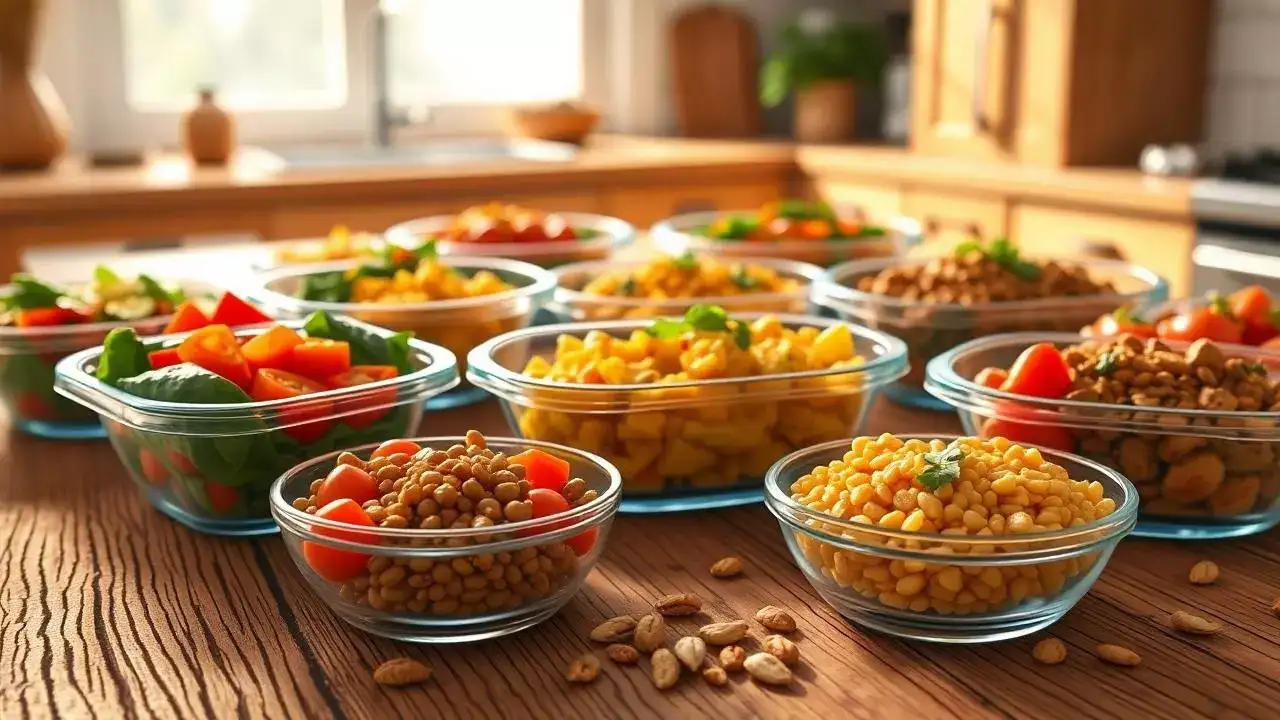
Balanced Indian meals typically include a mix of complex carbohydrates, quality protein, healthy fats, fibre and essential micronutrients. Staples such as whole grains, lentils, vegetables, curd and seasonal fruits create a strong nutritional foundation. Unlike processed food, traditional home-cooked Indian meals provide sustained energy rather than sudden sugar spikes.
For professionals who sit for long hours, a healthy Indian meal plan supports mental clarity and steady blood sugar levels. Proper nutrition also improves mood and reduces mid-afternoon energy crashes that often lead to excessive caffeine consumption.
Start with breakfast. Options like vegetable upma, poha with peanuts, oats cooked with milk and nuts, or multigrain paratha with curd provide a good mix of carbohydrates and protein. Including sprouts or boiled eggs adds additional nourishment.
For lunch, aim to include one portion of whole grains such as brown rice, millet roti or chapati made from multigrain flour. Pair it with dal or rajma for protein, one seasonal vegetable for fibre and a bowl of curd for gut health. This structure ensures that balanced Indian meals remain satisfying yet light enough to avoid post-lunch sluggishness.
Dinner should ideally be lighter than lunch. A bowl of vegetable khichdi, mixed vegetable soup with paneer, or stir-fried vegetables with a small portion of roti can support digestion and better sleep.
Chopping vegetables over the weekend and storing them properly saves time on weekdays. Boiling and refrigerating legumes such as chickpeas or kidney beans allows faster preparation of curries and salads. Simple one-pot dishes like vegetable pulao, lemon rice with peanuts or moong dal khichdi reduce cooking time and clean-up effort.
For mid-meal hunger, keep healthy snacks ready. Roasted chana, makhana, fruit with peanut butter or a handful of nuts are better alternatives to packaged snacks. These small changes strengthen a nutritious Indian food routine without adding stress.
Smoothies made with banana, dates and milk or yoghurt can serve as quick evening refreshments. They provide natural sweetness and sustained energy without relying on refined sugar.
Use smaller plates, avoid eating directly from large containers and take short breaks to focus on meals. Chew slowly and listen to hunger cues. Drinking sufficient water throughout the day also supports metabolism and reduces unnecessary snacking.
A healthy Indian meal plan should adapt to individual needs. Those aiming for weight management may increase vegetable portions and moderate rice intake. Professionals with high physical activity may require slightly larger portions of complex carbohydrates.
Regular meal timings create structure in a flexible work environment. Eating breakfast within an hour of waking up, having lunch at a fixed time and keeping dinner light helps maintain rhythm and hormonal balance.
Sleep quality is also linked to diet. Heavy, oily dinners may disturb rest, while lighter, fibre-rich options promote comfort. A consistent work from home diet ultimately contributes to improved productivity, better immunity and long-term wellbeing.
Adopting balanced Indian meals does not mean eliminating favourite dishes. It means adjusting cooking methods, moderating oil use and prioritising whole ingredients. Small, realistic changes create lasting habits.
For busy professionals managing deadlines and household responsibilities, nutrition can either become an afterthought or a powerful tool for success. With thoughtful planning, simple preparation and mindful choices, balanced Indian meals can transform daily energy levels and enhance overall quality of life while working from home.
Why Balanced Nutrition Matters When You Work From Home
When commuting disappears, physical activity often reduces. At the same time, easy access to the kitchen can encourage frequent snacking. A structured work from home diet becomes essential to prevent fatigue, weight gain and digestive discomfort.Balanced Indian meals typically include a mix of complex carbohydrates, quality protein, healthy fats, fibre and essential micronutrients. Staples such as whole grains, lentils, vegetables, curd and seasonal fruits create a strong nutritional foundation. Unlike processed food, traditional home-cooked Indian meals provide sustained energy rather than sudden sugar spikes.
For professionals who sit for long hours, a healthy Indian meal plan supports mental clarity and steady blood sugar levels. Proper nutrition also improves mood and reduces mid-afternoon energy crashes that often lead to excessive caffeine consumption.
Planning Smart And Simple Indian Meals
Meal planning for professionals does not need to be complicated. The key is preparation and balance. A weekly outline of meals can reduce decision fatigue and prevent last-minute unhealthy choices.Start with breakfast. Options like vegetable upma, poha with peanuts, oats cooked with milk and nuts, or multigrain paratha with curd provide a good mix of carbohydrates and protein. Including sprouts or boiled eggs adds additional nourishment.
For lunch, aim to include one portion of whole grains such as brown rice, millet roti or chapati made from multigrain flour. Pair it with dal or rajma for protein, one seasonal vegetable for fibre and a bowl of curd for gut health. This structure ensures that balanced Indian meals remain satisfying yet light enough to avoid post-lunch sluggishness.
Dinner should ideally be lighter than lunch. A bowl of vegetable khichdi, mixed vegetable soup with paneer, or stir-fried vegetables with a small portion of roti can support digestion and better sleep.
Quick Indian Recipes For Busy Schedules
Time constraints are a common challenge. However, quick Indian recipes can fit seamlessly into a demanding work schedule. Preparing ingredients in advance makes a significant difference.Chopping vegetables over the weekend and storing them properly saves time on weekdays. Boiling and refrigerating legumes such as chickpeas or kidney beans allows faster preparation of curries and salads. Simple one-pot dishes like vegetable pulao, lemon rice with peanuts or moong dal khichdi reduce cooking time and clean-up effort.
For mid-meal hunger, keep healthy snacks ready. Roasted chana, makhana, fruit with peanut butter or a handful of nuts are better alternatives to packaged snacks. These small changes strengthen a nutritious Indian food routine without adding stress.
Smoothies made with banana, dates and milk or yoghurt can serve as quick evening refreshments. They provide natural sweetness and sustained energy without relying on refined sugar.
Portion Control And Mindful Eating
Even balanced Indian meals can contribute to weight gain if portion sizes are excessive. Working from home sometimes leads to distracted eating while attending virtual meetings. Practising mindful eating helps maintain control.Use smaller plates, avoid eating directly from large containers and take short breaks to focus on meals. Chew slowly and listen to hunger cues. Drinking sufficient water throughout the day also supports metabolism and reduces unnecessary snacking.
You may also like
- PM-Kisan 22nd installment before Holi! Bihar farmers may receive an extra bonus.
- Amazing Beyond Eating: You May Not Know These 5 Unique Uses of Onion
- Holi Special Snacks: Not Just Gujiya and Papad—Try These 6 Snacks, Guests Will Praise You
- Holi Floor Cleaning Tips: Remove Stubborn Holi Color Stains with These Easy Remedies
- How to Host a Memorable Holi Get Together at Home
A healthy Indian meal plan should adapt to individual needs. Those aiming for weight management may increase vegetable portions and moderate rice intake. Professionals with high physical activity may require slightly larger portions of complex carbohydrates.
Balancing Productivity With Health
Nutrition directly influences work performance. Balanced Indian meals support concentration, memory and sustained mental effort. Including iron-rich foods such as spinach and lentils can help prevent fatigue. Adding seeds like flaxseed or chia to meals enhances omega fatty acid intake, which supports brain health.Regular meal timings create structure in a flexible work environment. Eating breakfast within an hour of waking up, having lunch at a fixed time and keeping dinner light helps maintain rhythm and hormonal balance.
Sleep quality is also linked to diet. Heavy, oily dinners may disturb rest, while lighter, fibre-rich options promote comfort. A consistent work from home diet ultimately contributes to improved productivity, better immunity and long-term wellbeing.
Adopting balanced Indian meals does not mean eliminating favourite dishes. It means adjusting cooking methods, moderating oil use and prioritising whole ingredients. Small, realistic changes create lasting habits.
For busy professionals managing deadlines and household responsibilities, nutrition can either become an afterthought or a powerful tool for success. With thoughtful planning, simple preparation and mindful choices, balanced Indian meals can transform daily energy levels and enhance overall quality of life while working from home.






More from our partners


Loving Newspoint? Download the app now
