
Bougainvillea Gardening Guide: Choosing the Right Pot and Growing Medium

Bougainvillea is a popular ornamental plant in Indian gardens, particularly in sunny terraces, balconies and outdoor entrances. It is known for its bright pink, purple, orange, red or white displays, often appearing in large clusters.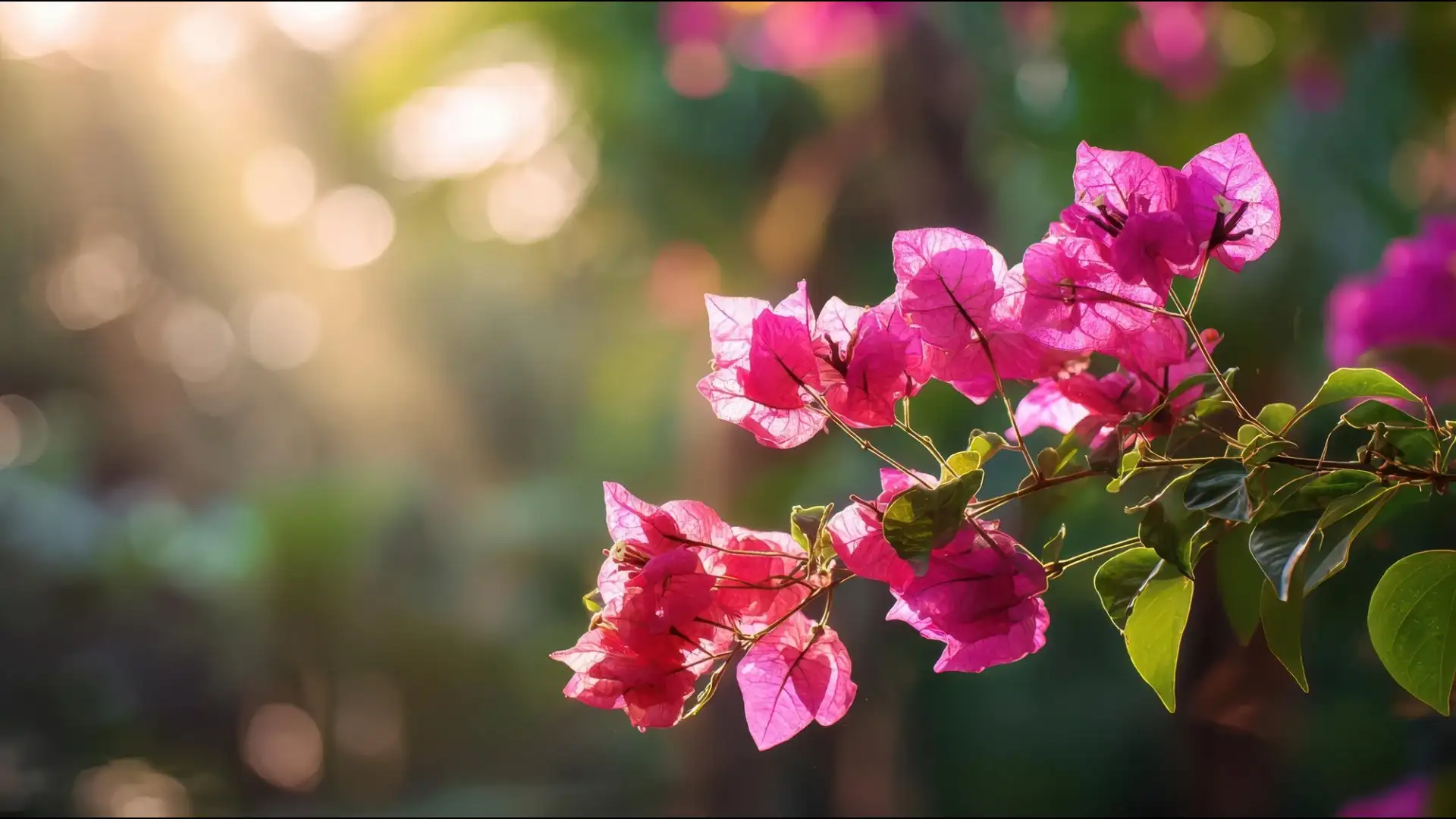
One interesting detail is that the colourful parts commonly mistaken for flowers are actually modified leaves known as bracts. The plant's true flowers are much smaller and usually appear within these colourful structures.
Bougainvillea can grow in containers if it has enough sunlight, suitable drainage and a stable support structure where needed. The University of Florida's IFAS Extension notes that the plant needs full sun and performs better when the growing medium is allowed to become slightly dry between waterings.
If your balcony has limited space, ask a nursery for a dwarf or compact variety.
A young nursery plant with firm stems and healthy leaves is a useful starting point. Avoid choosing a plant only because it is flowering heavily at the time of purchase.
Bougainvillea generally prefers a well-draining environment, so avoid containers that retain excessive water.
Terracotta pots can dry more quickly than plastic containers. This may suit bougainvillea, but the frequency of watering still depends on the climate and location.
If the plant is trained as a climber, provide a strong support such as a trellis. Secure the branches gently using soft ties rather than tightly binding them.
A practical mixture can include:
Avoid adding large amounts of rich compost or fertiliser simply to encourage faster growth.
Place the pot where it receives several hours of direct sunlight, ideally for much of the day.
A shaded balcony may support leafy growth but produce fewer colourful displays. If your terrace receives intense reflected heat, observe how the plant responds and adjust its position if necessary.
Allow excess water to drain away rather than leaving the pot sitting in a full saucer.
Bougainvillea does not need consistently wet soil. Overwatering and poor drainage can affect its growth, so avoid following a rigid daily schedule.
Check the pot more frequently during extremely hot or windy weather, when containers can dry quickly.
Remove unwanted stems and trim the plant after a flowering period when conditions are suitable. Avoid excessive cutting, particularly if new flowering growth is developing.
Use clean pruning shears and wear thick gardening gloves because many varieties have sharp thorns.
The University of Florida's guidance recommends pruning after flowering in late winter or early spring, or at the beginning of the rainy season, depending on growing conditions.
Choose a position where the branches will not obstruct a doorway or passage.
With plenty of light, careful watering and occasional pruning, bougainvillea can add a striking display of colour to an Indian balcony or terrace.
One interesting detail is that the colourful parts commonly mistaken for flowers are actually modified leaves known as bracts. The plant's true flowers are much smaller and usually appear within these colourful structures.
Bougainvillea can grow in containers if it has enough sunlight, suitable drainage and a stable support structure where needed. The University of Florida's IFAS Extension notes that the plant needs full sun and performs better when the growing medium is allowed to become slightly dry between waterings.
Choose a suitable variety
Some bougainvillea varieties grow vigorously, while others are more compact and easier to manage in containers.If your balcony has limited space, ask a nursery for a dwarf or compact variety.
A young nursery plant with firm stems and healthy leaves is a useful starting point. Avoid choosing a plant only because it is flowering heavily at the time of purchase.
Select the right container
Choose a sturdy pot with drainage holes. The container should provide enough room for root growth without becoming unnecessarily large.Bougainvillea generally prefers a well-draining environment, so avoid containers that retain excessive water.
Terracotta pots can dry more quickly than plastic containers. This may suit bougainvillea, but the frequency of watering still depends on the climate and location.
If the plant is trained as a climber, provide a strong support such as a trellis. Secure the branches gently using soft ties rather than tightly binding them.
Prepare the growing medium
Use a loose potting mixture that allows water to drain easily.A practical mixture can include:
- 2 parts general potting soil
- 1 part mature compost
- 1 part coarse sand or another drainage-improving material
Avoid adding large amounts of rich compost or fertiliser simply to encourage faster growth.
Give it enough sunlight
Bougainvillea needs a bright, sunny location to produce a good display of colourful bracts.Place the pot where it receives several hours of direct sunlight, ideally for much of the day.
A shaded balcony may support leafy growth but produce fewer colourful displays. If your terrace receives intense reflected heat, observe how the plant responds and adjust its position if necessary.
Water carefully
Water the plant thoroughly when the upper layer of the growing medium has dried.Allow excess water to drain away rather than leaving the pot sitting in a full saucer.
You may also like
- 'Cinema has always been a mirror and a window. At the 31st EU film festival, it's also a bridge'
- Place these items nearby when lighting lamps on Diwali; it will bring happiness and prosperity to your home..
- Is Diwali on November 8 or 9? Find out the date, the Amavasya Tithi, and the auspicious timings for the worship..
- In 1992, two people began collecting Auroville's waste using a cycle rickshaw; more than three decades later, an 11-member team says it diverts almost 80% of collected rubbish from landfills by sorting it
- Is Dhanteras on November 6 or 7? Find out the correct date, the auspicious time for worship, and what to buy—and what not to buy..
Bougainvillea does not need consistently wet soil. Overwatering and poor drainage can affect its growth, so avoid following a rigid daily schedule.
Check the pot more frequently during extremely hot or windy weather, when containers can dry quickly.
Prune to maintain its shape
Bougainvillea can develop long, spreading branches, so occasional pruning helps keep it manageable.Remove unwanted stems and trim the plant after a flowering period when conditions are suitable. Avoid excessive cutting, particularly if new flowering growth is developing.
Use clean pruning shears and wear thick gardening gloves because many varieties have sharp thorns.
The University of Florida's guidance recommends pruning after flowering in late winter or early spring, or at the beginning of the rainy season, depending on growing conditions.
Make the most of your balcony
Bougainvillea can be grown as a small shrub, trained along a trellis or allowed to cascade over a suitable support.Choose a position where the branches will not obstruct a doorway or passage.
With plenty of light, careful watering and occasional pruning, bougainvillea can add a striking display of colour to an Indian balcony or terrace.






Loving Newspoint? Download the app now
