
Exploring the Baltic States: How Estonia, Latvia and Lithuania Preserve Their Unique Historic Towns

The Baltic countries of Estonia, Latvia and Lithuania share a coastline, a complex history and a collection of beautifully preserved historic towns. Yet their old towns have distinct identities shaped by different languages, religious traditions, trading networks and architectural influences. Tallinn is known for its medieval streets and fortified skyline, Riga stands out for its remarkable Art Nouveau architecture, while Vilnius combines Baroque churches with a spacious historic centre. Exploring these differences offers a deeper understanding of the Baltic region beyond its picturesque squares and cobbled lanes. Each old town tells a different story about the people who built it and the cultures that shaped it.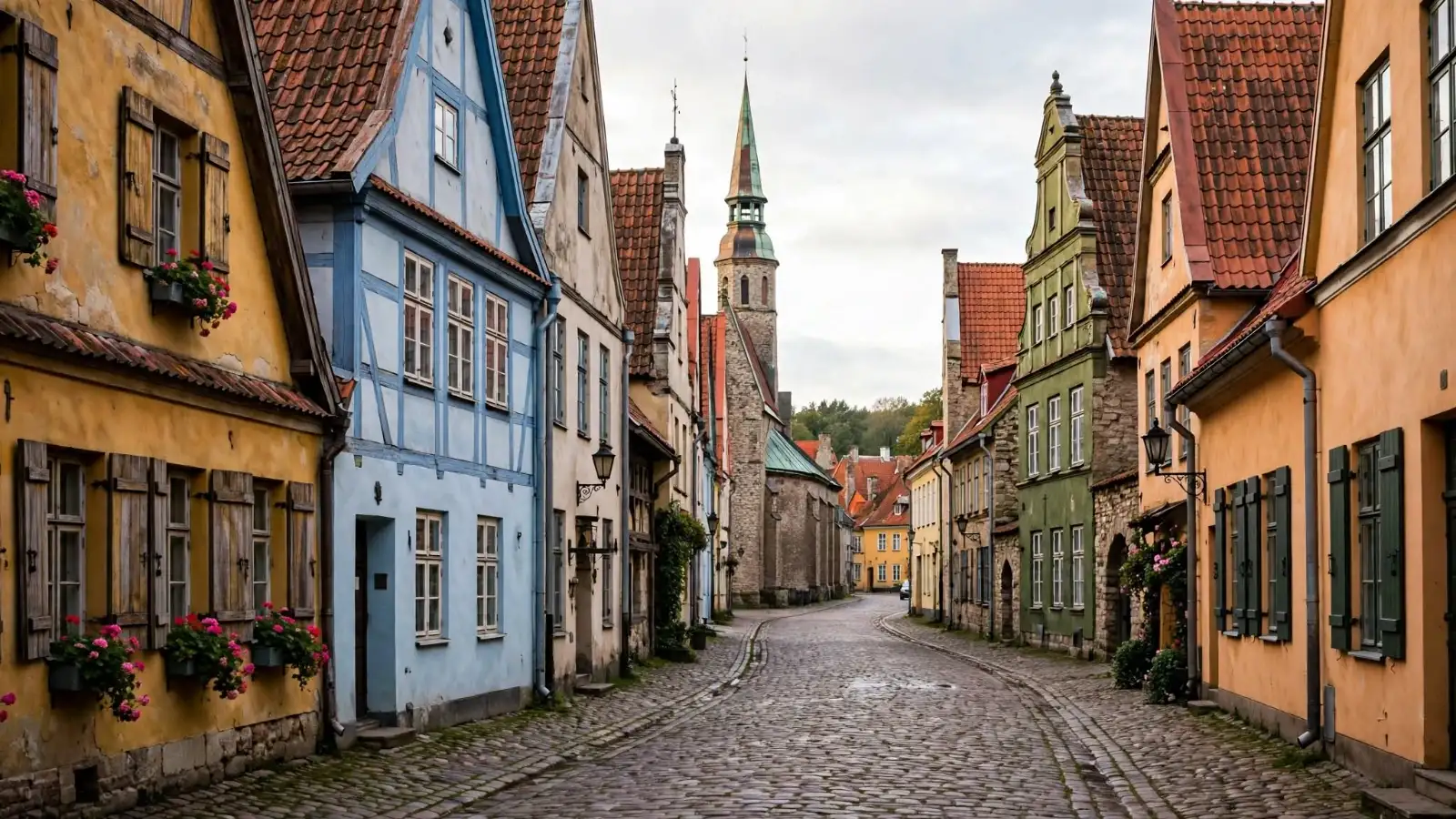
During the Middle Ages, Tallinn was connected to the Hanseatic League, a network of merchant towns that supported trade across northern Europe. This commercial history helped shape its architecture, including merchant houses, warehouses and the historic Town Hall Square.
The city's upper and lower sections also create a distinctive visual arrangement. Toompea, the hilltop area, contains important historic and political buildings, while the lower town developed around commercial activity.
Tallinn's architectural atmosphere is relatively compact and medieval compared with the other Baltic capitals. Its fortified appearance and preserved street layout make it particularly appealing to travellers interested in medieval history.
Riga's Old Town contains narrow streets, historic churches, merchant buildings and lively public squares. The House of the Blackheads, with its ornate façade, is among the city's best-known landmarks.
However, Riga's identity extends well beyond its medieval centre. The city is especially famous for its Art Nouveau architecture, much of which stands in districts surrounding the Old Town. These buildings feature decorative façades, expressive figures, intricate floral details and elaborate entrances.
This architectural variety makes Riga feel different from Tallinn. While Tallinn is strongly associated with its medieval fortifications, Riga offers a wider journey through architectural periods, from medieval trade to the decorative urban expansion of the late nineteenth and early twentieth centuries.
Vilnius developed as an important political and cultural centre of the Grand Duchy of Lithuania. Over the centuries, its population included communities with different languages, religious traditions and cultural backgrounds. These influences helped shape the city's churches, courtyards, streets and public spaces.
Baroque architecture is particularly prominent. The Church of St Peter and St Paul and the ornate buildings around the historic centre demonstrate the style's influence, while Gothic landmarks such as St Anne's Church provide a striking contrast.
Vilnius also feels more open in certain areas, with broad squares, university courtyards and streets that lead towards green hills. Its old town is not defined by one architectural style but by layers of history that sit alongside one another.
Tallinn's medieval development was closely connected to German-speaking merchant communities and the trading networks of the Hanseatic League. Its defensive walls and merchant buildings remain central to its identity.
Riga also benefited from Baltic trade, but its later growth produced a particularly rich collection of nineteenth-century and early twentieth-century architecture. Its Art Nouveau districts reflect a period when the city expanded rapidly and developed a modern urban character.
Vilnius followed a different path as a major centre of the Grand Duchy of Lithuania and later the Polish-Lithuanian Commonwealth. Its cultural and religious diversity left a visible mark on the historic centre, particularly in its churches and architectural styles.
These differences are not absolute. All three cities experienced political change, foreign rule, conflict and reconstruction. Their present-day appearance reflects both historic development and modern conservation.
These traditions influenced the construction of churches, religious monuments and civic buildings, although each city contains a more complicated mix of religious histories than a simple national distinction suggests.
Language also shapes the experience of visiting the Baltic capitals. Estonian belongs to the Finnic branch of the Uralic language family, whereas Latvian and Lithuanian are Baltic languages within the Indo-European family. These linguistic differences reflect distinct cultural histories despite the countries' geographical proximity.
Visitors can also notice differences in local food, public celebrations, museums and craft traditions. These elements bring the old towns to life beyond their architectural landmarks.
The old towns of Estonia, Latvia and Lithuania share a history of trade, cultural exchange and political change, but each has developed its own architectural personality. Tallinn preserves a striking medieval atmosphere, Riga combines its trading heritage with an exceptional Art Nouveau legacy, and Vilnius reflects centuries of Baroque, religious and multicultural influences. Understanding these differences makes a visit more meaningful. Rather than seeing the Baltic capitals as interchangeable historic destinations, travellers can appreciate each city as a distinct expression of the region's diverse past.
Tallinn: A Medieval Old Town With a Northern European Character
Estonia's capital, Tallinn, has one of the most recognisable historic centres in northern Europe. Its Old Town is known for winding cobbled streets, defensive walls, towers and buildings that reflect its importance as a medieval trading centre.During the Middle Ages, Tallinn was connected to the Hanseatic League, a network of merchant towns that supported trade across northern Europe. This commercial history helped shape its architecture, including merchant houses, warehouses and the historic Town Hall Square.
The city's upper and lower sections also create a distinctive visual arrangement. Toompea, the hilltop area, contains important historic and political buildings, while the lower town developed around commercial activity.
Tallinn's architectural atmosphere is relatively compact and medieval compared with the other Baltic capitals. Its fortified appearance and preserved street layout make it particularly appealing to travellers interested in medieval history.
Riga: A City Defined by Trade and Art Nouveau Architecture
Latvia's capital, Riga, developed into a major trading centre on the Baltic Sea. Like Tallinn, it was connected to Hanseatic commerce, but its historic character reflects a broader mix of medieval, Germanic, Scandinavian and later European influences.Riga's Old Town contains narrow streets, historic churches, merchant buildings and lively public squares. The House of the Blackheads, with its ornate façade, is among the city's best-known landmarks.
However, Riga's identity extends well beyond its medieval centre. The city is especially famous for its Art Nouveau architecture, much of which stands in districts surrounding the Old Town. These buildings feature decorative façades, expressive figures, intricate floral details and elaborate entrances.
This architectural variety makes Riga feel different from Tallinn. While Tallinn is strongly associated with its medieval fortifications, Riga offers a wider journey through architectural periods, from medieval trade to the decorative urban expansion of the late nineteenth and early twentieth centuries.
Vilnius: Baroque Churches and a Diverse Historic Centre
The Lithuanian capital, Vilnius, has a historic centre known for its mixture of Gothic, Renaissance, Baroque and Neoclassical architecture. Its Old Town is larger in character and more varied in appearance than Tallinn's compact medieval core.Vilnius developed as an important political and cultural centre of the Grand Duchy of Lithuania. Over the centuries, its population included communities with different languages, religious traditions and cultural backgrounds. These influences helped shape the city's churches, courtyards, streets and public spaces.
Baroque architecture is particularly prominent. The Church of St Peter and St Paul and the ornate buildings around the historic centre demonstrate the style's influence, while Gothic landmarks such as St Anne's Church provide a striking contrast.
Vilnius also feels more open in certain areas, with broad squares, university courtyards and streets that lead towards green hills. Its old town is not defined by one architectural style but by layers of history that sit alongside one another.
How History Shaped Their Different Identities
Although all three capitals participated in Baltic and European trade, their political histories differed.Tallinn's medieval development was closely connected to German-speaking merchant communities and the trading networks of the Hanseatic League. Its defensive walls and merchant buildings remain central to its identity.
Riga also benefited from Baltic trade, but its later growth produced a particularly rich collection of nineteenth-century and early twentieth-century architecture. Its Art Nouveau districts reflect a period when the city expanded rapidly and developed a modern urban character.
Vilnius followed a different path as a major centre of the Grand Duchy of Lithuania and later the Polish-Lithuanian Commonwealth. Its cultural and religious diversity left a visible mark on the historic centre, particularly in its churches and architectural styles.
These differences are not absolute. All three cities experienced political change, foreign rule, conflict and reconstruction. Their present-day appearance reflects both historic development and modern conservation.
The Role of Religion, Language and Culture
Religious traditions are another reason the old towns look different. Estonia and Latvia have long-standing Lutheran influences alongside other religious communities, while Lithuania has a particularly strong Catholic heritage.You may also like
- She failed UPSC 6 times, and her decade-long dream collapsed at 30; today she has taught around 900 kids and employed nearly 30 women: Meet Shruti Srivastava
- Food Processing May Affect the Body Differently Even When Meals Have the Same Nutrients
- Meet Ashaatti Ammumma: Kerala grandmother wins hearts by teaching kids to write in sand
- Keeping these 5 plants at home can attract wealth and prosperity
- A Tamil Nadu boy was denied access to a library in his own neighbourhood; years after he helped open one in Coimbatore, the number of graduates in his community has risen from just 4 to 30
These traditions influenced the construction of churches, religious monuments and civic buildings, although each city contains a more complicated mix of religious histories than a simple national distinction suggests.
Language also shapes the experience of visiting the Baltic capitals. Estonian belongs to the Finnic branch of the Uralic language family, whereas Latvian and Lithuanian are Baltic languages within the Indo-European family. These linguistic differences reflect distinct cultural histories despite the countries' geographical proximity.
Visitors can also notice differences in local food, public celebrations, museums and craft traditions. These elements bring the old towns to life beyond their architectural landmarks.
Which Baltic Old Town Should You Visit First?
The best choice depends on what interests you most.- Choose Tallinn if you enjoy medieval streets, historic walls, towers and a compact old town that is easy to explore on foot.
- Choose Riga if you want a combination of medieval landmarks, grand urban streets and some of Europe's best-known Art Nouveau architecture.
- Choose Vilnius if you prefer Baroque churches, varied architectural styles, historic courtyards and a more expansive old-town experience.
The old towns of Estonia, Latvia and Lithuania share a history of trade, cultural exchange and political change, but each has developed its own architectural personality. Tallinn preserves a striking medieval atmosphere, Riga combines its trading heritage with an exceptional Art Nouveau legacy, and Vilnius reflects centuries of Baroque, religious and multicultural influences. Understanding these differences makes a visit more meaningful. Rather than seeing the Baltic capitals as interchangeable historic destinations, travellers can appreciate each city as a distinct expression of the region's diverse past.






Loving Newspoint? Download the app now
