
How to Build a Basic Body-Care Routine Without Buying Too Many Products

Building a body-care routine can become confusing when beauty shelves are filled with body washes, scrubs, lotions, oils, butters and specialised treatments. Many products promise softer, smoother or brighter skin, but a long list of purchases is not necessary for everyday body care. A few well-chosen essentials can help keep the skin clean, comfortable and moisturised without putting pressure on your budget.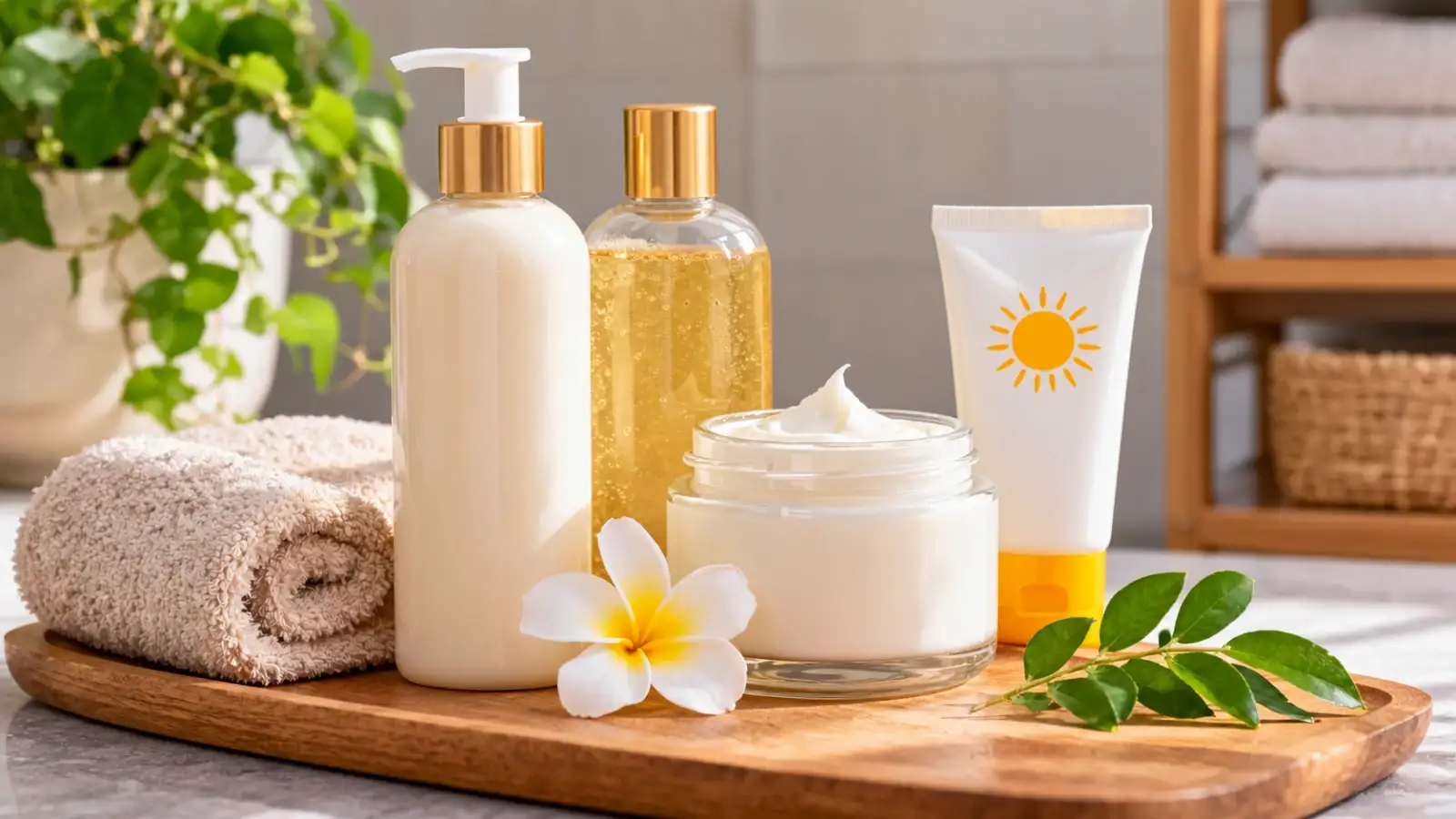
The key is to understand what your skin actually needs. Regular cleansing, appropriate moisturising and sun protection for exposed areas form a practical starting point. Once these habits become consistent, you can decide whether any additional product addresses a genuine concern rather than simply following a beauty trend.
You do not need a separate body wash for every part of your body. A mild cleanser that suits your skin type is usually sufficient. If your skin tends to become dry or sensitive, look for a fragrance-free formula and avoid products that leave it feeling stripped after bathing.
Use lukewarm water instead of very hot water, and keep showers reasonably short. You also do not need to scrub your entire body vigorously every day. Clean areas that need it, such as the underarms, feet and groin, gently and thoroughly.
If your existing cleanser works well and does not cause irritation, there is little reason to replace it with a more expensive product.
The right choice depends on how your skin feels. A lightweight lotion may suit normal skin or warm, humid weather, while a richer cream can be more comfortable for dry or rough skin. If certain areas, such as your elbows, knees or heels, become particularly dry, you can apply a little extra moisturiser there.
Look for useful ingredients such as glycerin, ceramides, shea butter or petrolatum, depending on your needs. These can help attract moisture, support the skin barrier or reduce water loss.
Apply moisturiser shortly after bathing, while your skin is still slightly damp. This simple habit can help your skin retain moisture and may reduce the need for several additional products.
Choose a broad-spectrum sunscreen with SPF 30 or higher for exposed skin. Apply it according to the product instructions, and reapply approximately every two hours when outdoors, as well as after swimming or heavy sweating.
You do not need to buy a separate sunscreen for every body part. One suitable product can cover multiple areas, provided it is appropriate for the intended use and you apply enough.
Protective clothing, shade and hats can also reduce sun exposure. These habits complement sunscreen and may help you avoid spending money on products marketed as solutions for sun-related skin concerns.
For ordinary body care, gentle washing and moisturising may be sufficient. If you have a specific concern, such as rough bumps or ingrown hairs, a suitable exfoliating product may help, but it is not a compulsory step for everyone.
Avoid scrubbing skin that is already irritated, sunburnt, cracked or inflamed. If you decide to introduce an exfoliating product, start cautiously and follow its directions rather than combining several treatments at once.
You can save money by treating exfoliation as an optional step instead of buying a new scrub every time a product becomes popular.
A regular body moisturiser may work well on your hands, arms and legs. If your heels are very dry, you may benefit from a thicker cream or an ointment containing petrolatum. However, you can start with the moisturiser you already own before deciding whether another product is needed.
The same principle applies to body oils, fragranced lotions and shower oils. Consider whether a product solves a problem your current routine cannot address. If it offers no clear benefit, you can leave it off your shopping list.
Keep in mind that products labelled natural or herbal are not automatically gentler. Fragrances and botanical ingredients can irritate sensitive skin, so choose based on your skin's response rather than marketing claims.
For normal skin, a gentle cleanser and a basic moisturiser may be sufficient, with sunscreen for exposed areas.
For dry skin, prioritise a fragrance-free cream or ointment rather than buying several lightweight lotions that do not provide enough moisture.
For oily or acne-prone skin, choose a comfortable, non-comedogenic moisturiser and avoid applying heavy products to areas where they tend to trigger breakouts.
For sensitive skin, keep the routine especially simple. Fragrance-free products and fewer new ingredients can reduce the chance of irritation. Introduce new products one at a time so you can identify the cause if a reaction occurs.
If you have persistent itching, painful cracks, a rash or recurring body acne, consider seeking advice from a qualified healthcare professional rather than repeatedly buying new skincare products.
Finish products that work well for your skin before replacing them. Compare ingredient lists, check the quantity and avoid buying multiple products simply because they are on sale. A low-cost product that you use consistently can be more practical than an expensive product that sits unused.
It is also sensible to avoid introducing several new products at the same time. This makes it easier to understand what works for your skin and reduces unnecessary spending if irritation develops.
A basic body-care routine does not require a crowded shelf or a large monthly budget. Start with a gentle cleanser, one moisturiser suited to your skin and broad-spectrum sunscreen for exposed areas. Keep exfoliation optional, avoid unnecessary specialised products and adjust your routine when your skin's needs change.
The goal is not to own more skincare products. It is to use a few suitable essentials consistently and spend money only when a product serves a clear purpose.
The key is to understand what your skin actually needs. Regular cleansing, appropriate moisturising and sun protection for exposed areas form a practical starting point. Once these habits become consistent, you can decide whether any additional product addresses a genuine concern rather than simply following a beauty trend.
1. Start With a Gentle Body Cleanser
A body cleanser is one of the few products most people need for regular hygiene. Its purpose is to remove sweat, dirt, excess oil and everyday build-up without leaving the skin feeling uncomfortably tight.You do not need a separate body wash for every part of your body. A mild cleanser that suits your skin type is usually sufficient. If your skin tends to become dry or sensitive, look for a fragrance-free formula and avoid products that leave it feeling stripped after bathing.
Use lukewarm water instead of very hot water, and keep showers reasonably short. You also do not need to scrub your entire body vigorously every day. Clean areas that need it, such as the underarms, feet and groin, gently and thoroughly.
If your existing cleanser works well and does not cause irritation, there is little reason to replace it with a more expensive product.
2. Choose One Good Body Moisturiser
If you want to keep your body-care routine simple, one suitable moisturiser is often enough. You do not necessarily need a separate lotion, cream, body butter and body oil.The right choice depends on how your skin feels. A lightweight lotion may suit normal skin or warm, humid weather, while a richer cream can be more comfortable for dry or rough skin. If certain areas, such as your elbows, knees or heels, become particularly dry, you can apply a little extra moisturiser there.
Look for useful ingredients such as glycerin, ceramides, shea butter or petrolatum, depending on your needs. These can help attract moisture, support the skin barrier or reduce water loss.
Apply moisturiser shortly after bathing, while your skin is still slightly damp. This simple habit can help your skin retain moisture and may reduce the need for several additional products.
3. Make Sunscreen Part of Your Routine
Sunscreen is an important part of body care, especially for skin exposed to daylight. Your face, neck, hands, arms and legs may receive regular sun exposure, depending on your clothing and daily activities.Choose a broad-spectrum sunscreen with SPF 30 or higher for exposed skin. Apply it according to the product instructions, and reapply approximately every two hours when outdoors, as well as after swimming or heavy sweating.
You do not need to buy a separate sunscreen for every body part. One suitable product can cover multiple areas, provided it is appropriate for the intended use and you apply enough.
Protective clothing, shade and hats can also reduce sun exposure. These habits complement sunscreen and may help you avoid spending money on products marketed as solutions for sun-related skin concerns.
4. Skip Daily Scrubs and Unnecessary Exfoliation
Body scrubs are often promoted as essential for smooth skin, but most people do not need to exfoliate every day. Frequent or aggressive scrubbing can irritate the skin, worsen dryness and damage its protective barrier.For ordinary body care, gentle washing and moisturising may be sufficient. If you have a specific concern, such as rough bumps or ingrown hairs, a suitable exfoliating product may help, but it is not a compulsory step for everyone.
Avoid scrubbing skin that is already irritated, sunburnt, cracked or inflamed. If you decide to introduce an exfoliating product, start cautiously and follow its directions rather than combining several treatments at once.
You can save money by treating exfoliation as an optional step instead of buying a new scrub every time a product becomes popular.
5. Do Not Buy Separate Products for Every Body Part
Beauty marketing often encourages people to purchase specialised products for their hands, feet, elbows, knees and other areas. Some targeted products can be useful, but they are not always necessary.A regular body moisturiser may work well on your hands, arms and legs. If your heels are very dry, you may benefit from a thicker cream or an ointment containing petrolatum. However, you can start with the moisturiser you already own before deciding whether another product is needed.
The same principle applies to body oils, fragranced lotions and shower oils. Consider whether a product solves a problem your current routine cannot address. If it offers no clear benefit, you can leave it off your shopping list.
Keep in mind that products labelled natural or herbal are not automatically gentler. Fragrances and botanical ingredients can irritate sensitive skin, so choose based on your skin's response rather than marketing claims.
6. Follow a Simple Morning and Evening Routine
A practical body-care routine does not need to take a long time. Consistency matters more than the number of steps.Morning routine
- Wash or shower as needed, using a gentle cleanser.
- Apply body moisturiser if your skin feels dry.
- Use sunscreen on exposed skin when you will be outdoors during daylight.
Evening routine
- Shower after sweating or when you need to remove dirt and sunscreen.
- Pat your skin dry rather than rubbing it vigorously.
- Apply moisturiser to slightly damp skin, paying extra attention to dry areas.
7. Build Your Routine Around Your Skin Type
Buying fewer products works best when you select them according to your skin's needs.For normal skin, a gentle cleanser and a basic moisturiser may be sufficient, with sunscreen for exposed areas.
For dry skin, prioritise a fragrance-free cream or ointment rather than buying several lightweight lotions that do not provide enough moisture.
For oily or acne-prone skin, choose a comfortable, non-comedogenic moisturiser and avoid applying heavy products to areas where they tend to trigger breakouts.
For sensitive skin, keep the routine especially simple. Fragrance-free products and fewer new ingredients can reduce the chance of irritation. Introduce new products one at a time so you can identify the cause if a reaction occurs.
If you have persistent itching, painful cracks, a rash or recurring body acne, consider seeking advice from a qualified healthcare professional rather than repeatedly buying new skincare products.
8. Spend Smartly and Use What You Already Own
Before purchasing anything new, check your bathroom cabinet. You may already have a suitable cleanser and moisturiser that can form the basis of your routine.Finish products that work well for your skin before replacing them. Compare ingredient lists, check the quantity and avoid buying multiple products simply because they are on sale. A low-cost product that you use consistently can be more practical than an expensive product that sits unused.
It is also sensible to avoid introducing several new products at the same time. This makes it easier to understand what works for your skin and reduces unnecessary spending if irritation develops.
A basic body-care routine does not require a crowded shelf or a large monthly budget. Start with a gentle cleanser, one moisturiser suited to your skin and broad-spectrum sunscreen for exposed areas. Keep exfoliation optional, avoid unnecessary specialised products and adjust your routine when your skin's needs change.
The goal is not to own more skincare products. It is to use a few suitable essentials consistently and spend money only when a product serves a clear purpose.
Next Story