
10 Stunning Himalayan Monasteries That Feel Like Another World

The Indian Himalayas are home to some of the country's most striking monasteries. Perched on mountain slopes, hidden inside remote valleys and surrounded by forests or barren high-altitude landscapes, these monasteries offer much more than places of worship.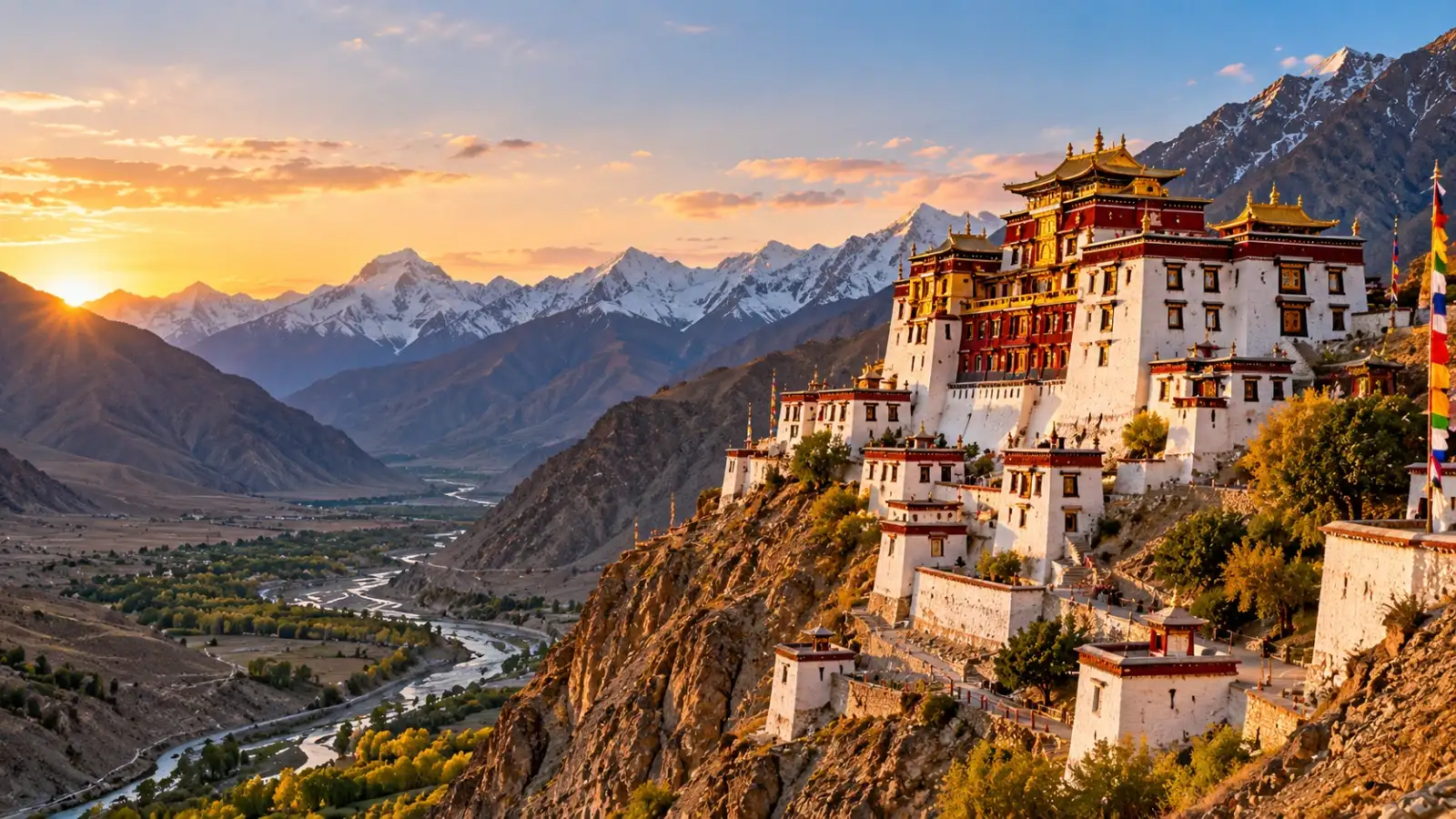
Their colourful murals, prayer wheels, ancient manuscripts, enormous statues and traditional architecture reflect centuries of Buddhist culture. A visit can also offer a chance to experience the dramatic landscapes of Ladakh, Sikkim, Himachal Pradesh and Arunachal Pradesh.
Here are some of the most remarkable monasteries to explore across the Indian Himalayas.
The monastery belongs to the Gelug school of Tibetan Buddhism and is known for its impressive prayer hall, traditional architecture and collection of Buddhist scriptures and artworks.
The surrounding journey is part of the attraction, with winding mountain roads, high passes and spectacular Himalayan scenery.
Its layered buildings rise up the hillside, creating an especially striking view from a distance. Inside, visitors can see colourful murals, Buddhist artwork and religious objects.
The monastery is also known for its large statue of Maitreya Buddha, which occupies two floors of the main temple.
Its unusual, fortress-like structure appears to rise directly from the surrounding mountains. The remote location and stark landscape give the monastery a distinctive atmosphere.
The interior contains murals, thangkas, manuscripts and other objects associated with Tibetan Buddhist traditions. The journey to Key Monastery is equally memorable, passing through the high-altitude landscapes of Spiti Valley.
Also known as the Dharma Chakra Centre, Rumtek is associated with the Karma Kagyu tradition of Tibetan Buddhism. Its architecture features ornate details, colourful paintings and traditional Buddhist motifs.
The monastery's elevated position also provides impressive views across the surrounding hills.
The monastery is particularly famous for the annual Hemis Festival, when traditional masked dances, music and religious ceremonies take place.
Its white walls and colourful decorations stand in sharp contrast to the rugged brown mountains surrounding it. The monastery also houses an important collection of Buddhist artefacts and religious objects.
The monastery is associated with the Nyingma tradition of Tibetan Buddhism and is known for its traditional paintings, sculptures and intricate wooden structures.
On clear days, the surrounding mountains add another layer to the experience, making the monastery particularly appealing to photographers.
One of its most recognisable features is the enormous Maitreya Buddha statue overlooking the valley.
The monastery can be visited as part of a Nubra Valley trip, allowing travellers to combine Buddhist heritage with sand dunes, mountain landscapes and remote Himalayan villages.
Its greatest attraction is its remarkable collection of ancient murals, sculptures and artistic details. The artwork reflects influences from different periods and traditions of Himalayan Buddhist art.
Photography restrictions can apply inside some of the temples, so visitors should follow local instructions.
The monastery's remote setting has helped preserve its secluded character. Reaching it requires a trek, making the journey considerably more demanding than visiting monasteries accessible by road.
For travellers interested in combining trekking with Himalayan culture, Phuktal offers a particularly distinctive experience.
The monastery is known for its large Maitreya Buddha statue and traditional Tibetan Buddhist artwork. Its location near Darjeeling also makes it considerably easier to reach than some of the remote monasteries of Ladakh or Arunachal Pradesh.
The surrounding mountain scenery and cool climate make it a popular stop for visitors exploring the Darjeeling region.
Some, such as Phuktal and Key, are remarkable because of their remote locations. Others, including Rumtek and Ghoom, can be incorporated more easily into conventional Himalayan trips.
Beyond their architecture and scenery, these monasteries preserve centuries of Buddhist traditions, art and learning. Visiting them offers travellers an opportunity to experience a quieter side of the Himalayas while discovering the cultural heritage that continues to shape these mountain communities.
Their colourful murals, prayer wheels, ancient manuscripts, enormous statues and traditional architecture reflect centuries of Buddhist culture. A visit can also offer a chance to experience the dramatic landscapes of Ladakh, Sikkim, Himachal Pradesh and Arunachal Pradesh.
Here are some of the most remarkable monasteries to explore across the Indian Himalayas.
Tawang Monastery , Arunachal Pradesh
Perched at an altitude of around 3,000 metres, Tawang Monastery is one of the most famous Buddhist monasteries in India. Located in Arunachal Pradesh, it overlooks the Tawang valley and surrounding mountains.The monastery belongs to the Gelug school of Tibetan Buddhism and is known for its impressive prayer hall, traditional architecture and collection of Buddhist scriptures and artworks.
The surrounding journey is part of the attraction, with winding mountain roads, high passes and spectacular Himalayan scenery.
Thiksey Monastery , Ladakh
Thiksey Monastery is one of Ladakh's most recognisable landmarks. Built on a hill overlooking the Indus Valley, the monastery resembles a whitewashed mountain fortress.Its layered buildings rise up the hillside, creating an especially striking view from a distance. Inside, visitors can see colourful murals, Buddhist artwork and religious objects.
The monastery is also known for its large statue of Maitreya Buddha, which occupies two floors of the main temple.
Key Monastery , Himachal Pradesh
Key Monastery, also known as Key Gompa, stands dramatically above the Spiti River in Himachal Pradesh.Its unusual, fortress-like structure appears to rise directly from the surrounding mountains. The remote location and stark landscape give the monastery a distinctive atmosphere.
The interior contains murals, thangkas, manuscripts and other objects associated with Tibetan Buddhist traditions. The journey to Key Monastery is equally memorable, passing through the high-altitude landscapes of Spiti Valley.
Rumtek Monastery , Sikkim
Located near Gangtok, Rumtek Monastery offers a very different Himalayan setting. Instead of the dry, rugged terrain of Ladakh and Spiti, the monastery is surrounded by the lush green mountains of Sikkim.Also known as the Dharma Chakra Centre, Rumtek is associated with the Karma Kagyu tradition of Tibetan Buddhism. Its architecture features ornate details, colourful paintings and traditional Buddhist motifs.
The monastery's elevated position also provides impressive views across the surrounding hills.
Hemis Monastery , Ladakh
Hidden in a side valley of Ladakh, Hemis Monastery is one of the region's most important Buddhist institutions.The monastery is particularly famous for the annual Hemis Festival, when traditional masked dances, music and religious ceremonies take place.
Its white walls and colourful decorations stand in sharp contrast to the rugged brown mountains surrounding it. The monastery also houses an important collection of Buddhist artefacts and religious objects.
Pemayangtse Monastery, Sikkim
Pemayangtse Monastery is one of Sikkim's oldest and most important monasteries. Located near Pelling, it sits amid forests with views towards the high Himalayan peaks.The monastery is associated with the Nyingma tradition of Tibetan Buddhism and is known for its traditional paintings, sculptures and intricate wooden structures.
On clear days, the surrounding mountains add another layer to the experience, making the monastery particularly appealing to photographers.
Diskit Monastery, Ladakh
Diskit Monastery is dramatically positioned above the Nubra Valley. Its elevated location provides sweeping views of the valley and surrounding mountains.One of its most recognisable features is the enormous Maitreya Buddha statue overlooking the valley.
The monastery can be visited as part of a Nubra Valley trip, allowing travellers to combine Buddhist heritage with sand dunes, mountain landscapes and remote Himalayan villages.
Alchi Monastery, Ladakh
Alchi is different from many of the hilltop monasteries found across Ladakh. Rather than occupying a dramatic mountain peak, its historic complex lies in a comparatively sheltered area close to the Indus River.Its greatest attraction is its remarkable collection of ancient murals, sculptures and artistic details. The artwork reflects influences from different periods and traditions of Himalayan Buddhist art.
Photography restrictions can apply inside some of the temples, so visitors should follow local instructions.
Phuktal Monastery, Zanskar
Phuktal Monastery is among the most unusual monasteries in the Indian Himalayas. Built into the side of a remote cliff in the Zanskar region, it appears almost suspended above the valley.The monastery's remote setting has helped preserve its secluded character. Reaching it requires a trek, making the journey considerably more demanding than visiting monasteries accessible by road.
You may also like
- 5 Shiva Mantras That Carry the Weight of Stillness
- “I will take care”: Bengaluru woman quits IT job after PCOD, night shifts and family pressures, says driving an auto gives her more flexibility and higher earnings
- Your bedroom may not need as many windows as you think: Here's what actually matters in good design
- Why Gen Z needs to watch In the Mood for Love - a classic where intimacy is about restraint
- National Immunisation Schedule (NIS) in India: A Parent's Guide to Childhood Vaccinations
For travellers interested in combining trekking with Himalayan culture, Phuktal offers a particularly distinctive experience.
Ghoom Monastery, West Bengal
Ghoom Monastery, officially known as Yiga Choeling Monastery, is located near Darjeeling in the lower Himalayas.The monastery is known for its large Maitreya Buddha statue and traditional Tibetan Buddhist artwork. Its location near Darjeeling also makes it considerably easier to reach than some of the remote monasteries of Ladakh or Arunachal Pradesh.
The surrounding mountain scenery and cool climate make it a popular stop for visitors exploring the Darjeeling region.
Monasteries That Tell the Story of the Himalayas
The monasteries of the Indian Himalayas vary enormously from one region to another. Ladakh's monasteries often stand amid dry, high-altitude mountains, while those in Sikkim and Arunachal Pradesh are surrounded by forests and greener valleys.Some, such as Phuktal and Key, are remarkable because of their remote locations. Others, including Rumtek and Ghoom, can be incorporated more easily into conventional Himalayan trips.
Beyond their architecture and scenery, these monasteries preserve centuries of Buddhist traditions, art and learning. Visiting them offers travellers an opportunity to experience a quieter side of the Himalayas while discovering the cultural heritage that continues to shape these mountain communities.






Loving Newspoint? Download the app now
