
Temple Towns in India That Offer Much More Than Pilgrimage

India's temple towns are often seen primarily as pilgrimage destinations, but that description barely covers what many of them offer. Around ancient shrines have grown historic neighbourhoods, traditional markets, distinctive architecture, regional food traditions, festivals, crafts and cultural practices that have survived for generations.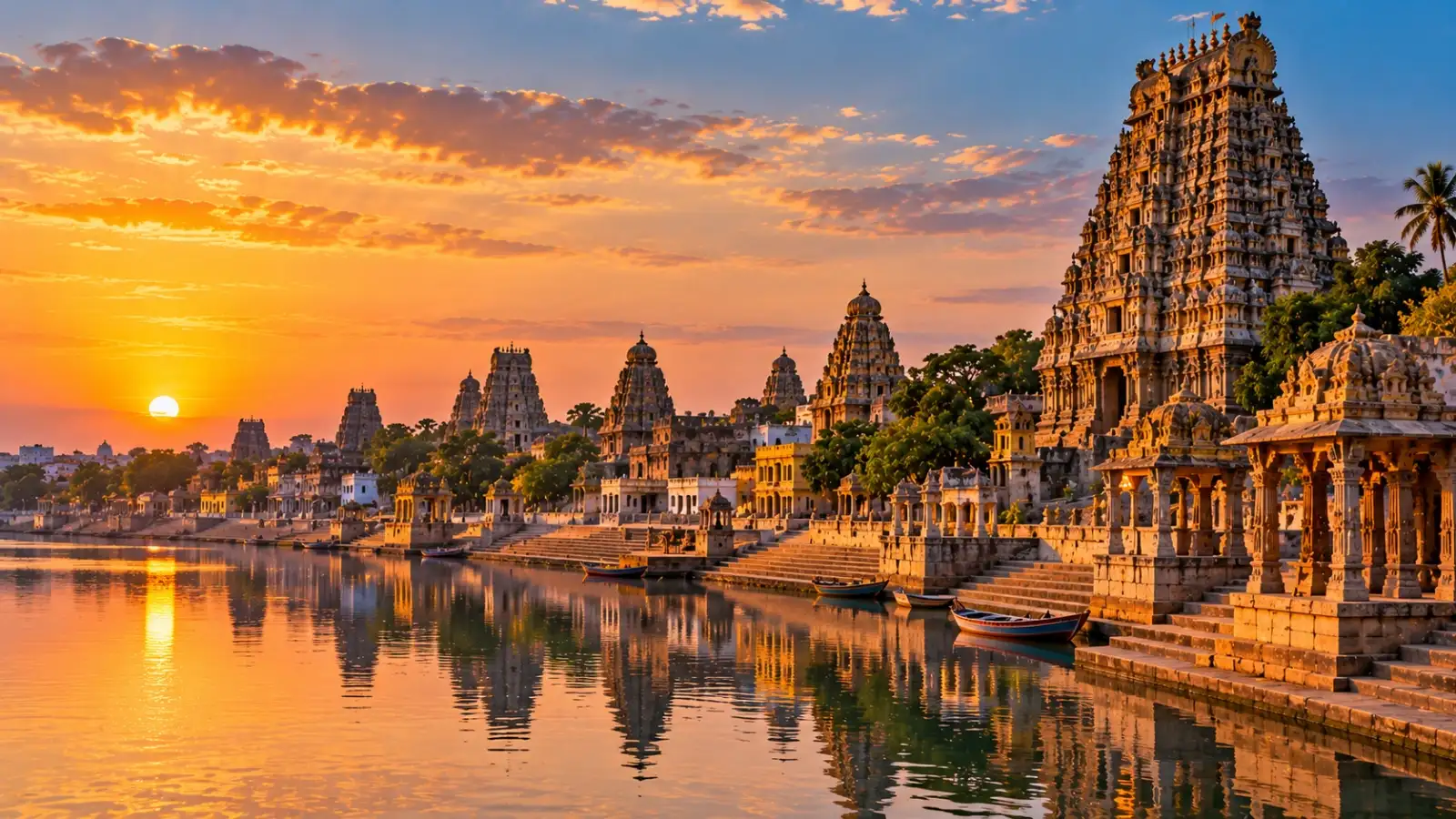
Some towns are shaped by monumental temple complexes, while others combine sacred architecture with forts, rivers, old streets and dramatic landscapes. Exploring them as cultural destinations can reveal a side of India that is easy to miss when a visit is planned only around religious rituals.
From the stone-carved streets of Tamil Nadu to the medieval landscapes of Madhya Pradesh and the ancient architecture of Karnataka, these temple towns make fascinating travel destinations even for those approaching them from a history, culture or photography perspective.
The Ram Raja Temple is particularly distinctive because Lord Rama is worshipped here as a king. The town also has the Chaturbhuj Temple and Laxmi Narayan Temple, while the Orchha Fort complex contains palaces including Raja Mahal and Jahangir Mahal.
But Orchha is not simply about entering temples. Walking or cycling through the small town, watching the Betwa River around sunset, exploring the old fort and viewing the riverside cenotaphs can make the destination feel more like an open-air heritage experience.
The old markets are particularly worth exploring. Flower sellers, textile shops, traditional food outlets and small businesses create a lively atmosphere around the historic centre. Madurai is also known for its jasmine, while local specialities such as Jigarthanda give the city a strong food identity.
Travellers can also venture beyond the central temple area to places such as Samanar Hills, historic sites and nearby natural attractions. This makes Madurai suitable for a cultural city break rather than a pilgrimage-only itinerary.
The Khajuraho Group of Monuments is a UNESCO World Heritage Site, with surviving Hindu and Jain temples dating largely from the period of Chandela rule between the 9th and 12th centuries. The monuments feature elaborate sculptures depicting deities, musicians, animals, mythical figures and scenes connected with everyday life.
The town is therefore particularly rewarding for travellers interested in art and architecture. Spending time examining the different temple groups reveals variations in design, sculpture and religious traditions rather than presenting the complex as a single attraction.
The Virupaksha Temple is one of its most impressive monuments, while other structures demonstrate a combination of Nagara and Dravida architectural influences. Detailed carvings also depict scenes from mythology and aspects of everyday life.
Pattadakal works especially well as part of a wider heritage journey with Badami and Aihole. Together, these destinations allow travellers to follow the development of early temple architecture across a relatively compact region.
The town has long been associated with classical music, dance, painting and traditional crafts. Its historic identity is closely linked with the Cholas, Nayaks and Marathas, giving visitors several layers of history to explore.
The Brihadisvara Temple itself is part of the UNESCO-listed Great Living Chola Temples and demonstrates the scale and sophistication of Chola architecture. A visit becomes more rewarding when combined with the city's museums, traditional art traditions and local food rather than treating the temple as a standalone attraction.
The Group of Monuments at Mahabalipuram is a UNESCO World Heritage Site, and its architecture makes particularly good use of the surrounding rocky landscape. The monuments are not isolated from their environment, which gives the town a distinctive visual character.
The seaside setting also changes the experience. Travellers can combine heritage walks with time at the coast, local seafood restaurants and craft shops, making Mahabalipuram suitable for a relaxed cultural holiday rather than a temple-focused trip.
The Virupaksha Temple remains an active place of worship, but the surrounding ruins reveal the scale of the former Vijayanagara capital. Travellers can spend days exploring temple complexes, bazaars, royal enclosures, stone structures and viewpoints spread across the landscape.
The great advantage of Hampi is that its heritage does not feel confined to a single monument. Walking between sites or cycling through the surrounding countryside gives a sense of how temples, markets and royal spaces once formed part of a much larger urban centre.
Yet the town surrounding it is equally interesting. Traditional houses, narrow streets, small shops and local food establishments create a distinctive atmosphere that has developed around the temple over centuries.
Srirangam is particularly suited to travellers who enjoy observing traditional town life. Instead of arriving, visiting the temple and leaving, spend time walking through the surrounding streets and understanding how the religious complex remains integrated with everyday life.
The town is also famous for its silk weaving tradition. Visiting local areas associated with handloom production can add a cultural dimension that is completely different from simply visiting temples.
Kanchipuram's historic architecture includes major temples with impressive gateways, stone carvings and large courtyards. A visit therefore works particularly well when architecture, textiles and local food are included alongside the religious sites.
Walking through the old city can reveal a constantly changing mix of workshops, small eateries, markets and historic buildings. The riverfront offers another perspective, particularly around sunrise and sunset when the ghats become active with ceremonies, boat rides and everyday activity.
The city is also known for Banarasi silk weaving, classical music traditions and distinctive local food. These elements make Varanasi an unusually rich cultural destination even for travellers who are approaching the city primarily through history and heritage.
The old town is compact enough to explore on foot, with narrow lanes filled with handicraft shops, cafés and small businesses. The sacred lake forms the centre of the settlement, while the surrounding hills create a distinctive backdrop.
Pushkar also becomes especially lively during its annual fair, when the town's religious identity overlaps with livestock trading, folk traditions, music and cultural performances. Outside major festival periods, the town can offer a much slower experience.
That makes these destinations particularly rewarding for slow travel. A traveller can begin with a historic temple in the morning, spend the afternoon exploring local markets, try regional food in the evening and finish the day beside a river, fort or old street.
The distinction between pilgrimage and cultural tourism is therefore not always clear-cut. The same destination can hold deep religious meaning for devotees while offering history, architecture and everyday cultural experiences to other visitors.
Local markets are often just as revealing as monuments. Look for regional textiles, handicrafts, flowers, traditional sweets and local ingredients. Food can also provide clues about a town's history, with many temple cities developing distinctive vegetarian dishes, snacks and sweets around centuries-old traditions.
Walking is another useful way to explore. Historic streets often contain details that are easy to miss from a vehicle, including old houses, small shrines, traditional workshops and architectural features that rarely appear in standard tourist itineraries.
For travellers willing to look beyond the idea of pilgrimage, India's temple towns can become some of the country's most rewarding cultural destinations.
Some towns are shaped by monumental temple complexes, while others combine sacred architecture with forts, rivers, old streets and dramatic landscapes. Exploring them as cultural destinations can reveal a side of India that is easy to miss when a visit is planned only around religious rituals.
From the stone-carved streets of Tamil Nadu to the medieval landscapes of Madhya Pradesh and the ancient architecture of Karnataka, these temple towns make fascinating travel destinations even for those approaching them from a history, culture or photography perspective.
Orchha , Madhya Pradesh
Orchha is one of India's most atmospheric heritage towns, where temples and royal architecture exist almost side by side. Located on the banks of the Betwa River, the town developed under the Bundela rulers and retains an unusual mixture of palaces, temples, cenotaphs and old residences.The Ram Raja Temple is particularly distinctive because Lord Rama is worshipped here as a king. The town also has the Chaturbhuj Temple and Laxmi Narayan Temple, while the Orchha Fort complex contains palaces including Raja Mahal and Jahangir Mahal.
But Orchha is not simply about entering temples. Walking or cycling through the small town, watching the Betwa River around sunset, exploring the old fort and viewing the riverside cenotaphs can make the destination feel more like an open-air heritage experience.
Madurai , Tamil Nadu
Madurai is one of India's oldest continuously inhabited urban centres and has a personality that extends well beyond the famous Meenakshi-Sundareswarar Temple. The temple remains the city's architectural centrepiece, with enormous gopurams and detailed sculptures, but the streets around it reveal another side of Madurai.The old markets are particularly worth exploring. Flower sellers, textile shops, traditional food outlets and small businesses create a lively atmosphere around the historic centre. Madurai is also known for its jasmine, while local specialities such as Jigarthanda give the city a strong food identity.
Travellers can also venture beyond the central temple area to places such as Samanar Hills, historic sites and nearby natural attractions. This makes Madurai suitable for a cultural city break rather than a pilgrimage-only itinerary.
Khajuraho , Madhya Pradesh
Khajuraho is famous for its temple sculptures, but reducing the town to its erotic carvings overlooks the extraordinary artistic and architectural range of the monument complex.The Khajuraho Group of Monuments is a UNESCO World Heritage Site, with surviving Hindu and Jain temples dating largely from the period of Chandela rule between the 9th and 12th centuries. The monuments feature elaborate sculptures depicting deities, musicians, animals, mythical figures and scenes connected with everyday life.
The town is therefore particularly rewarding for travellers interested in art and architecture. Spending time examining the different temple groups reveals variations in design, sculpture and religious traditions rather than presenting the complex as a single attraction.
Pattadakal, Karnataka
Pattadakal offers one of India's finest opportunities to understand how different architectural traditions developed alongside each other. The UNESCO World Heritage Site contains a remarkable collection of Chalukyan temples dating mainly from the 7th and 8th centuries.The Virupaksha Temple is one of its most impressive monuments, while other structures demonstrate a combination of Nagara and Dravida architectural influences. Detailed carvings also depict scenes from mythology and aspects of everyday life.
Pattadakal works especially well as part of a wider heritage journey with Badami and Aihole. Together, these destinations allow travellers to follow the development of early temple architecture across a relatively compact region.
Thanjavur , Tamil Nadu
Thanjavur is an essential destination for anyone interested in South Indian architecture, classical arts and the legacy of the Chola period. The Brihadisvara Temple dominates the city's heritage landscape, but the cultural story extends well beyond the temple walls.The town has long been associated with classical music, dance, painting and traditional crafts. Its historic identity is closely linked with the Cholas, Nayaks and Marathas, giving visitors several layers of history to explore.
The Brihadisvara Temple itself is part of the UNESCO-listed Great Living Chola Temples and demonstrates the scale and sophistication of Chola architecture. A visit becomes more rewarding when combined with the city's museums, traditional art traditions and local food rather than treating the temple as a standalone attraction.
Mahabalipuram, Tamil Nadu
Mahabalipuram, also known as Mamallapuram, is where temple architecture meets the coast. The town's monuments were created during the Pallava period and include rock-cut caves, monolithic rathas, sculpted reliefs and the famous Shore Temple.The Group of Monuments at Mahabalipuram is a UNESCO World Heritage Site, and its architecture makes particularly good use of the surrounding rocky landscape. The monuments are not isolated from their environment, which gives the town a distinctive visual character.
The seaside setting also changes the experience. Travellers can combine heritage walks with time at the coast, local seafood restaurants and craft shops, making Mahabalipuram suitable for a relaxed cultural holiday rather than a temple-focused trip.
Hampi , Karnataka
Hampi is one of India's most spectacular historic landscapes, where temple ruins, royal structures, boulder-covered hills and the Tungabhadra River create an enormous archaeological setting.The Virupaksha Temple remains an active place of worship, but the surrounding ruins reveal the scale of the former Vijayanagara capital. Travellers can spend days exploring temple complexes, bazaars, royal enclosures, stone structures and viewpoints spread across the landscape.
The great advantage of Hampi is that its heritage does not feel confined to a single monument. Walking between sites or cycling through the surrounding countryside gives a sense of how temples, markets and royal spaces once formed part of a much larger urban centre.
Srirangam, Tamil Nadu
Located on an island between the Kaveri and Kollidam rivers, Srirangam is centred around the enormous Sri Ranganathaswamy Temple. The temple complex is famous for its scale, multiple enclosures and towering gateways.Yet the town surrounding it is equally interesting. Traditional houses, narrow streets, small shops and local food establishments create a distinctive atmosphere that has developed around the temple over centuries.
Srirangam is particularly suited to travellers who enjoy observing traditional town life. Instead of arriving, visiting the temple and leaving, spend time walking through the surrounding streets and understanding how the religious complex remains integrated with everyday life.
Kanchipuram, Tamil Nadu
Kanchipuram is another South Indian temple town where architecture forms only one part of the travel experience. Often called the city of a thousand temples, it has long been associated with major Hindu traditions and distinctive Dravidian architecture.The town is also famous for its silk weaving tradition. Visiting local areas associated with handloom production can add a cultural dimension that is completely different from simply visiting temples.
Kanchipuram's historic architecture includes major temples with impressive gateways, stone carvings and large courtyards. A visit therefore works particularly well when architecture, textiles and local food are included alongside the religious sites.
Varanasi, Uttar Pradesh
Varanasi is perhaps the clearest example of a city that cannot be understood through pilgrimage alone. Its temples are important, but the city's identity also comes from its ghats, music, crafts, food, narrow lanes and centuries-old relationship with the Ganga.Walking through the old city can reveal a constantly changing mix of workshops, small eateries, markets and historic buildings. The riverfront offers another perspective, particularly around sunrise and sunset when the ghats become active with ceremonies, boat rides and everyday activity.
The city is also known for Banarasi silk weaving, classical music traditions and distinctive local food. These elements make Varanasi an unusually rich cultural destination even for travellers who are approaching the city primarily through history and heritage.
Pushkar, Rajasthan
Pushkar is widely recognised as a pilgrimage destination, but the town's character extends into its lakefront streets, colourful markets, traditional architecture and surrounding desert landscape.The old town is compact enough to explore on foot, with narrow lanes filled with handicraft shops, cafés and small businesses. The sacred lake forms the centre of the settlement, while the surrounding hills create a distinctive backdrop.
Pushkar also becomes especially lively during its annual fair, when the town's religious identity overlaps with livestock trading, folk traditions, music and cultural performances. Outside major festival periods, the town can offer a much slower experience.
Why Temple Towns Make Great Cultural Holidays
The strongest temple towns in India are not merely places where a famous shrine happens to exist. Over centuries, temples have influenced architecture, markets, festivals, food, crafts, music and even the layout of surrounding neighbourhoods.That makes these destinations particularly rewarding for slow travel. A traveller can begin with a historic temple in the morning, spend the afternoon exploring local markets, try regional food in the evening and finish the day beside a river, fort or old street.
The distinction between pilgrimage and cultural tourism is therefore not always clear-cut. The same destination can hold deep religious meaning for devotees while offering history, architecture and everyday cultural experiences to other visitors.
How to Explore These Towns Beyond the Temples
The easiest way to experience a temple town differently is to slow down. Instead of visiting several major shrines in a single day, choose one or two important monuments and leave time for the surrounding neighbourhoods.Local markets are often just as revealing as monuments. Look for regional textiles, handicrafts, flowers, traditional sweets and local ingredients. Food can also provide clues about a town's history, with many temple cities developing distinctive vegetarian dishes, snacks and sweets around centuries-old traditions.
Walking is another useful way to explore. Historic streets often contain details that are easy to miss from a vehicle, including old houses, small shrines, traditional workshops and architectural features that rarely appear in standard tourist itineraries.
For travellers willing to look beyond the idea of pilgrimage, India's temple towns can become some of the country's most rewarding cultural destinations.
Next Story