
10 Beautiful Villages in Croatia That Deserve a Place on Your Travel Bucket List

Croatia is widely admired for its turquoise coastline, historic cities and beautiful islands, but some of its most memorable experiences can be found in smaller villages. These peaceful settlements offer a closer look at traditional Croatian life, with stone houses, narrow streets, local markets and scenic landscapes. Some sit beside the Adriatic Sea, while others are surrounded by vineyards, forests and rolling hills. Away from the busiest tourist centres, visitors can discover a slower pace of travel and enjoy regional food, architecture and local traditions. Here are ten beautiful villages in Croatia that deserve a place on your travel list.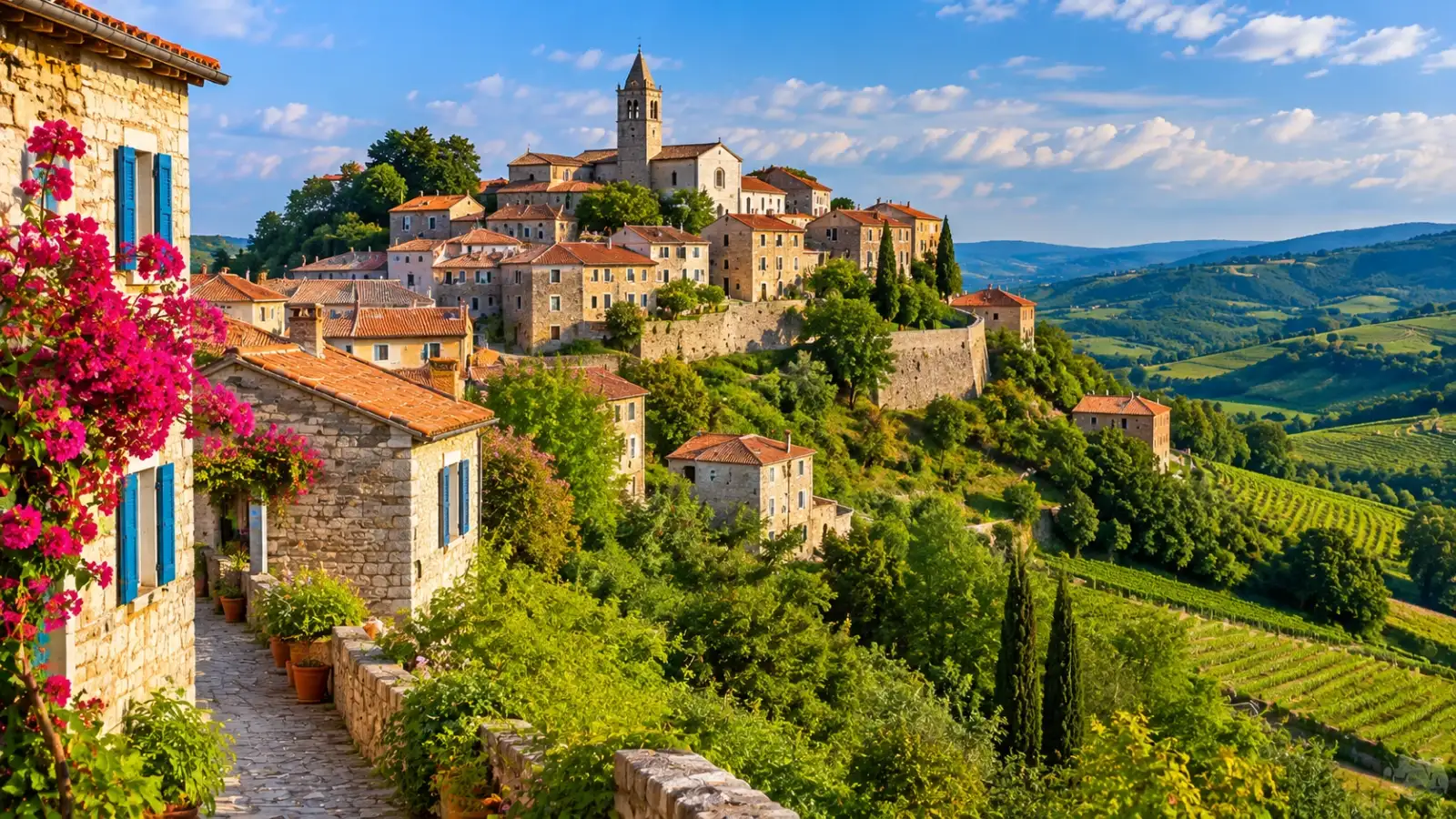
The village is particularly famous for its truffles, which are found in the surrounding forests. Local restaurants often feature truffle-based dishes, making Motovun an interesting destination for travellers who enjoy regional cuisine. Its elevated position also provides beautiful views of vineyards and green valleys.
During warmer months, the settlement becomes especially lively with cultural events and musical performances. Visitors can explore local artwork, browse handmade products and enjoy the relaxed atmosphere of its cafés. Grožnjan is a wonderful choice for travellers interested in culture and traditional architecture.
The village is sometimes described as a miniature version of the famous Plitvice Lakes area because of its water features. Visitors can enjoy scenic walks, photograph the waterfalls and learn about the traditional watermills that once supported local life.
Narrow streets lead towards the Church of St George, which stands on the highest point of the old town. The surrounding vineyards are also notable for their distinctive dry-stone walls and traditional cultivation methods. Visitors can combine heritage walks with seaside relaxation.
One of its most interesting features is Klančić, often described as one of the narrowest streets in the world. Vrbnik is also famous for its local Žlahtina white wine, produced from grapes grown in the surrounding area. Its combination of coastal views, history and food traditions makes it worth exploring.
The village has a long history, with buildings that reflect traditional island architecture. Below the settlement lies a beautiful beach, although reaching it involves a steep walk. Lubenice is particularly appealing to travellers looking for peaceful surroundings and impressive natural scenery.
The village is home to the Museum of the Island of Brač, where visitors can learn about local history, stone masonry and traditional island life. Travellers interested in heritage and architecture will find Škrip a rewarding stop while exploring Brač.
The village itself has a peaceful atmosphere, traditional stone architecture and views of the surrounding coastline. It is an excellent destination for travellers who enjoy gardens, nature and history.
Despite its size, Hum has a distinctive cultural identity and is associated with the Glagolitic script, an early Slavic writing system. Visitors can explore its historic streets, enjoy local Istrian food and discover a quieter side of the region.
The Museum of Wooden Shipbuilding offers insight into traditional craftsmanship and the importance of boatbuilding in the region. Visitors can also explore nearby beaches, enjoy seafood-free local vegetarian dishes and take in the relaxed coastal atmosphere.
July and August are ideal for travellers who enjoy warm beach weather, although coastal villages can become busy. Inland settlements may offer a different experience, with cooler evenings and opportunities to explore local food and countryside landscapes.
Croatia's villages offer a different perspective on the country's beauty and cultural identity. From the artistic streets of Grožnjan and the waterfalls of Rastoke to the coastal charm of Primošten and the historic lanes of Hum, each settlement has something distinctive to offer. Exploring these smaller destinations allows travellers to experience Croatia beyond its famous cities and discover the traditions, landscapes and everyday life that make the country special.
1. Motovun, Istria
Motovun is a picturesque hilltop settlement in the Istrian region, known for its medieval appearance and panoramic countryside views. Its stone buildings, narrow lanes and historic defensive walls create an atmosphere that feels connected to another era.The village is particularly famous for its truffles, which are found in the surrounding forests. Local restaurants often feature truffle-based dishes, making Motovun an interesting destination for travellers who enjoy regional cuisine. Its elevated position also provides beautiful views of vineyards and green valleys.
2. Grožnjan, Istria
Grožnjan is often associated with art, music and creative communities. This small hilltop village has stone streets, historic houses and charming squares filled with galleries and workshops.During warmer months, the settlement becomes especially lively with cultural events and musical performances. Visitors can explore local artwork, browse handmade products and enjoy the relaxed atmosphere of its cafés. Grožnjan is a wonderful choice for travellers interested in culture and traditional architecture.
3. Rastoke, Slunj
Rastoke is a beautiful settlement near the town of Slunj, famous for its waterfalls, flowing streams and traditional wooden houses. It is situated where the Slunjčica River meets the Korana River, creating a landscape filled with small cascades and natural pools.The village is sometimes described as a miniature version of the famous Plitvice Lakes area because of its water features. Visitors can enjoy scenic walks, photograph the waterfalls and learn about the traditional watermills that once supported local life.
4. Primošten, Dalmatia
Primošten is a coastal settlement in Dalmatia, recognised for its old town, beautiful beaches and traditional stone architecture. Its historic centre sits on a small peninsula surrounded by the Adriatic Sea.Narrow streets lead towards the Church of St George, which stands on the highest point of the old town. The surrounding vineyards are also notable for their distinctive dry-stone walls and traditional cultivation methods. Visitors can combine heritage walks with seaside relaxation.
5. Vrbnik, Krk Island
Vrbnik is a historic village located on the eastern coast of Krk Island. Built on a rocky cliff overlooking the Adriatic Sea, it is known for its narrow stone lanes and traditional houses.One of its most interesting features is Klančić, often described as one of the narrowest streets in the world. Vrbnik is also famous for its local Žlahtina white wine, produced from grapes grown in the surrounding area. Its combination of coastal views, history and food traditions makes it worth exploring.
6. Lubenice, Cres Island
Lubenice is a small settlement perched high above the Adriatic Sea on Cres Island. Its stone houses, quiet lanes and dramatic coastal views give it a distinctive character.The village has a long history, with buildings that reflect traditional island architecture. Below the settlement lies a beautiful beach, although reaching it involves a steep walk. Lubenice is particularly appealing to travellers looking for peaceful surroundings and impressive natural scenery.
7. Škrip, Brač Island
Škrip is considered the oldest settlement on Brač Island and offers an interesting glimpse into the island's past. Its traditional stone houses, historic buildings and quiet surroundings create a relaxed atmosphere.You may also like
- UP woman: fatal injection at government health centre, what sparked the tragedy?
- Government spending on health has increased, easing the financial burden of medical treatment on the public..
- Inflation has heightened the RBI's concerns; EMIs for home and car loans may see another increase..
- Are You Training for Long-Term Fitness or Just Short-Term Results?
- Lesser-known ways of reusing Carrot peels in day-to-day cooking
The village is home to the Museum of the Island of Brač, where visitors can learn about local history, stone masonry and traditional island life. Travellers interested in heritage and architecture will find Škrip a rewarding stop while exploring Brač.
8. Trsteno, Near Dubrovnik
Trsteno is a small coastal settlement north-west of Dubrovnik, best known for its historic Arboretum. The Trsteno Arboretum is among the oldest Renaissance gardens in this part of Europe and features Mediterranean plants, historic pathways and impressive old trees.The village itself has a peaceful atmosphere, traditional stone architecture and views of the surrounding coastline. It is an excellent destination for travellers who enjoy gardens, nature and history.
9. Hum, Istria
Hum is a tiny historic settlement in central Istria that is often promoted as one of the world's smallest towns. Its compact layout includes stone houses, narrow lanes, a small square and historic churches.Despite its size, Hum has a distinctive cultural identity and is associated with the Glagolitic script, an early Slavic writing system. Visitors can explore its historic streets, enjoy local Istrian food and discover a quieter side of the region.
10. Betina, Murter Island
Betina is a charming settlement on Murter Island, known for its maritime heritage and traditional wooden boatbuilding. Its waterfront is lined with stone houses, small harbours and boats that reflect the village's close relationship with the sea.The Museum of Wooden Shipbuilding offers insight into traditional craftsmanship and the importance of boatbuilding in the region. Visitors can also explore nearby beaches, enjoy seafood-free local vegetarian dishes and take in the relaxed coastal atmosphere.
Best Time to Visit Croatia's Villages
The months from May to June and September to early October are generally pleasant for exploring Croatia's villages. The weather is often suitable for walking, sightseeing and enjoying outdoor cafés, while many popular coastal areas are less crowded than during the peak summer holiday period.July and August are ideal for travellers who enjoy warm beach weather, although coastal villages can become busy. Inland settlements may offer a different experience, with cooler evenings and opportunities to explore local food and countryside landscapes.
Croatia's villages offer a different perspective on the country's beauty and cultural identity. From the artistic streets of Grožnjan and the waterfalls of Rastoke to the coastal charm of Primošten and the historic lanes of Hum, each settlement has something distinctive to offer. Exploring these smaller destinations allows travellers to experience Croatia beyond its famous cities and discover the traditions, landscapes and everyday life that make the country special.






Loving Newspoint? Download the app now
