
Beetroot Side Effects: Hidden Risks of Beetroot You Must Know Before Eating It Daily

Beetroot side effects are often overlooked as this bright and nutritious vegetable is widely seen as a health booster. While beetroot does offer several benefits, consuming it excessively or at the wrong time can lead to unwanted health issues. From kidney problems to sudden drops in blood pressure, it is important to understand both sides before making it a daily habit.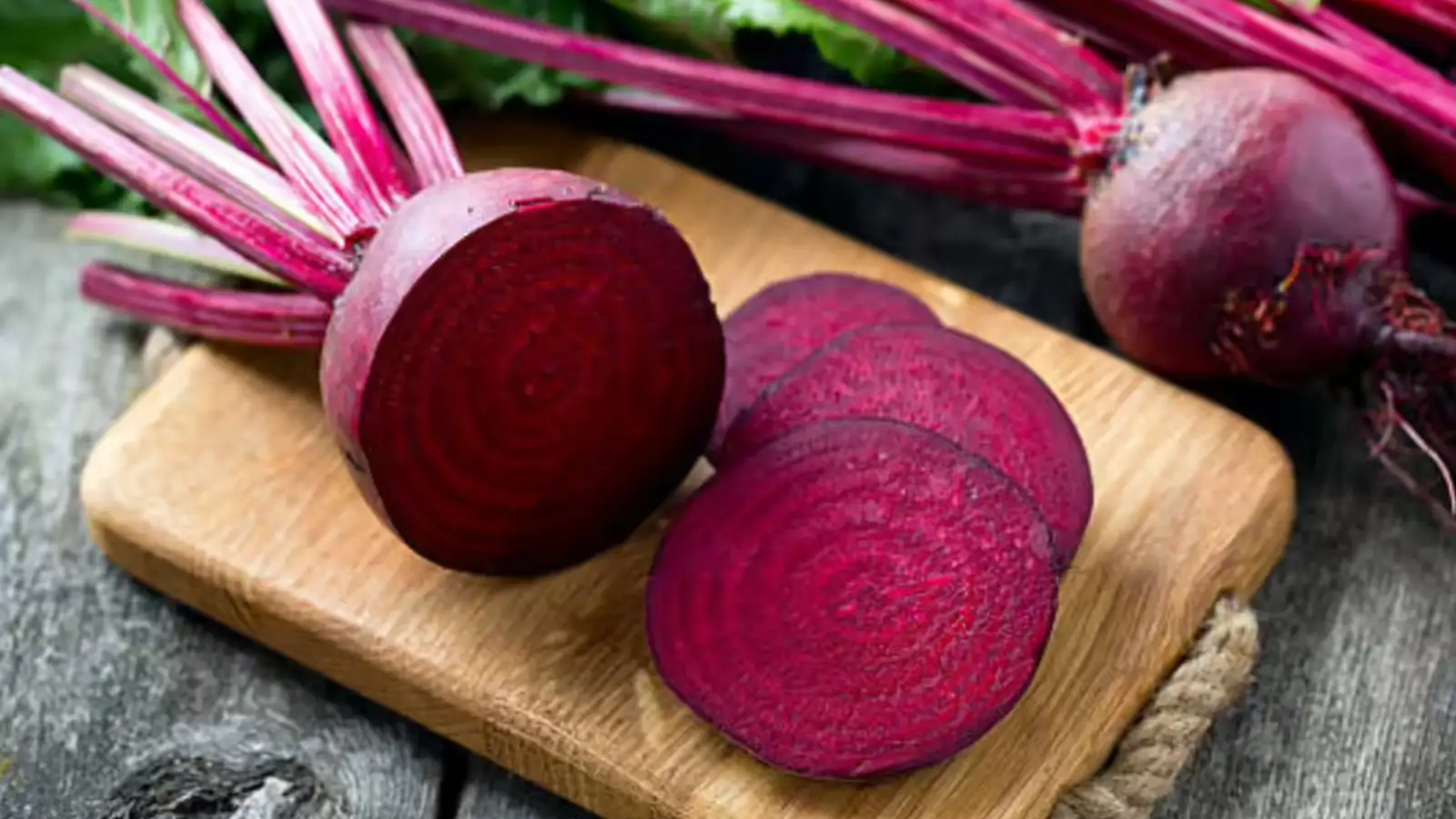
Why Understanding Beetroot Risks Matters
Beetroot is often labelled a superfood, but that doesn’t mean it is risk-free. Eating it in large amounts or without proper awareness can negatively impact your body.
Overconsumption may affect key organs like the liver and kidneys, while also causing digestive discomfort. Many people consume beetroot daily to improve iron levels, without realising that excess intake can disturb the body’s natural balance. Even healthy foods require moderation and awareness.
The Truth About Beetroot and Iron Levels
Beetroot is commonly believed to help fight iron deficiency, especially among women and young adults. However, this belief is somewhat misleading.
Beetroot does contain iron, but in small amounts, and the body does not absorb it efficiently. In comparison, iron from leafy vegetables and vitamin C-rich fruits is far more effective. Depending only on beetroot for improving iron levels may not give the desired results.
Beetroot Side Effects You Should Not Ignore
Kidney Health and Oxalate Levels
Beetroot contains a high amount of oxalates. When consumed in excess, these compounds can bind with calcium and contribute to the formation of kidney stones. This makes it risky for people who already have kidney-related concerns.
Risk for People with Low Blood Pressure
Beetroot naturally helps in lowering blood pressure. While this can be beneficial for some, it can be harmful for those who already have low blood pressure.
It may lead to dizziness, weakness, or even fainting if consumed in large quantities.
Possible Impact on Liver Function
Beetroot is rich in nitrates, which the liver needs to process. When consumed excessively, these nitrates may put extra strain on the liver and could lead to inflammation over time.
Unexpected Colour Changes
One noticeable effect of eating too much beetroot is a change in the colour of urine or stool. It may appear pink or reddish.
This condition is usually harmless, but it can be alarming and might cause people to overlook other serious symptoms.
Who Should Be More Careful?
Some individuals need to be particularly cautious while consuming beetroot. This includes:
If you fall into any of these categories, it is best to consult a doctor before adding beetroot to your regular diet.
How to Consume Beetroot Safely
To enjoy the benefits of beetroot without facing its side effects, it is important to follow a balanced approach.
These simple steps can help reduce potential risks while still allowing you to benefit from its nutrients.
Beetroot Benefits vs Risks: Striking the Right Balance
Beetroot is rich in fibre, antioxidants, folic acid, and vitamin C, all of which support overall health. However, treating it as a miracle food and consuming it excessively can lead to more harm than good. The key lies in balance. No single food can replace a well-rounded diet.
Beetroot can certainly be a healthy addition to your meals, but only when consumed wisely. Being aware of beetroot side effects helps you avoid unnecessary health issues and make better dietary choices.
The next time you reach for beetroot juice or salad, remember that the real benefit lies not just in eating it - but in eating it right.
Why Understanding Beetroot Risks Matters
Beetroot is often labelled a superfood, but that doesn’t mean it is risk-free. Eating it in large amounts or without proper awareness can negatively impact your body.
Overconsumption may affect key organs like the liver and kidneys, while also causing digestive discomfort. Many people consume beetroot daily to improve iron levels, without realising that excess intake can disturb the body’s natural balance. Even healthy foods require moderation and awareness.
The Truth About Beetroot and Iron Levels
Beetroot is commonly believed to help fight iron deficiency, especially among women and young adults. However, this belief is somewhat misleading.
Beetroot does contain iron, but in small amounts, and the body does not absorb it efficiently. In comparison, iron from leafy vegetables and vitamin C-rich fruits is far more effective. Depending only on beetroot for improving iron levels may not give the desired results.
Beetroot Side Effects You Should Not Ignore
Kidney Health and Oxalate Levels
Beetroot contains a high amount of oxalates. When consumed in excess, these compounds can bind with calcium and contribute to the formation of kidney stones. This makes it risky for people who already have kidney-related concerns.
Risk for People with Low Blood Pressure
Beetroot naturally helps in lowering blood pressure. While this can be beneficial for some, it can be harmful for those who already have low blood pressure.
It may lead to dizziness, weakness, or even fainting if consumed in large quantities.
Possible Impact on Liver Function
Beetroot is rich in nitrates, which the liver needs to process. When consumed excessively, these nitrates may put extra strain on the liver and could lead to inflammation over time.
Unexpected Colour Changes
One noticeable effect of eating too much beetroot is a change in the colour of urine or stool. It may appear pink or reddish.
This condition is usually harmless, but it can be alarming and might cause people to overlook other serious symptoms.
Who Should Be More Careful?
Some individuals need to be particularly cautious while consuming beetroot. This includes:
- People with low blood pressure
- Individuals with kidney stones or kidney issues
- Those with liver-related conditions
- Pregnant women
- Children and elderly individuals
If you fall into any of these categories, it is best to consult a doctor before adding beetroot to your regular diet.
How to Consume Beetroot Safely
To enjoy the benefits of beetroot without facing its side effects, it is important to follow a balanced approach.
- Limit intake to about half a cup per day
- Avoid eating beetroot on an empty stomach
- Prefer whole beetroot or salads over juice
- Boil it to reduce oxalate content
- Consume it only 2–3 times a week instead of daily
These simple steps can help reduce potential risks while still allowing you to benefit from its nutrients.
Beetroot Benefits vs Risks: Striking the Right Balance
Beetroot is rich in fibre, antioxidants, folic acid, and vitamin C, all of which support overall health. However, treating it as a miracle food and consuming it excessively can lead to more harm than good. The key lies in balance. No single food can replace a well-rounded diet.
Beetroot can certainly be a healthy addition to your meals, but only when consumed wisely. Being aware of beetroot side effects helps you avoid unnecessary health issues and make better dietary choices.
The next time you reach for beetroot juice or salad, remember that the real benefit lies not just in eating it - but in eating it right.
Next Story