
Why Is Amla Called a Winter Superfood? Explore 8 Benefits of This Indian Fruit

Fresh amla, also known as Indian gooseberry, is a popular seasonal fruit in India, particularly during the winter months. Its distinctive sour and slightly bitter taste makes it different from many other fruits, while its nutritional value has earned it an important place in traditional Indian diets. Amla is especially known for its vitamin C content and naturally occurring plant compounds. It can be eaten fresh, added to salads or used in homemade chutneys and other preparations. Including this fruit in a varied diet is a simple way to enjoy seasonal produce. Here are eight potential benefits of eating fresh amla during winter.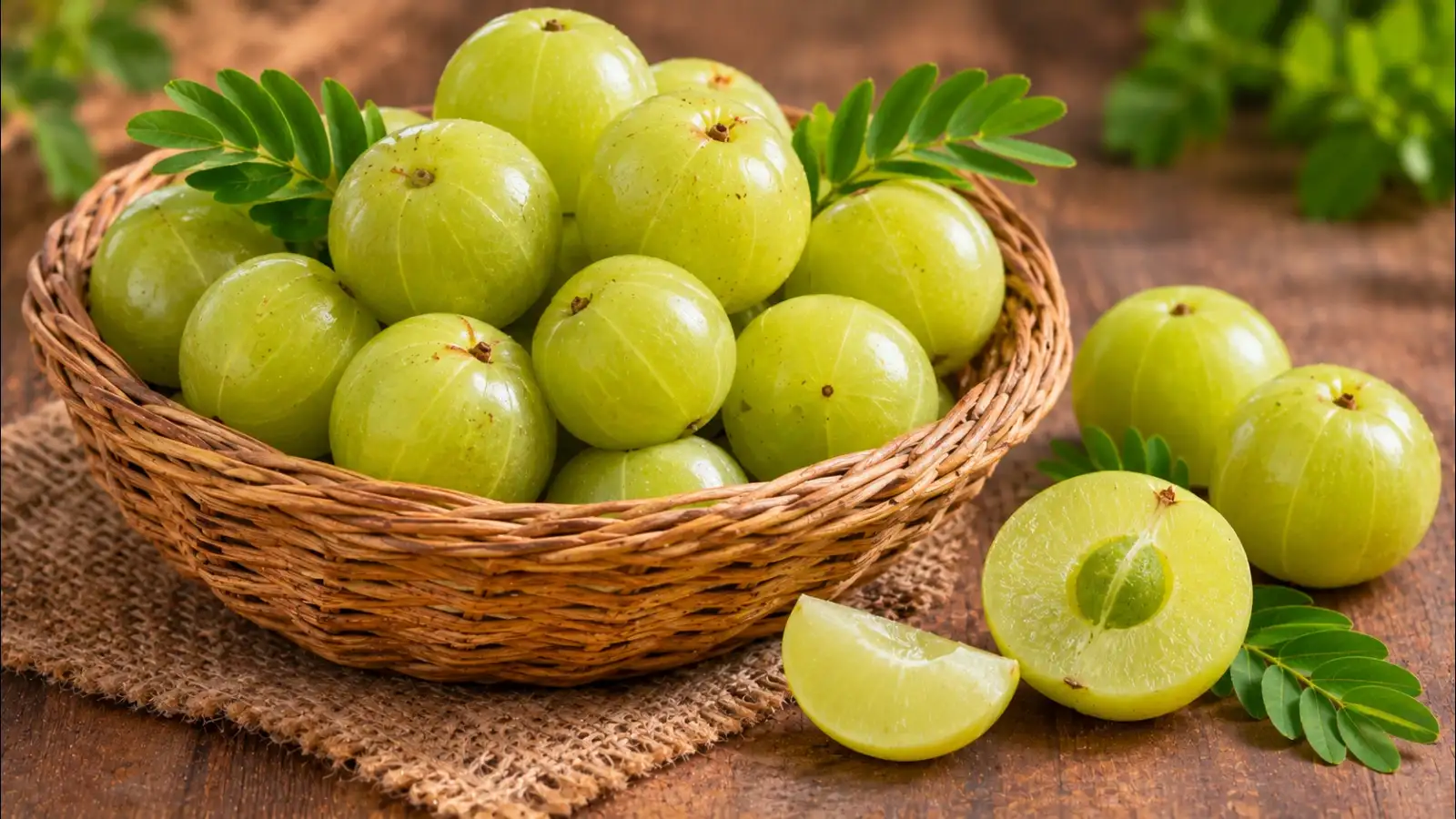
Vitamin C also helps the body absorb non-haem iron from plant-based foods. Adding fresh amla to meals that contain lentils, beans or leafy vegetables can therefore be a useful dietary combination.
Its combination of vitamin C and other naturally occurring compounds makes amla a nutritious addition to a balanced diet. However, eating amla alone cannot prevent diseases or replace a varied eating pattern.
You can eat fresh amla in small pieces or combine it with other ingredients to make chutney. Eating the whole fruit rather than drinking only strained juice helps retain its fibre.
Its antioxidant compounds are also being studied for their potential role in protecting cells from oxidative damage. However, eating amla should not be considered a treatment for skin conditions or a replacement for regular skincare.
Vitamin C can improve the absorption of non-haem iron when consumed in the same meal. Adding fresh amla to a lunch containing dal, chickpeas or leafy greens can therefore be a practical dietary choice.
You can add chopped amla to vegetable salads, mix it into homemade chutneys or enjoy it as a small snack. Combining it with other fibre-rich foods such as oats, fruits and vegetables can help increase your overall daily fibre intake.
Instead of relying frequently on packaged snacks with added salt or sugar, you can enjoy fresh amla with a little black pepper or combine it with cucumber and carrots. Its strong sour flavour also means that a small quantity can add plenty of taste to a meal.
You can prepare fresh amla chutney, add finely chopped pieces to salads or include it in homemade vegetable dishes. It can also be used to prepare traditional amla rice and other regional recipes. These preparations make it easier to include seasonal fruit in everyday meals.
Fresh amla is a seasonal fruit that offers vitamin C, dietary fibre and several naturally occurring plant compounds. These nutrients contribute to normal immune function, digestion, collagen production and the absorption of iron from plant-based foods. Its versatility also makes it easy to include in chutneys, salads and traditional Indian recipes. Rather than treating it as a miracle food, consider amla one part of a varied winter diet that includes different fruits, vegetables, whole grains and protein-rich foods.
1. Provides a Good Amount of Vitamin C
One of the best-known nutritional qualities of amla is its vitamin C content. This essential nutrient supports normal immune function, helps the body produce collagen and contributes to healthy skin, blood vessels and connective tissues.Vitamin C also helps the body absorb non-haem iron from plant-based foods. Adding fresh amla to meals that contain lentils, beans or leafy vegetables can therefore be a useful dietary combination.
2. Contains Natural Antioxidants
Amla contains several plant compounds, including polyphenols and flavonoids, which have antioxidant properties. These compounds help protect cells against oxidative stress caused by unstable molecules known as free radicals.Its combination of vitamin C and other naturally occurring compounds makes amla a nutritious addition to a balanced diet. However, eating amla alone cannot prevent diseases or replace a varied eating pattern.
3. Supports Digestive Health
Fresh amla provides dietary fibre, which contributes to normal digestion and helps maintain regular bowel movements. Fibre also supports a healthy digestive system when consumed as part of a diet containing different fruits, vegetables and whole grains.You can eat fresh amla in small pieces or combine it with other ingredients to make chutney. Eating the whole fruit rather than drinking only strained juice helps retain its fibre.
4. Contributes to Healthy Skin
Vitamin C plays an important role in collagen production, a protein that helps maintain the structure of skin and other connective tissues. Since amla contains vitamin C, it can contribute to normal skin health when included in a balanced diet.Its antioxidant compounds are also being studied for their potential role in protecting cells from oxidative damage. However, eating amla should not be considered a treatment for skin conditions or a replacement for regular skincare.
5. Helps Improve Iron Absorption From Plant Foods
People who follow vegetarian diets often obtain iron from foods such as lentils, beans, spinach and other leafy vegetables. The body generally absorbs plant-based iron less efficiently than the iron found in some animal foods.Vitamin C can improve the absorption of non-haem iron when consumed in the same meal. Adding fresh amla to a lunch containing dal, chickpeas or leafy greens can therefore be a practical dietary choice.
6. Adds Fibre to Your Daily Diet
Fibre is important for digestive health and can also help you feel satisfied after meals. Fresh amla contributes a small amount of dietary fibre, particularly when consumed whole.You can add chopped amla to vegetable salads, mix it into homemade chutneys or enjoy it as a small snack. Combining it with other fibre-rich foods such as oats, fruits and vegetables can help increase your overall daily fibre intake.
7. Provides a Low-Calorie Seasonal Snack
Fresh amla is relatively low in calories, making it a convenient option for people who want variety in their everyday snack choices.You may also like
- 6 Key EPFO Changes That Will Impact Your Life: From Job Loss to Retirement—Know the Benefits
- Vastu Shastra: Hang these 5 paintings in your home, your luck will shine and happiness and prosperity will come to your home
- Jason Statham swapped Hollywood and Los Angeles for a quieter family life in the English countryside; his partner Rosie says their children now enjoy the same farm experiences she had growing up
- From immersive RPGs to AI-powered games, creator-led innovation takes centre stage
- Rotoris to Rolex: A sneak-peek of Saif Ali Khan's love for watches
Instead of relying frequently on packaged snacks with added salt or sugar, you can enjoy fresh amla with a little black pepper or combine it with cucumber and carrots. Its strong sour flavour also means that a small quantity can add plenty of taste to a meal.
8. Adds Variety to Winter Meals
Amla is a versatile ingredient that can be used in several Indian preparations. Its sour taste works well with vegetables, spices and other seasonal ingredients.You can prepare fresh amla chutney, add finely chopped pieces to salads or include it in homemade vegetable dishes. It can also be used to prepare traditional amla rice and other regional recipes. These preparations make it easier to include seasonal fruit in everyday meals.
Easy Ways to Include Fresh Amla in Your Winter Diet
If the sour taste of fresh amla feels too strong, try these simple ways to enjoy it:- Eat a few fresh slices with a pinch of black salt.
- Prepare homemade amla and coriander chutney.
- Add chopped amla to cucumber and carrot salad.
- Mix grated amla into vegetable raita.
- Include small pieces in homemade poha or rice preparations.
- Combine it with ginger and mint for a refreshing homemade drink without excessive added sugar.
Precautions to Keep in Mind
Fresh amla is a nutritious fruit, but it may not suit everyone in the same way. Its sour taste can cause discomfort for some people with acidity or a sensitive stomach. People with specific medical conditions or those taking regular medication should seek professional advice if they plan to consume concentrated amla supplements regularly. Fresh fruit in normal food portions is different from high-dose extracts.Fresh amla is a seasonal fruit that offers vitamin C, dietary fibre and several naturally occurring plant compounds. These nutrients contribute to normal immune function, digestion, collagen production and the absorption of iron from plant-based foods. Its versatility also makes it easy to include in chutneys, salads and traditional Indian recipes. Rather than treating it as a miracle food, consider amla one part of a varied winter diet that includes different fruits, vegetables, whole grains and protein-rich foods.






Loving Newspoint? Download the app now
