
Why You Should Add Homemade Sprouts to Your Daily Diet: 8 Health Benefits Explained

Fresh sprouts are a simple and affordable way to add more plant-based nutrition to everyday meals. Made by soaking and germinating seeds, pulses or whole grains, they are commonly prepared in Indian households using moong beans, chickpeas, moth beans and lentils. Sprouts are popular in breakfast bowls, salads, chaats and light snacks because of their crunchy texture and fresh flavour. The germination process also changes the nutritional composition of these ingredients, making certain nutrients more available. When prepared and stored safely, homemade sprouts can become a useful addition to a balanced vegetarian diet.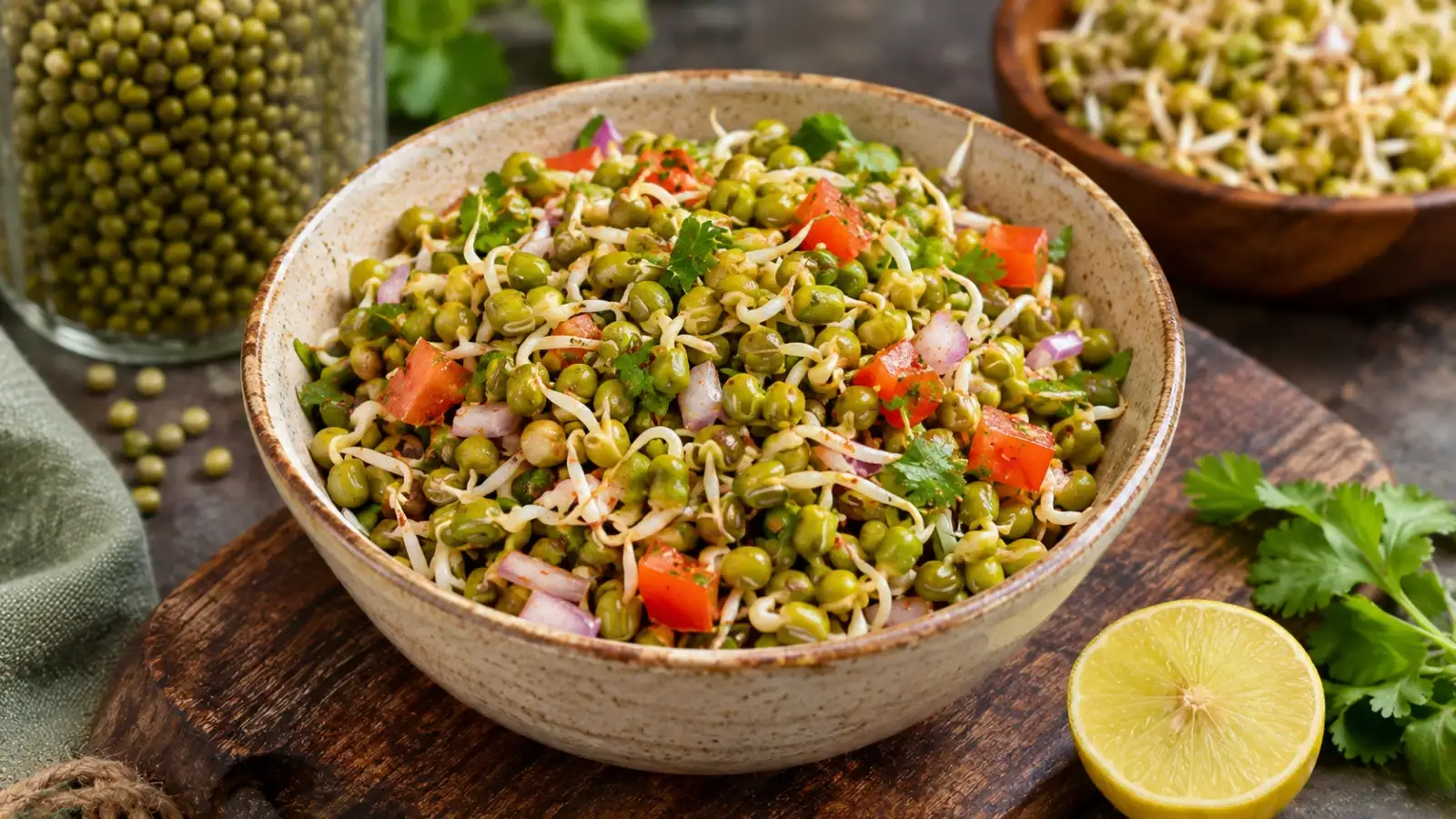
Including them in breakfast or lunch can help increase the protein content of everyday meals. For a more balanced combination, sprouts can be paired with curd, paneer, nuts or whole grains.
Germination can also reduce certain compounds, such as phytates, that interfere with the absorption of some minerals. However, sprouts may cause gas or bloating in some people, particularly when eaten in large quantities or without proper cooking.
For example, germinated legumes can develop higher levels of certain vitamins compared with their dry forms. This makes sprouts a useful way to add nutritional variety to everyday meals.
Lower phytate levels may improve the body's ability to absorb minerals such as iron and zinc. However, the extent of this change varies depending on the ingredient and germination method.
A bowl of lightly cooked moong sprouts with cucumber, tomato, lemon juice and spices can work as a satisfying snack. Their nutritional value makes them useful in balanced meals, although no single food directly causes weight loss.
Eating more pulses, vegetables, fruits and whole grains while limiting excessive salt and highly processed foods is generally beneficial for cardiovascular health. Sprouts can be included as one part of this broader dietary approach.
They can be added to vegetable salads, sandwiches, poha, upma, chaats and homemade cutlets. This makes them an affordable ingredient for people looking to add variety to vegetarian meals.
Popular options include:
1. A Good Source of Plant-Based Protein
Sprouts made from moong beans, chickpeas and lentils provide plant-based protein, which supports muscle maintenance, tissue repair and several important body functions.Including them in breakfast or lunch can help increase the protein content of everyday meals. For a more balanced combination, sprouts can be paired with curd, paneer, nuts or whole grains.
2. May Support Better Digestion
Sprouts contain dietary fibre, which helps support regular bowel movements and normal digestive function.Germination can also reduce certain compounds, such as phytates, that interfere with the absorption of some minerals. However, sprouts may cause gas or bloating in some people, particularly when eaten in large quantities or without proper cooking.
3. Provide Essential Vitamins and Minerals
Sprouts can contribute several important nutrients, including folate, vitamin C, iron and potassium. The exact nutritional content depends on the seed or pulse being germinated and the growing conditions.For example, germinated legumes can develop higher levels of certain vitamins compared with their dry forms. This makes sprouts a useful way to add nutritional variety to everyday meals.
4. May Improve the Availability of Certain Nutrients
The germination process activates enzymes that break down some stored food components. This can reduce levels of antinutrients such as phytates in certain legumes and grains.Lower phytate levels may improve the body's ability to absorb minerals such as iron and zinc. However, the extent of this change varies depending on the ingredient and germination method.
You may also like
- AI Healthcare: The Rise of AI Platforms in Indian Healthcare Sector
- Priyanka Chopra's Diwali gown took over 2,200 hours of embroidery, according to its designer, who blended Kashmiri aari and zardozi with Sindhi craft details in an outfit inspired by Indian architectural heritage
- Two New Vande Bharat Trains for the Nation: Which Routes Will They Serve and When Will They Begin?
- Know the Limits: How Much Cash Can You Withdraw from a Post Office ATM in a Day?
- Ration Card Complaint 2026: Not getting your ration or is the dealer making a mistake? Now you can complain to officials on Webex
5. A Convenient Addition to Weight-Conscious Meals
Sprouts can make meals more filling because they provide a combination of protein, fibre and water.A bowl of lightly cooked moong sprouts with cucumber, tomato, lemon juice and spices can work as a satisfying snack. Their nutritional value makes them useful in balanced meals, although no single food directly causes weight loss.
6. Support Overall Heart Health
Legume-based sprouts provide fibre and plant compounds that can contribute to a heart-friendly eating pattern.Eating more pulses, vegetables, fruits and whole grains while limiting excessive salt and highly processed foods is generally beneficial for cardiovascular health. Sprouts can be included as one part of this broader dietary approach.
7. Easy to Prepare With Everyday Ingredients
One of the biggest advantages of homemade sprouts is that they require very few ingredients. Moong beans, chickpeas, moth beans and whole lentils can all be germinated at home using basic kitchen equipment.They can be added to vegetable salads, sandwiches, poha, upma, chaats and homemade cutlets. This makes them an affordable ingredient for people looking to add variety to vegetarian meals.
8. Can Be Used in Several Indian Recipes
Fresh sprouts are versatile and can be included in different regional preparations. Their mild flavour allows them to absorb spices, herbs and seasonings easily.Popular options include:
- Moong sprouts chaat: Toss sprouts with onion, tomato, coriander, lemon juice and chaat masala.
- Sprouts poha: Add lightly cooked sprouts to poha for extra texture and nutrients.
- Sprouts usal: Prepare a Maharashtrian-style curry using sprouted moth beans or other legumes.
- Sprouts pulao: Mix cooked sprouts with rice, vegetables and mild spices.
- Sprouts paratha: Use a cooked and mashed sprouts mixture as a nutritious stuffing.
How to Prepare and Store Homemade Sprouts Safely
Although sprouts are nutritious, raw and lightly cooked sprouts can carry harmful bacteria, including Salmonella and E. coli. Warm and moist germination conditions can encourage bacterial growth, making food safety particularly important.- Wash your hands and use clean utensils before handling seeds.
- Rinse seeds thoroughly and soak them in clean drinking water.
- Use a clean container and rinse the seeds regularly during germination.
- Refrigerate finished sprouts promptly and keep them properly covered.
- Avoid sprouts that smell unpleasant, feel slimy or show signs of spoilage.
- Cook sprouts thoroughly, especially when serving children, older adults, pregnant women or people with weakened immune systems.






Loving Newspoint? Download the app now
