
Why You Should Include Muesli in Your Daily Diet

Muesli is a popular breakfast option made with a combination of rolled oats, nuts, seeds and dried fruits. It offers a convenient way to include whole grains, fibre and other essential nutrients in your daily diet. Whether served with milk, yoghurt or a plant-based alternative, muesli can be adapted to suit different tastes and dietary preferences. When chosen carefully, it can support digestive health, provide sustained energy and contribute to a balanced eating routine.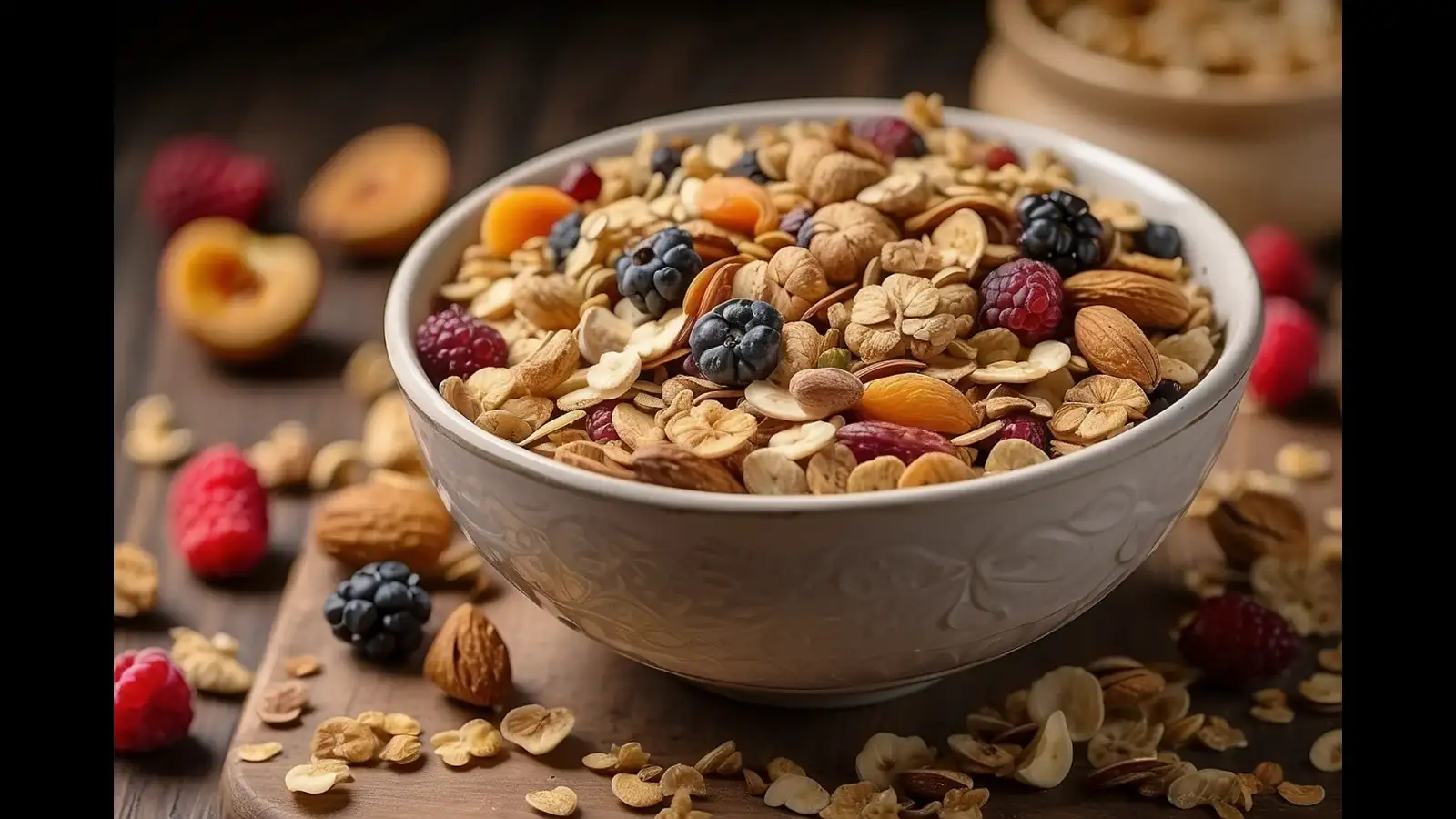
Oats contain soluble fibre, including beta-glucan, while ingredients such as nuts, seeds and whole grains contribute other types of fibre. Eating enough fibre as part of a balanced diet can help prevent constipation and support a healthy gut.
For the best results, choose muesli containing whole grains and introduce fibre-rich foods gradually, especially if your usual diet is low in fibre. Drinking enough water is also important.
Adding milk or yoghurt can increase the protein content and make the breakfast more balanced. Nuts and seeds also contribute healthy unsaturated fats and additional nutrients.
Instead of choosing a breakfast high in added sugar, consider plain muesli with fresh fruit and milk or unsweetened yoghurt. This combination can help provide a steady source of energy throughout the morning.
However, not all muesli products have the same nutritional value. Some packaged varieties contain added sugar, chocolate, sweetened fruit or other calorie-dense ingredients.
To make a balanced choice, look for muesli with whole grains, nuts and seeds, and check the nutrition label for added sugars. Pair it with fresh fruit and an appropriate serving of milk or yoghurt. Remember that muesli alone does not cause weight loss; overall food intake and physical activity also matter.
Nuts and seeds provide unsaturated fats, which can be beneficial when they replace foods high in saturated fats. Some varieties also contain minerals such as magnesium, which plays several important roles in the body.
For potential heart-health benefits, choose a muesli rich in oats, whole grains, nuts and seeds. Avoid relying on heavily sweetened varieties, and remember that overall dietary habits are more important than any single food.
Dried fruits may add potassium and small amounts of other vitamins and minerals, although their nutrient content varies. Fresh fruits served with muesli can contribute vitamin C, potassium and additional fibre.
The exact nutritional value depends on the ingredients and serving size. Reading the product label can help you compare options and select a variety that complements your regular diet.
Regularly eating whole grains as part of a varied diet is associated with several health benefits, including better digestive health and a lower risk of certain chronic diseases.
When shopping for muesli, check the ingredient list to ensure that whole grains are among the main ingredients. Products made mostly from refined grains or containing large amounts of added sugar may offer fewer advantages.
You can enjoy muesli in several ways:
However, some packaged muesli products contain significant amounts of added sugar, honey or sweetened dried fruits. These ingredients can increase the carbohydrate and sugar content of a serving.
If you are managing blood sugar levels, choose a low-added-sugar variety, pay attention to portion sizes and pair it with a source of protein. People with diabetes should consider their individual dietary needs and seek personalised advice from a qualified healthcare professional when necessary.
Check the packaging for serving-size and nutrition information. You can adjust the portion according to your hunger and nutritional requirements, adding milk or yoghurt and fresh fruit to make a more complete meal.
It is also worth checking the sugar and calorie content, particularly if you are choosing flavoured or packaged varieties.
1. Supports Healthy Digestion
One of the main benefits of muesli is its fibre content. Rolled oats, nuts, seeds and dried fruits can provide dietary fibre, which helps support regular bowel movements and overall digestive health.Oats contain soluble fibre, including beta-glucan, while ingredients such as nuts, seeds and whole grains contribute other types of fibre. Eating enough fibre as part of a balanced diet can help prevent constipation and support a healthy gut.
For the best results, choose muesli containing whole grains and introduce fibre-rich foods gradually, especially if your usual diet is low in fibre. Drinking enough water is also important.
2. Provides Energy to Start the Day
Muesli can be a practical breakfast choice because it combines carbohydrates, fibre, fats and, depending on the ingredients, protein. Carbohydrates provide energy for everyday activities, while fibre and fats can help make a meal more satisfying.Adding milk or yoghurt can increase the protein content and make the breakfast more balanced. Nuts and seeds also contribute healthy unsaturated fats and additional nutrients.
Instead of choosing a breakfast high in added sugar, consider plain muesli with fresh fruit and milk or unsweetened yoghurt. This combination can help provide a steady source of energy throughout the morning.
3. May Support Weight Management
Muesli can fit into a weight-management plan because its fibre content may help you feel full for longer. A satisfying breakfast can make it easier to manage hunger between meals, although its effects depend on portion size, ingredients and the rest of your diet.However, not all muesli products have the same nutritional value. Some packaged varieties contain added sugar, chocolate, sweetened fruit or other calorie-dense ingredients.
To make a balanced choice, look for muesli with whole grains, nuts and seeds, and check the nutrition label for added sugars. Pair it with fresh fruit and an appropriate serving of milk or yoghurt. Remember that muesli alone does not cause weight loss; overall food intake and physical activity also matter.
4. Contributes to Heart Health
Oats, nuts and seeds contain nutrients that can support heart health when included in a balanced diet. In particular, beta-glucan, a type of soluble fibre found in oats, can help lower LDL cholesterol when consumed in sufficient amounts as part of a healthy eating pattern.Nuts and seeds provide unsaturated fats, which can be beneficial when they replace foods high in saturated fats. Some varieties also contain minerals such as magnesium, which plays several important roles in the body.
For potential heart-health benefits, choose a muesli rich in oats, whole grains, nuts and seeds. Avoid relying on heavily sweetened varieties, and remember that overall dietary habits are more important than any single food.
5. Supplies Important Vitamins and Minerals
Muesli can provide several essential nutrients, depending on its ingredients. Oats contribute minerals such as manganese, magnesium and phosphorus, while nuts and seeds can supply vitamin E, magnesium and other nutrients.Dried fruits may add potassium and small amounts of other vitamins and minerals, although their nutrient content varies. Fresh fruits served with muesli can contribute vitamin C, potassium and additional fibre.
The exact nutritional value depends on the ingredients and serving size. Reading the product label can help you compare options and select a variety that complements your regular diet.
6. Helps Increase Whole-Grain Intake
Whole grains are an important part of a balanced diet because they provide fibre, vitamins, minerals and other beneficial compounds. Muesli made primarily from whole-grain oats and other whole grains can make it easier to include these foods in everyday meals.Regularly eating whole grains as part of a varied diet is associated with several health benefits, including better digestive health and a lower risk of certain chronic diseases.
When shopping for muesli, check the ingredient list to ensure that whole grains are among the main ingredients. Products made mostly from refined grains or containing large amounts of added sugar may offer fewer advantages.
7. Offers a Convenient and Customisable Breakfast
Another advantage of muesli is its versatility. It requires little preparation and can be customised according to personal preferences, making it suitable for busy mornings.You can enjoy muesli in several ways:
- With milk: Combine muesli with dairy or fortified plant-based milk for a simple breakfast.
- With yoghurt: Add plain yoghurt for a creamy texture and extra protein.
- With fresh fruit: Include bananas, apples, berries or other seasonal fruits for additional fibre and nutrients.
- With nuts and seeds: Add almonds, walnuts, chia seeds or flaxseeds for more texture and healthy fats.
- As overnight muesli: Soak it in milk or yoghurt in the refrigerator overnight for a convenient breakfast the next morning.
8. May Help Support Blood Sugar Management
The effect of muesli on blood sugar levels depends on its ingredients, portion size and what you eat alongside it. Whole grains and fibre can help moderate the absorption of carbohydrates, while protein and fats from milk, yoghurt, nuts and seeds can make a meal more balanced.However, some packaged muesli products contain significant amounts of added sugar, honey or sweetened dried fruits. These ingredients can increase the carbohydrate and sugar content of a serving.
If you are managing blood sugar levels, choose a low-added-sugar variety, pay attention to portion sizes and pair it with a source of protein. People with diabetes should consider their individual dietary needs and seek personalised advice from a qualified healthcare professional when necessary.
How Much Muesli Should You Eat Daily?
The appropriate serving depends on your energy needs, age, activity level and overall diet. As a starting point, a serving of around 40–50 grams of dry muesli may work for many adults, but the recommended portion can vary by product.Check the packaging for serving-size and nutrition information. You can adjust the portion according to your hunger and nutritional requirements, adding milk or yoghurt and fresh fruit to make a more complete meal.
It is also worth checking the sugar and calorie content, particularly if you are choosing flavoured or packaged varieties.
Next Story