
Bengali Shukto: How to Prepare This Traditional Mixed Vegetable Dish

Bengali cuisine includes several dishes that rely on the natural flavours and textures of vegetables rather than strong spices. Shukto is a well-known example. It is traditionally served as part of a Bengali meal and is often enjoyed near the beginning of lunch.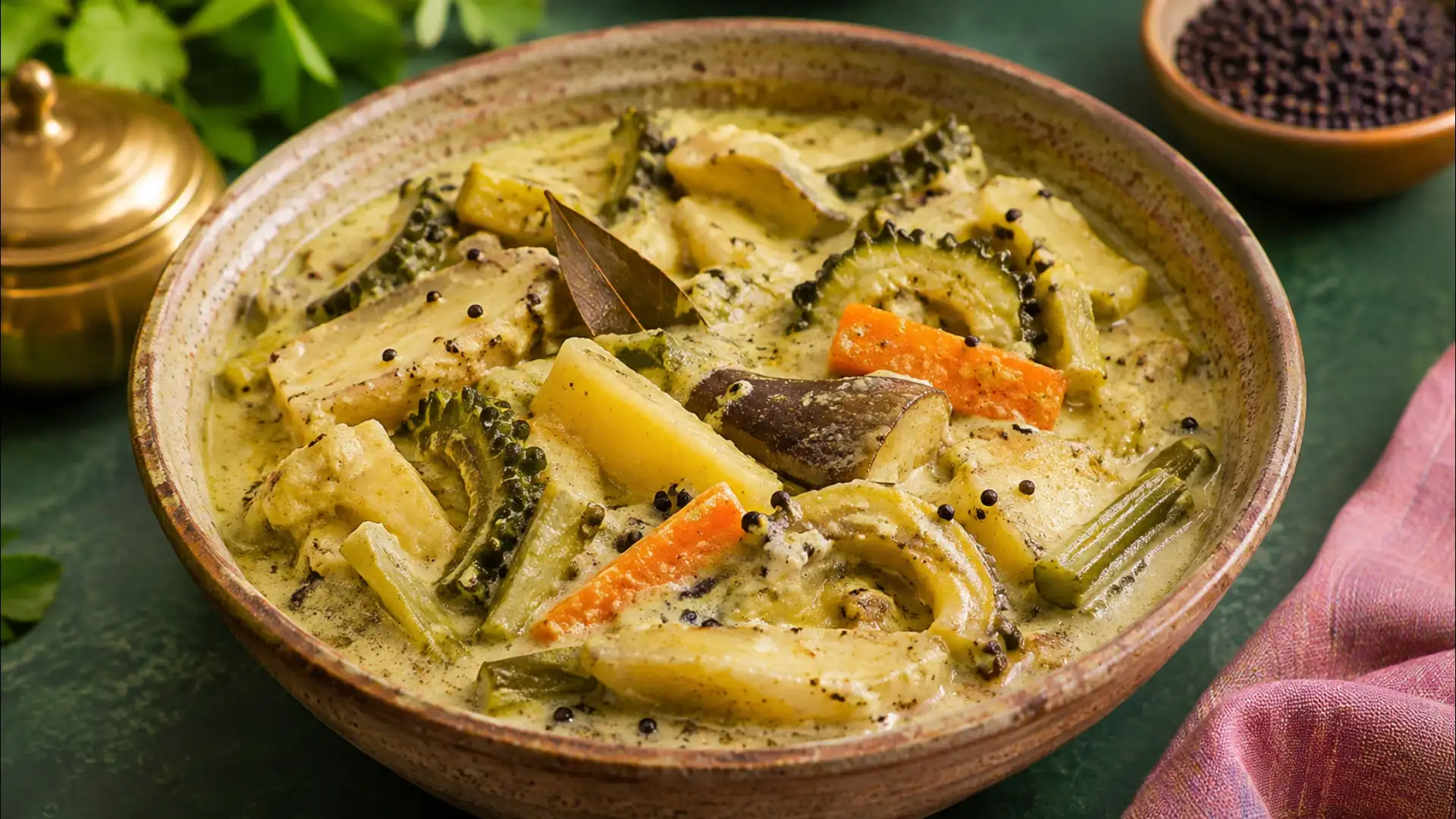
The preparation is known for combining vegetables with different tastes and textures. Bitter gourd is commonly included, while ingredients such as raw banana, potato, drumsticks and other seasonal vegetables add variety. Some versions use a paste of mustard or poppy seeds, while others include milk for a softer finish.
There is no single fixed recipe followed by every household. The vegetables and seasoning can vary by family and region.
Slice the bitter gourd separately. If you prefer a milder taste, lightly salt the slices, leave them for a short while and rinse before cooking.
Prepare the mustard paste by grinding soaked mustard seeds with a little water. If using poppy seeds, soak and grind them separately into a smooth paste.
Add the bitter gourd first and sauté briefly. Add the potato, raw banana, drumstick and pumpkin. Mix gently so the vegetables are coated with the seasoning.
Add turmeric, salt and ginger paste. Pour in a little water, cover the pan and cook over a medium-low flame.
If you want a softer, creamier preparation, add milk towards the end and simmer gently. Adjust the salt and add a small amount of sugar if desired.
Shukto should not be heavily spiced. Its appeal lies in the contrast between the vegetables and the mild seasoning.
The recipe can be adapted to the vegetables available at home, but bitter gourd is an important ingredient in many familiar versions.
The preparation is known for combining vegetables with different tastes and textures. Bitter gourd is commonly included, while ingredients such as raw banana, potato, drumsticks and other seasonal vegetables add variety. Some versions use a paste of mustard or poppy seeds, while others include milk for a softer finish.
There is no single fixed recipe followed by every household. The vegetables and seasoning can vary by family and region.
Ingredients required
For four servings, keep the following ready:- 1 small bitter gourd
- 1 raw banana
- 1 medium potato
- 1 drumstick, cut into pieces
- ½ cup diced pumpkin
- 1 tablespoon mustard paste
- 1 teaspoon poppy seed paste, optional
- ½ teaspoon ginger paste
- ½ teaspoon panch phoron
- 1 dried red chilli
- ½ teaspoon turmeric powder
- 2 tablespoons mustard oil
- ½ cup milk, optional
- Salt and a little sugar to taste
Prepare the vegetables
Wash and cut the vegetables into medium-sized pieces. Keep the pieces reasonably similar in size so that they cook evenly.Slice the bitter gourd separately. If you prefer a milder taste, lightly salt the slices, leave them for a short while and rinse before cooking.
Prepare the mustard paste by grinding soaked mustard seeds with a little water. If using poppy seeds, soak and grind them separately into a smooth paste.
Cook the vegetables
Heat mustard oil in a heavy-bottomed pan. Add the dried red chilli and panch phoron. Allow the spices to release their aroma without burning.Add the bitter gourd first and sauté briefly. Add the potato, raw banana, drumstick and pumpkin. Mix gently so the vegetables are coated with the seasoning.
Add turmeric, salt and ginger paste. Pour in a little water, cover the pan and cook over a medium-low flame.
Add the distinctive flavour
When the vegetables are nearly tender, add the mustard paste and optional poppy seed paste. Mix carefully so that the vegetables do not break apart.If you want a softer, creamier preparation, add milk towards the end and simmer gently. Adjust the salt and add a small amount of sugar if desired.
Shukto should not be heavily spiced. Its appeal lies in the contrast between the vegetables and the mild seasoning.
Serving suggestions
Serve shukto warm with steamed rice as part of a traditional Bengali meal. It is best enjoyed fresh, when the vegetables retain their shape and the seasoning remains balanced.The recipe can be adapted to the vegetables available at home, but bitter gourd is an important ingredient in many familiar versions.
Next Story