
Planning a Europe Trip on a Budget? Explore These 7 Countries

Europe is often associated with expensive hotels, fine dining and costly sightseeing experiences. However, the continent also has several destinations where travellers can explore historic towns, admire beautiful landscapes and enjoy local cuisine without spending as much as they might in some of its more expensive countries. Choosing affordable accommodation, travelling by public transport and visiting during the shoulder season can make a European holiday more manageable.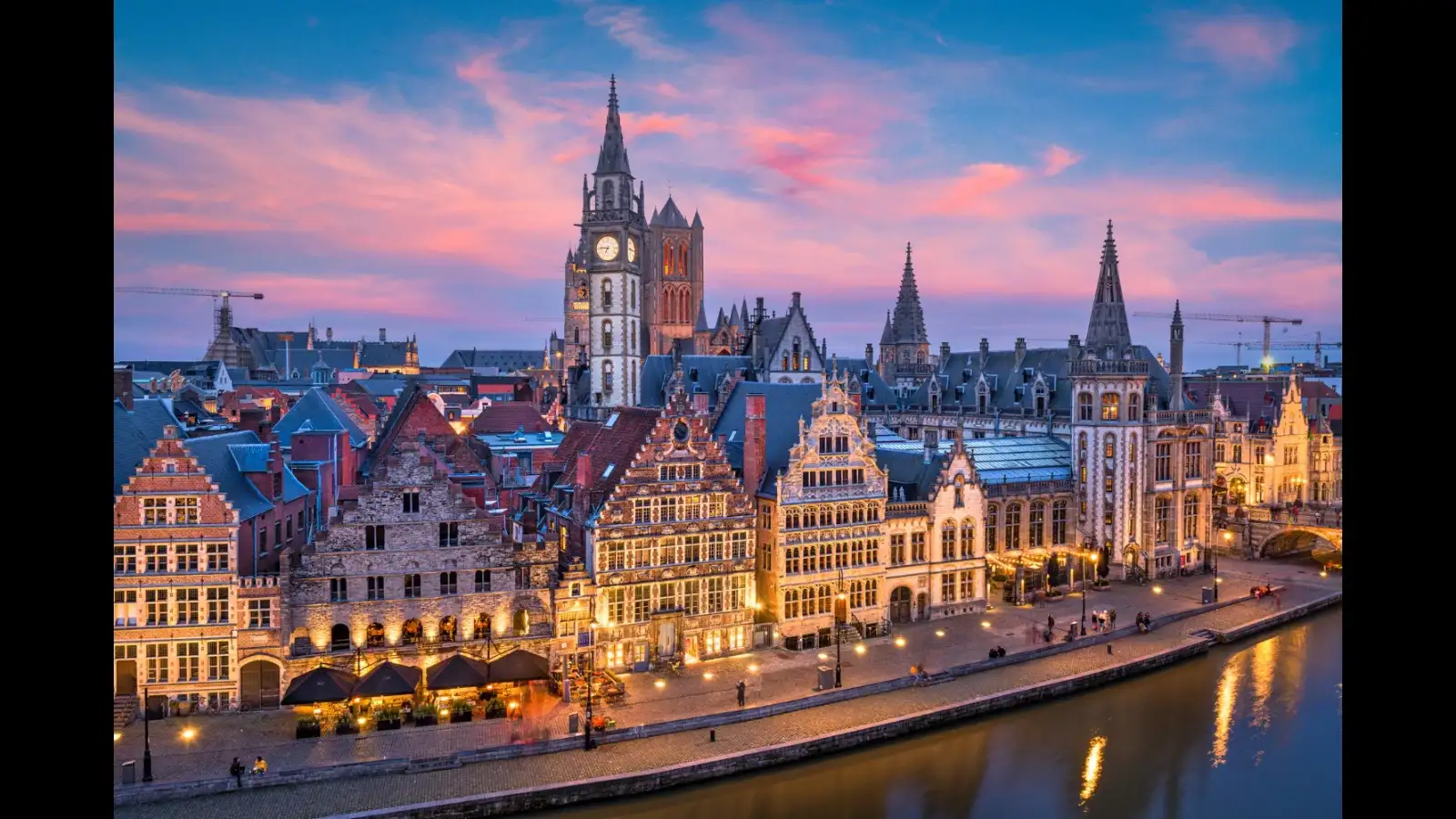
Countries in Central, Eastern and Southeastern Europe are particularly worth considering for travellers seeking value for money. Although costs vary by city, season and travel style, these destinations offer a mix of cultural attractions, natural beauty and interesting experiences. Here are seven European countries to consider for a budget-friendly holiday.
The Albanian Riviera is a major attraction, with destinations such as Ksamil and Himara drawing visitors during the summer months. Travellers can also explore Berat, a UNESCO World Heritage Site known for its historic architecture, and Gjirokastër, famous for its stone houses and castle.
Local restaurants, guesthouses and public transport can help keep expenses under control. However, coastal accommodation may become considerably more expensive during peak summer, so visiting outside the busiest weeks can offer better value.
Sofia, the capital, has historic churches, museums, parks and lively neighbourhoods. Plovdiv offers a different atmosphere, with its Old Town, traditional houses and Roman-era theatre. Travellers interested in the coast can consider destinations such as Varna, while mountain areas provide opportunities for hiking and winter sports.
Local eateries and public transport can make exploring cities relatively economical. Bulgaria also offers a variety of accommodation options, from budget hostels to family-run guesthouses. Travellers should compare prices carefully during summer beach holidays and the winter ski season.
Bucharest features grand boulevards, historic buildings, museums and parks. Brasov, surrounded by the Carpathian Mountains, is known for its attractive old town and access to nearby mountain destinations. Travellers can also explore the region of Transylvania, which is associated with fortified churches, medieval settlements and Bran Castle.
Romania offers accommodation and dining options across a wide range of budgets. Travelling by train or bus between selected destinations can also help manage costs, although journey times and connections should be checked before planning an itinerary.
For a more economical trip, consider staying outside the most popular tourist areas and exploring local markets, historic streets and public parks.
Kraków is particularly popular for its medieval Old Town, Main Market Square and Wawel Royal Castle. Warsaw combines reconstructed historic districts with modern architecture, museums and green spaces. Gdańsk, on the Baltic coast, is another attractive destination, with colourful waterfront buildings and a long maritime history.
Travellers can save money by using public transport, booking accommodation in advance and trying local dishes at traditional milk bars, known as bar mleczny. These casual eateries serve Polish comfort food and can be an economical alternative to tourist-focused restaurants.
Poland is also worth considering outside the peak summer period, when some accommodation options may offer more competitive rates.
Budapest's attractions include the Hungarian Parliament Building, Buda Castle, Fisherman's Bastion and the Danube riverfront. Visitors can enjoy walking tours, public parks and neighbourhood cafés, while the city's public transport network makes it easier to explore without relying on taxis.
Travellers can also consider Lake Balaton, a popular summer destination for swimming, lakeside relaxation and exploring nearby towns. Prices around the lake may rise during the holiday season, so advance planning is useful.
Choosing a centrally located hotel within walking distance of several attractions can help reduce transport expenses. Visitors should also compare the costs of thermal bath entry, guided tours and restaurant meals when setting a daily budget.
Porto is known for its riverside district, historic streets and views of the Douro River. Lisbon offers traditional neighbourhoods, viewpoints, historic trams and cultural attractions. Travellers looking for beaches can explore parts of the Algarve, although popular coastal resorts may become expensive during summer.
Eating at local cafés, using public transport and visiting free public viewpoints can help control holiday spending. Many towns also offer opportunities to explore historic streets and waterfront areas without paying an entrance fee.
Travelling in spring or autumn can provide a pleasant alternative to the busy summer season, with potentially better accommodation prices and fewer crowds at popular attractions.
Bratislava, the capital, features a compact historic centre, Bratislava Castle and riverside walks along the Danube. Visitors can explore its old streets on foot, enjoy local restaurants and use public transport to reach attractions beyond the city centre.
Nature lovers can head towards the High Tatras, a mountain region known for hiking trails, lakes and dramatic scenery. Costs vary according to the season and the activities planned, particularly around popular mountain resorts.
Travellers can keep expenses manageable by choosing guesthouses, packing suitable clothing for outdoor activities and checking transport connections in advance. Slovakia can also be combined with nearby Central European destinations, although travellers should compare the total cost of intercity travel before finalising their route.
Before booking, compare the total cost of flights from your departure city, accommodation, meals, transport and sightseeing. The most affordable destination is not necessarily the one with the lowest daily prices, but the one that offers the experiences you want within your overall budget.
Countries in Central, Eastern and Southeastern Europe are particularly worth considering for travellers seeking value for money. Although costs vary by city, season and travel style, these destinations offer a mix of cultural attractions, natural beauty and interesting experiences. Here are seven European countries to consider for a budget-friendly holiday.
1. Albania
Albania is an appealing destination for travellers who want to experience Mediterranean scenery without the price levels often associated with popular Western European coastal resorts. Its coastline features clear waters, attractive beaches and seaside towns, while its inland regions offer mountains, traditional villages and historic landmarks.The Albanian Riviera is a major attraction, with destinations such as Ksamil and Himara drawing visitors during the summer months. Travellers can also explore Berat, a UNESCO World Heritage Site known for its historic architecture, and Gjirokastër, famous for its stone houses and castle.
Local restaurants, guesthouses and public transport can help keep expenses under control. However, coastal accommodation may become considerably more expensive during peak summer, so visiting outside the busiest weeks can offer better value.
2. Bulgaria
Bulgaria combines historic cities, mountain scenery, Black Sea beaches and a strong local food culture. It is often a good option for travellers looking for European experiences at comparatively affordable prices.Sofia, the capital, has historic churches, museums, parks and lively neighbourhoods. Plovdiv offers a different atmosphere, with its Old Town, traditional houses and Roman-era theatre. Travellers interested in the coast can consider destinations such as Varna, while mountain areas provide opportunities for hiking and winter sports.
Local eateries and public transport can make exploring cities relatively economical. Bulgaria also offers a variety of accommodation options, from budget hostels to family-run guesthouses. Travellers should compare prices carefully during summer beach holidays and the winter ski season.
3. Romania
Romania is a rewarding destination for those interested in medieval towns, castles, forests and mountain landscapes. Its mix of urban attractions and countryside experiences makes it suitable for different types of holidays.Bucharest features grand boulevards, historic buildings, museums and parks. Brasov, surrounded by the Carpathian Mountains, is known for its attractive old town and access to nearby mountain destinations. Travellers can also explore the region of Transylvania, which is associated with fortified churches, medieval settlements and Bran Castle.
Romania offers accommodation and dining options across a wide range of budgets. Travelling by train or bus between selected destinations can also help manage costs, although journey times and connections should be checked before planning an itinerary.
For a more economical trip, consider staying outside the most popular tourist areas and exploring local markets, historic streets and public parks.
4. Poland
Poland is an excellent choice for travellers who enjoy history, architecture, museums and lively city centres. Its major cities offer plenty to see, while accommodation, food and transport can be more affordable than in several well-known Western European destinations.Kraków is particularly popular for its medieval Old Town, Main Market Square and Wawel Royal Castle. Warsaw combines reconstructed historic districts with modern architecture, museums and green spaces. Gdańsk, on the Baltic coast, is another attractive destination, with colourful waterfront buildings and a long maritime history.
Travellers can save money by using public transport, booking accommodation in advance and trying local dishes at traditional milk bars, known as bar mleczny. These casual eateries serve Polish comfort food and can be an economical alternative to tourist-focused restaurants.
Poland is also worth considering outside the peak summer period, when some accommodation options may offer more competitive rates.
5. Hungary
Hungary offers historic architecture, thermal baths, river views and a distinctive food culture. Its capital, Budapest, is a popular choice for visitors seeking a European city break without the costs often associated with cities such as Paris or Zurich.Budapest's attractions include the Hungarian Parliament Building, Buda Castle, Fisherman's Bastion and the Danube riverfront. Visitors can enjoy walking tours, public parks and neighbourhood cafés, while the city's public transport network makes it easier to explore without relying on taxis.
Travellers can also consider Lake Balaton, a popular summer destination for swimming, lakeside relaxation and exploring nearby towns. Prices around the lake may rise during the holiday season, so advance planning is useful.
Choosing a centrally located hotel within walking distance of several attractions can help reduce transport expenses. Visitors should also compare the costs of thermal bath entry, guided tours and restaurant meals when setting a daily budget.
6. Portugal
Portugal is an attractive option for travellers who want coastal scenery, historic architecture, fresh local produce and relaxed city breaks. Although it is not among Europe's cheapest destinations in every category, it can offer good value when compared with some of the continent's more expensive holiday hotspots.Porto is known for its riverside district, historic streets and views of the Douro River. Lisbon offers traditional neighbourhoods, viewpoints, historic trams and cultural attractions. Travellers looking for beaches can explore parts of the Algarve, although popular coastal resorts may become expensive during summer.
Eating at local cafés, using public transport and visiting free public viewpoints can help control holiday spending. Many towns also offer opportunities to explore historic streets and waterfront areas without paying an entrance fee.
Travelling in spring or autumn can provide a pleasant alternative to the busy summer season, with potentially better accommodation prices and fewer crowds at popular attractions.
7. Slovakia
Slovakia is a useful option for travellers seeking historic towns, mountain scenery and outdoor activities. Located in Central Europe, it offers a mix of urban sightseeing and nature-based experiences, often at prices below those found in some of the region's more expensive destinations.Bratislava, the capital, features a compact historic centre, Bratislava Castle and riverside walks along the Danube. Visitors can explore its old streets on foot, enjoy local restaurants and use public transport to reach attractions beyond the city centre.
Nature lovers can head towards the High Tatras, a mountain region known for hiking trails, lakes and dramatic scenery. Costs vary according to the season and the activities planned, particularly around popular mountain resorts.
Travellers can keep expenses manageable by choosing guesthouses, packing suitable clothing for outdoor activities and checking transport connections in advance. Slovakia can also be combined with nearby Central European destinations, although travellers should compare the total cost of intercity travel before finalising their route.
Tips for Planning a Budget-Friendly European Holiday
Choosing an affordable country is only one part of keeping travel costs under control. A few practical decisions can make a significant difference to the overall expense of a trip.- Travel during the shoulder season: Spring and autumn can offer a balance of pleasant weather, manageable crowds and more competitive accommodation prices.
- Book transport early: Flights, trains and intercity buses may be cheaper when booked in advance, depending on demand and availability.
- Choose accommodation carefully: Guesthouses, hostels and self-catering apartments can offer alternatives to expensive hotels.
- Use public transport: Metro systems, local buses and trains can reduce the need for taxis or rental cars.
- Explore local food: Traditional restaurants, bakeries and markets can help you experience regional cuisine without spending heavily.
- Check entry fees: Some attractions offer discounted tickets, free-entry days or lower prices for advance bookings.
Before booking, compare the total cost of flights from your departure city, accommodation, meals, transport and sightseeing. The most affordable destination is not necessarily the one with the lowest daily prices, but the one that offers the experiences you want within your overall budget.
Next Story