
Best Companion Plants to Grow Together for a Thriving Garden

Companion planting is the age-old secret to healthier plants, bigger harvests, and fewer pests no chemicals required. The idea is simple: certain plants naturally benefit each other when grown side by side. From warding off insects to boosting growth, here’s your guide to the best plant pairings.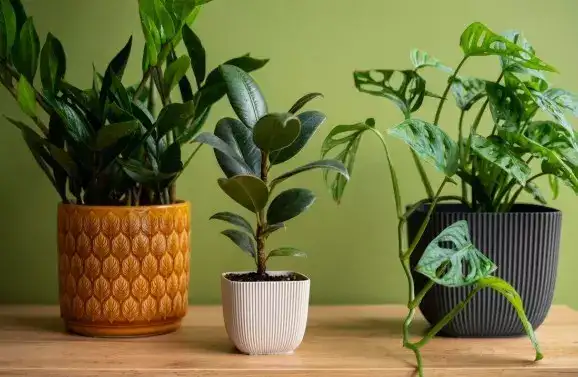
1. Tomatoes & Basil: A classic duo! Basil not only enhances tomato flavor but also repels pests like aphids and whiteflies. Plus, the aroma deters mosquitoes when you’re gardening.
2. Corn, Beans & Squash (The “Three Sisters”): This ancient Native American trio works like a charm corn provides support for beans, beans fix nitrogen for the soil, and squash spreads out to suppress weeds.
3. Carrots & Onions: Onions mask the scent of carrots, confusing carrot flies. In return, carrots help loosen the soil for onions to grow better.
4. Cabbage & Dill: Dill attracts beneficial insects like wasps that prey on cabbage worms, while cabbage shades the soil to keep dill roots cool.
5. Cucumbers & Nasturtiums: These cheerful flowers act as a trap crop, luring aphids and cucumber beetles away from your cucumbers. They also add edible blooms to your salad bowl.
6. Lettuce & Radishes: Radishes mature quickly, loosening the soil for lettuce roots. They also distract leaf-munching pests, giving your lettuce a better chance.
7. Peppers & Marigolds: Marigolds release natural chemicals that repel nematodes and other pests, keeping pepper plants healthy and productive.
8. Spinach & Strawberries: Spinach acts as a living mulch, keeping strawberry soil moist and weed-free, while strawberries give spinach partial shade in hot weather.
9. Broccoli & Celery: Celery’s strong scent confuses cabbage moths, protecting broccoli from damage. Both thrive in similar cool-season conditions.
10. Zucchini & Borage: Borage attracts pollinators and deters tomato hornworms and squash vine borers, making it a zucchini’s best friend in the garden.
Avoid pairing plants that compete for the same nutrients or attract the same pests like tomatoes and potatoes. A thoughtful mix can mean fewer problems, tastier harvests, and a lush, happy garden.
1. Tomatoes & Basil: A classic duo! Basil not only enhances tomato flavor but also repels pests like aphids and whiteflies. Plus, the aroma deters mosquitoes when you’re gardening.
2. Corn, Beans & Squash (The “Three Sisters”): This ancient Native American trio works like a charm corn provides support for beans, beans fix nitrogen for the soil, and squash spreads out to suppress weeds.
3. Carrots & Onions: Onions mask the scent of carrots, confusing carrot flies. In return, carrots help loosen the soil for onions to grow better.
4. Cabbage & Dill: Dill attracts beneficial insects like wasps that prey on cabbage worms, while cabbage shades the soil to keep dill roots cool.
You may also like
- Solar Panel: What is the cost of installing a 1 kW solar panel, and how long does it take to recover the investment?
- Install Solar Panels on Your Roof: Delhi's Electricity Scheme Portal Launched – How to Register?
- Failure to Collect Rations Could Lead to Deactivation; Government to Suspend 5.5 Lakh Ration Cards
- Forgot your Aadhaar card while traveling by train? Your digital Aadhaar on your mobile can help—here's how.
- UGC Revises Rules: MPT and MOT Degrees to Include Specialization
5. Cucumbers & Nasturtiums: These cheerful flowers act as a trap crop, luring aphids and cucumber beetles away from your cucumbers. They also add edible blooms to your salad bowl.
6. Lettuce & Radishes: Radishes mature quickly, loosening the soil for lettuce roots. They also distract leaf-munching pests, giving your lettuce a better chance.
7. Peppers & Marigolds: Marigolds release natural chemicals that repel nematodes and other pests, keeping pepper plants healthy and productive.
8. Spinach & Strawberries: Spinach acts as a living mulch, keeping strawberry soil moist and weed-free, while strawberries give spinach partial shade in hot weather.
9. Broccoli & Celery: Celery’s strong scent confuses cabbage moths, protecting broccoli from damage. Both thrive in similar cool-season conditions.
10. Zucchini & Borage: Borage attracts pollinators and deters tomato hornworms and squash vine borers, making it a zucchini’s best friend in the garden.
Avoid pairing plants that compete for the same nutrients or attract the same pests like tomatoes and potatoes. A thoughtful mix can mean fewer problems, tastier harvests, and a lush, happy garden.






Loving Newspoint? Download the app now
