
Ghee vs Oil vs Butter: Which Is Best for Making Parathas?

Parathas are a popular breakfast choice in many Indian households, and the fat used to roast them can influence their taste, texture and nutritional value. While ghee adds a rich aroma, oil offers options with more unsaturated fats, and butter gives parathas a creamy flavour. So, which one should you choose for everyday cooking?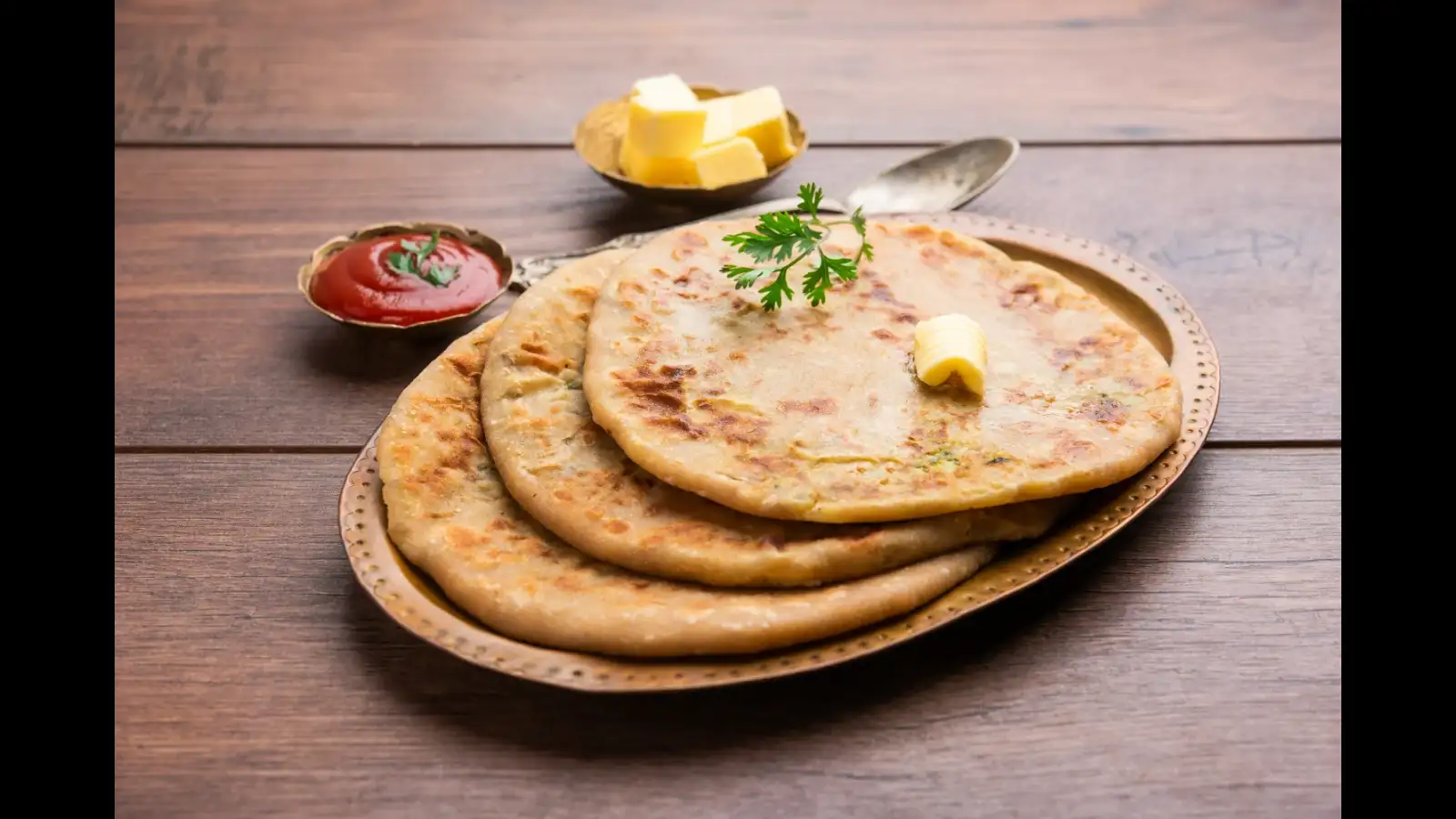
The answer depends on how much fat you use, your overall diet and your health needs. Here is how ghee, oil and butter compare.
Another advantage is its relatively high smoke point, which makes it suitable for cooking at moderately high temperatures.
However, ghee is rich in saturated fat. Consuming large amounts regularly may contribute to higher LDL, or bad cholesterol, levels. People with high cholesterol or other cardiovascular risk factors should be mindful of their intake and follow their healthcare professional's advice.
Replacing some saturated fats with unsaturated fats can support healthier cholesterol levels. However, oil is still calorie-dense, so using excessive amounts can increase the calorie content of your meal.
For everyday cooking, apply a thin layer of oil to the pan or brush a small amount over the paratha. This helps cook it evenly without making it unnecessarily greasy.
However, butter is high in saturated fat and is not necessarily a better everyday option than ghee. Using generous amounts can significantly increase the fat and calorie content of your meal.
If you enjoy butter on your parathas, you can use a small amount occasionally for flavour. Keeping the portion moderate is particularly important if you are monitoring your cholesterol levels.
For everyday parathas, a small amount of oil rich in unsaturated fats is generally a sensible choice. Ghee can also be enjoyed in moderation if you prefer its flavour, while butter is best used sparingly for an occasional treat.
If you have high cholesterol, pay particular attention to saturated fat intake and consider advice from a healthcare professional. Ultimately, using less fat and maintaining a balanced diet matter more than simply choosing one ingredient over another.
The answer depends on how much fat you use, your overall diet and your health needs. Here is how ghee, oil and butter compare.
Desi Ghee for Rich Flavour and Crispy Parathas
Desi ghee is a traditional favourite for roasting parathas. It gives them a distinctive aroma, a rich taste and a crisp outer layer. Ghee also contains small amounts of fat-soluble vitamins A, D, E and K, along with butyrate, a short-chain fatty acid.Another advantage is its relatively high smoke point, which makes it suitable for cooking at moderately high temperatures.
However, ghee is rich in saturated fat. Consuming large amounts regularly may contribute to higher LDL, or bad cholesterol, levels. People with high cholesterol or other cardiovascular risk factors should be mindful of their intake and follow their healthcare professional's advice.
Cooking Parathas With Oil
Oil can be a practical choice for everyday parathas, particularly when you select varieties rich in unsaturated fats. Mustard, canola, soybean and olive oils offer different nutritional profiles, but they can all be used for cooking, depending on the type of oil and the cooking temperature.Replacing some saturated fats with unsaturated fats can support healthier cholesterol levels. However, oil is still calorie-dense, so using excessive amounts can increase the calorie content of your meal.
For everyday cooking, apply a thin layer of oil to the pan or brush a small amount over the paratha. This helps cook it evenly without making it unnecessarily greasy.
Butter for Extra Taste
Butter can make a paratha more flavourful and add a soft, rich finish. It also provides energy and contains small amounts of fat-soluble vitamins.However, butter is high in saturated fat and is not necessarily a better everyday option than ghee. Using generous amounts can significantly increase the fat and calorie content of your meal.
If you enjoy butter on your parathas, you can use a small amount occasionally for flavour. Keeping the portion moderate is particularly important if you are monitoring your cholesterol levels.
Ghee vs Oil vs Butter : Which Is Better?
The three options differ in their nutritional composition and cooking properties.- Ghee: Best suited to those who enjoy its traditional flavour and crispy texture. Use it sparingly because of its saturated fat content.
- Oil: Oils rich in unsaturated fats are generally a better choice for regular use, especially when they replace saturated fats. The quantity still matters.
- Butter: Useful for adding flavour, but better kept to modest portions rather than used generously every day.
How to Make Parathas Healthier
You do not need to give up parathas to make your meals more balanced. A few simple changes can help:- Use a small amount of oil or ghee instead of pouring it directly onto the pan.
- Choose oils rich in unsaturated fats for regular cooking.
- Avoid repeatedly reheating cooking oil or heating it until it starts smoking.
- Pair parathas with curd, vegetables or another protein-rich accompaniment to make the meal more balanced.
- Keep portion sizes in mind and vary your breakfast choices throughout the week.
For everyday parathas, a small amount of oil rich in unsaturated fats is generally a sensible choice. Ghee can also be enjoyed in moderation if you prefer its flavour, while butter is best used sparingly for an occasional treat.
If you have high cholesterol, pay particular attention to saturated fat intake and consider advice from a healthcare professional. Ultimately, using less fat and maintaining a balanced diet matter more than simply choosing one ingredient over another.
Next Story