
The Best Indian Foods for Transitioning From Monsoon to Autumn

The shift from monsoon to autumn brings a noticeable change to everyday life. Rainy days gradually give way to clearer skies, humidity may begin to ease and mornings can feel slightly more comfortable. It is also a good time to make small changes to the food we eat.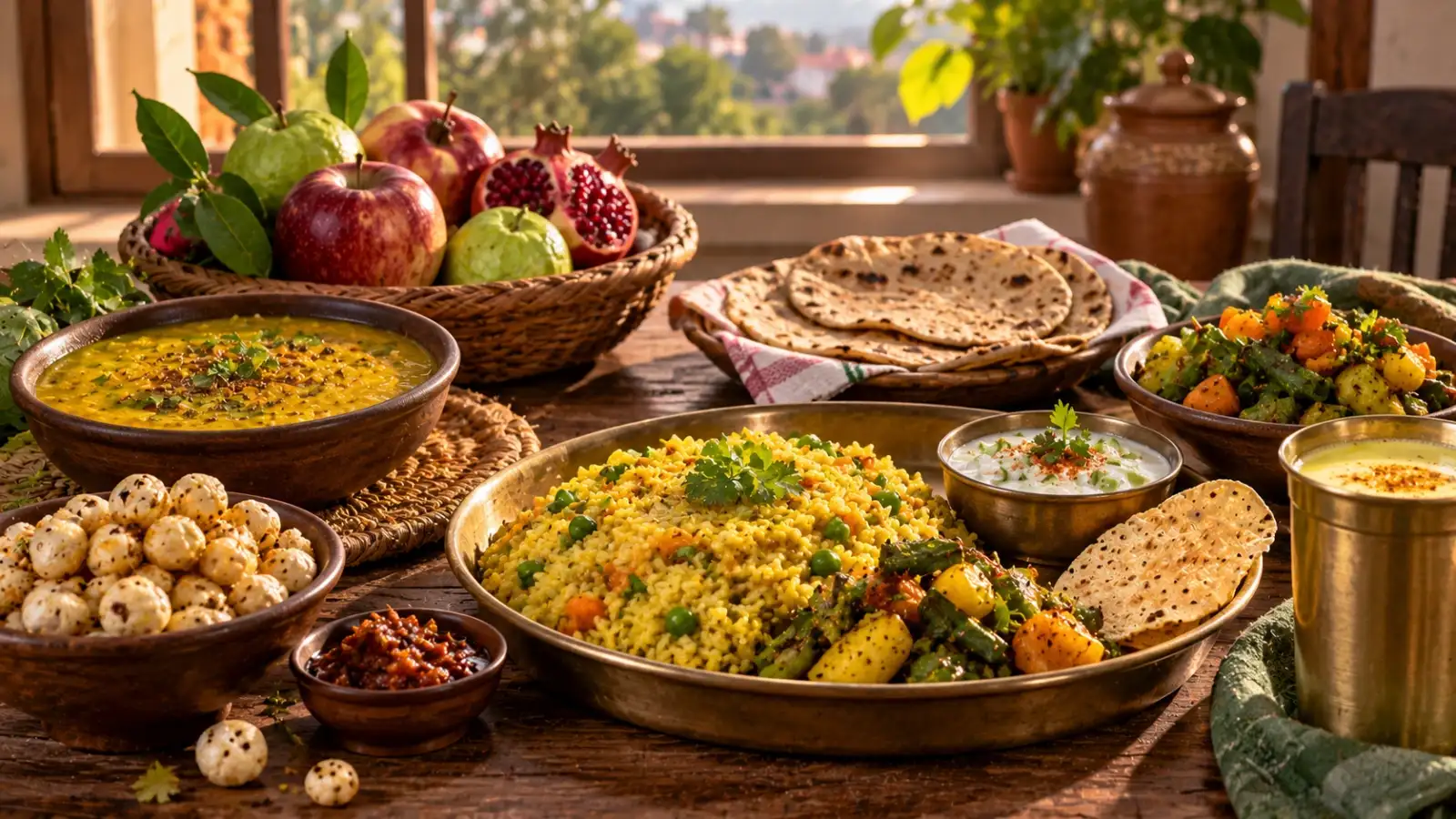
Indian cuisine has always been closely connected with the seasons. Traditional kitchens often adjust ingredients and cooking methods according to the weather. During the rainy months, people may prefer warm, freshly cooked meals, while the arrival of autumn offers a chance to bring more vegetables, fruits, grains and lighter dishes into the menu.
There is no need for a dramatic change in your diet. Simple seasonal Indian foods can make meals more enjoyable while adding variety to the table.
A basic moong dal can be cooked with turmeric, cumin, ginger and a small amount of garlic. A gentle tempering of cumin and other spices can add plenty of flavour without making the dish overly heavy.
You can also combine moong dal with seasonal vegetables for a more complete meal. Its mild flavour makes it particularly useful when you want something comforting but not too rich.
As the monsoon season ends, vegetable khichdi can be a convenient way to use ingredients already available in the kitchen. Carrots, peas, beans, spinach and other vegetables can be added to create a colourful meal.
For a lighter version, use more vegetables and lentils while keeping the amount of oil or ghee moderate. A bowl of warm khichdi with yoghurt or a small serving of pickle can make an easy lunch or dinner.
Vegetables can be prepared as simple sabzis, stir-fries, soups or mixed vegetable dishes. Lightly cooked vegetables retain their texture and can provide a welcome change from the richer foods often enjoyed during the rainy season.
Leafy vegetables can also be included when they are fresh and properly cleaned. Cooking them thoroughly and maintaining good kitchen hygiene is particularly important during periods when humidity remains high.
Bajra roti, for example, is a popular traditional food that pairs well with vegetables, dal and yoghurt. Its earthy flavour makes it particularly satisfying with spicy or tangy accompaniments.
There is no need to replace all your usual grains. Simply adding millet-based dishes occasionally can bring more variety to everyday meals.
They are convenient to keep at home and can be prepared in a few minutes. A homemade roasted snack can also be easier to control in terms of oil and seasoning than many packaged alternatives.
You can enjoy makhana with evening tea or keep a small portion ready when you want something crunchy between meals.
A simple fruit bowl can be made more interesting by combining different textures. For example, chopped apple can be mixed with pomegranate seeds and a little yoghurt, while guava can be enjoyed with a pinch of salt and spice.
Buying fruits in reasonable quantities is important because ripe produce can spoil quickly. Choose fresh fruit and store each variety according to its needs.
Tomato soup, lentil soup and mixed vegetable soup can all be prepared with everyday ingredients. Ginger, cumin, black pepper and coriander can provide warmth and flavour without requiring heavy sauces or cream.
A vegetable and dal soup can also turn a simple bowl into a more filling meal. Serve it with a small portion of roti or toast if you prefer something more substantial.
Plain curd can be served with rice, roti or vegetables. It can also be turned into a simple raita using cucumber, carrot or other suitable ingredients.
If the weather is still humid where you live, avoid leaving dairy foods at room temperature for long periods. Fresh preparation and proper refrigeration are important.
Similarly, ginger tea, tulsi tea or simple spiced milk can make a comforting drink on a cooler evening.
These beverages should complement a balanced diet rather than be treated as a cure for seasonal illnesses. Keeping the recipe simple also allows the natural flavours of the ingredients to stand out.
Choose fresh seasonal vegetables, include different fruits, experiment with traditional grains and keep some simple homemade snacks available. Warm dal, vegetable khichdi, roasted makhana and comforting soups can all fit naturally into the changing season.
Indian food is particularly well suited to seasonal cooking because it offers countless combinations of grains, lentils, vegetables, fruits, herbs and spices. You can keep meals familiar while gradually introducing ingredients that suit the changing weather.
The best seasonal food is not necessarily complicated. Sometimes, a bowl of dal, freshly cooked vegetables and a simple roti can be exactly what the changing season calls for.
Indian cuisine has always been closely connected with the seasons. Traditional kitchens often adjust ingredients and cooking methods according to the weather. During the rainy months, people may prefer warm, freshly cooked meals, while the arrival of autumn offers a chance to bring more vegetables, fruits, grains and lighter dishes into the menu.
There is no need for a dramatic change in your diet. Simple seasonal Indian foods can make meals more enjoyable while adding variety to the table.
Moong dal: A comforting everyday choice
Moong dal is one of the simplest dishes to include when the weather starts changing. It is light, easy to prepare and works well with rice or roti.A basic moong dal can be cooked with turmeric, cumin, ginger and a small amount of garlic. A gentle tempering of cumin and other spices can add plenty of flavour without making the dish overly heavy.
You can also combine moong dal with seasonal vegetables for a more complete meal. Its mild flavour makes it particularly useful when you want something comforting but not too rich.
Khichdi: The classic one-pot meal
Khichdi has a special place in Indian home cooking because it is simple, filling and endlessly adaptable. Rice and lentils form the base, while vegetables and spices can be changed according to preference.As the monsoon season ends, vegetable khichdi can be a convenient way to use ingredients already available in the kitchen. Carrots, peas, beans, spinach and other vegetables can be added to create a colourful meal.
For a lighter version, use more vegetables and lentils while keeping the amount of oil or ghee moderate. A bowl of warm khichdi with yoghurt or a small serving of pickle can make an easy lunch or dinner.
Seasonal vegetables: Bring more colour to the plate
The transition towards autumn is an ideal time to pay more attention to vegetables. Instead of relying on the same few ingredients every day, try rotating different seasonal produce through your meals.Vegetables can be prepared as simple sabzis, stir-fries, soups or mixed vegetable dishes. Lightly cooked vegetables retain their texture and can provide a welcome change from the richer foods often enjoyed during the rainy season.
Leafy vegetables can also be included when they are fresh and properly cleaned. Cooking them thoroughly and maintaining good kitchen hygiene is particularly important during periods when humidity remains high.
Bajra and other traditional grains
As the weather gradually becomes cooler in some parts of India, traditional grains can become more appealing. Bajra, jowar and other millets can be used in rotis, porridges and savoury dishes.Bajra roti, for example, is a popular traditional food that pairs well with vegetables, dal and yoghurt. Its earthy flavour makes it particularly satisfying with spicy or tangy accompaniments.
There is no need to replace all your usual grains. Simply adding millet-based dishes occasionally can bring more variety to everyday meals.
Roasted makhana: A simple snack
If you are looking for something different from fried snacks, roasted makhana can be an easy option. Fox nuts can be lightly roasted and seasoned with spices such as cumin, black pepper or a small amount of chilli powder.They are convenient to keep at home and can be prepared in a few minutes. A homemade roasted snack can also be easier to control in terms of oil and seasoning than many packaged alternatives.
You can enjoy makhana with evening tea or keep a small portion ready when you want something crunchy between meals.
Seasonal fruits for a fresh touch
As the weather changes, seasonal fruits can add freshness to the daily menu. Guava, apples, pears, pomegranate and other locally available fruits can be enjoyed as snacks or added to breakfast.A simple fruit bowl can be made more interesting by combining different textures. For example, chopped apple can be mixed with pomegranate seeds and a little yoghurt, while guava can be enjoyed with a pinch of salt and spice.
Buying fruits in reasonable quantities is important because ripe produce can spoil quickly. Choose fresh fruit and store each variety according to its needs.
Soups for cooler evenings
As evenings become more comfortable, a warm bowl of homemade soup can be a pleasant addition to dinner. Indian kitchens offer plenty of ways to make soup using familiar ingredients.Tomato soup, lentil soup and mixed vegetable soup can all be prepared with everyday ingredients. Ginger, cumin, black pepper and coriander can provide warmth and flavour without requiring heavy sauces or cream.
A vegetable and dal soup can also turn a simple bowl into a more filling meal. Serve it with a small portion of roti or toast if you prefer something more substantial.
You may also like
- Four decades of giving India's past a new life
- The Astrological Advantages of Green Cardamom
- The teacher: A guiding light in a child's journey
- These 6 invaluable teachings of Neem Karoli Baba will transform your life, bringing peace to the mind and a new direction to life..
- Teachers' Day: AI can deliver answers in seconds, but teachers do what technology cannot, build curiosity, critical thinking and independent minds
Curd and simple cooling foods
Although the monsoon may be ending, some regions of India can remain warm well into autumn. Curd can therefore continue to be a useful part of meals.Plain curd can be served with rice, roti or vegetables. It can also be turned into a simple raita using cucumber, carrot or other suitable ingredients.
If the weather is still humid where you live, avoid leaving dairy foods at room temperature for long periods. Fresh preparation and proper refrigeration are important.
Haldi milk and warm drinks
The transition between seasons is also a time when many people return to warm evening drinks. Turmeric milk is a traditional household beverage made with milk, turmeric and sometimes spices such as cardamom or cinnamon.Similarly, ginger tea, tulsi tea or simple spiced milk can make a comforting drink on a cooler evening.
These beverages should complement a balanced diet rather than be treated as a cure for seasonal illnesses. Keeping the recipe simple also allows the natural flavours of the ingredients to stand out.
Make the seasonal change simple
Moving from monsoon to autumn does not mean abandoning familiar Indian foods. Instead, it is an opportunity to make small changes to everyday meals.Choose fresh seasonal vegetables, include different fruits, experiment with traditional grains and keep some simple homemade snacks available. Warm dal, vegetable khichdi, roasted makhana and comforting soups can all fit naturally into the changing season.
Indian food is particularly well suited to seasonal cooking because it offers countless combinations of grains, lentils, vegetables, fruits, herbs and spices. You can keep meals familiar while gradually introducing ingredients that suit the changing weather.
The best seasonal food is not necessarily complicated. Sometimes, a bowl of dal, freshly cooked vegetables and a simple roti can be exactly what the changing season calls for.






Loving Newspoint? Download the app now
