
10 Easy Indian Plants That Can Survive Occasional Neglect

Not everyone has the patience to check soil moisture every morning, remember fertiliser schedules or understand why a perfectly healthy-looking plant suddenly starts losing leaves. For many beginners, gardening becomes difficult not because plants are complicated, but because the wrong plant is chosen for the available space and routine.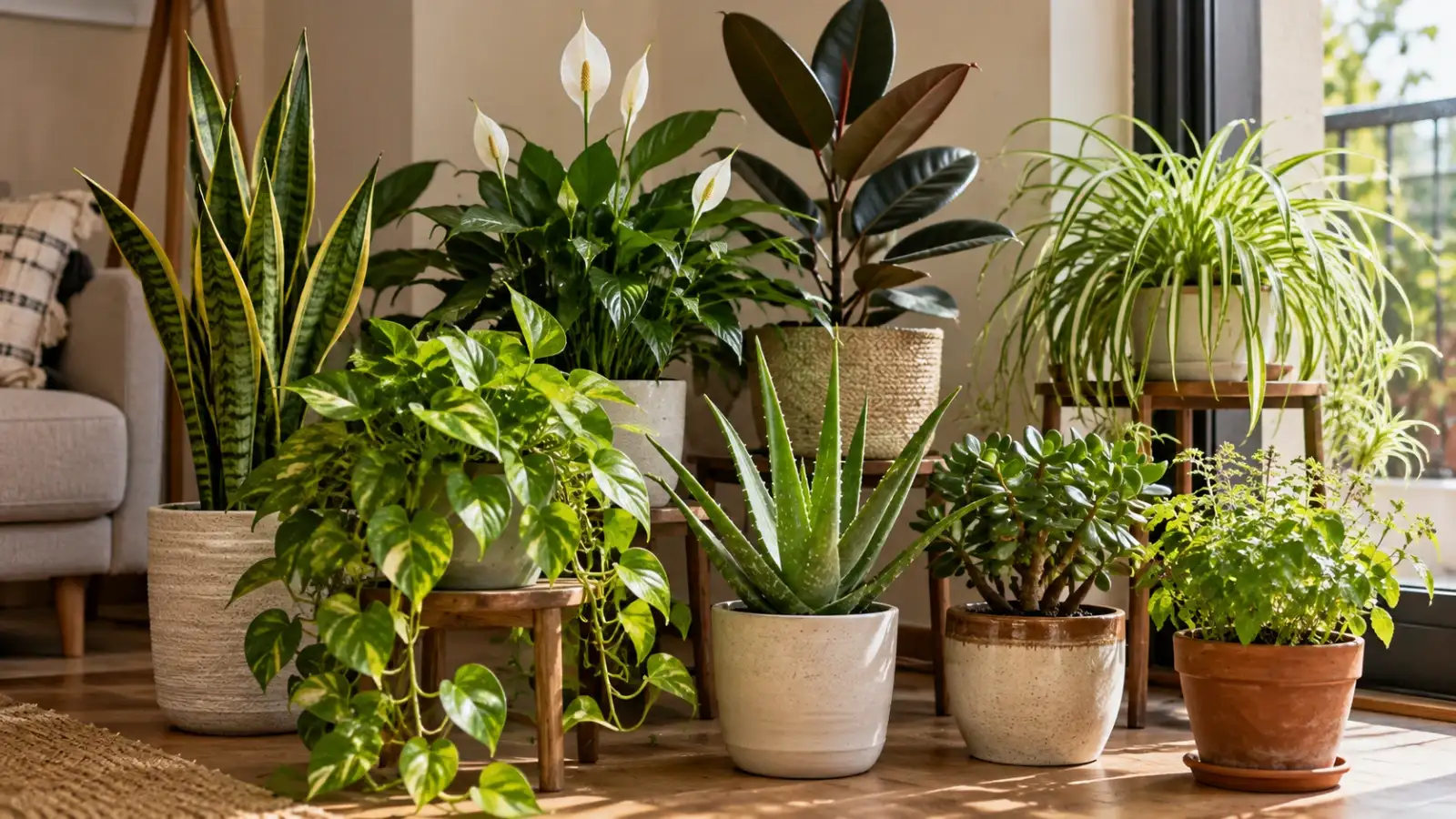
Fortunately, there are plenty of plants that are relatively forgiving. Some can cope with occasional missed watering, while others adapt to indoor conditions and moderate changes in light. The key is not to look for a plant that needs absolutely no care. Every living plant needs suitable light, water, drainage and some attention. Instead, beginners should choose varieties that can tolerate small mistakes. The Royal Horticultural Society specifically recommends easy-care houseplants for beginners because they can tolerate a wider range of household conditions and occasional lapses in watering.
For Indian homes, especially flats and urban balconies, several familiar plants make good starting points. Here are some options for people who want greenery without turning gardening into a daily responsibility.
The main mistake to avoid is overwatering. Allow the growing medium to dry before watering again and use a pot with proper drainage. In Indian homes, this can be particularly useful during periods when indoor humidity is already high or when watering is done too frequently.
Its upright growth also makes it useful when floor space is limited. A snake plant can sit in a corner, beside a desk or near a window without requiring much room to spread.
Pothos is known for tolerating a degree of neglect and can cope with a range of light conditions, although growth and leaf colour will depend on the amount and quality of light it receives. The RHS lists pothos among plants suitable for difficult indoor positions and describes it as particularly forgiving.
For beginners, the most important habit is to avoid watering simply because the soil looks dry on the surface. Check deeper into the pot before watering and make sure excess water can escape through the drainage holes.
The plant prefers a bright position and well-draining growing medium. The RHS recommends allowing the compost to dry before watering and warns that excessive moisture can lead to root problems.
Aloe vera therefore works particularly well on a bright windowsill or sunny balcony. It is not the best choice for a dark corner, despite its reputation as a low-maintenance plant.
The RHS identifies spider plant as one of its low-maintenance "beginner buddies", alongside snake plant and pothos.
Give it bright, indirect light and water when the growing medium begins to dry. It can work particularly well on a shelf or in a hanging pot where the cascading plantlets have room to develop.
It can tolerate a broad range of indoor light, from low light to bright indirect light, although excessively strong direct sunlight can damage its leaves. The RHS recommends watering sparingly and allowing the compost to dry completely between waterings.
The biggest danger for a ZZ plant is often too much attention rather than too little. Watering it repeatedly while the soil is still wet can create conditions that encourage root problems.
It needs good drainage and plenty of light. The RHS lists jade plant as an easy-care succulent and recommends a well-draining growing medium and a pot with adequate drainage holes.
For beginners, the simple rule is to give it enough light and resist the temptation to water too frequently. If the soil remains wet for long periods, the plant can suffer even if everything else looks fine.
It is also included by the RHS among easy-to-grow foliage houseplants that can tolerate typical indoor conditions.
Rubber plants generally prefer bright, indirect light for strong growth, although they can tolerate less ideal conditions. Keep the soil from staying constantly waterlogged and give the plant enough space as it becomes larger.
The plant is included in the RHS list of houseplants that can cope with low light and fluctuating indoor conditions.
It still needs regular attention, but the care routine is relatively straightforward. Allow the upper part of the growing medium to dry somewhat between waterings rather than keeping it permanently wet.
The important point is that low maintenance does not mean no maintenance. Cacti still require appropriate light, drainage and careful watering. The RHS places cacti and succulents among plants suited to bright conditions and notes their ability to store water in thick leaves or stems.
A sunny windowsill can be a good location, but indoor conditions vary. If a cactus receives very little natural light, it may become weak or grow abnormally.
Its dramatic drooping can actually make it useful for beginners because the plant can visibly indicate when it needs water. However, repeated severe drying is not ideal, and it should not be treated as a plant that can be ignored for weeks.
The RHS includes peace lily among its recommended houseplants and notes that choosing plants suited to the specific conditions of a home is important.
Place it in bright, indirect light rather than harsh direct sunlight and keep the growing medium reasonably evenly moist without allowing it to remain waterlogged.
Unlike several low-light houseplants on this list, tulsi generally benefits from plenty of sunlight and regular watering. It is therefore easy to grow when placed in the right conditions, but it is not a good option for a dark indoor corner.
Regularly harvesting the leaves can also encourage a bushier appearance. The plant should be grown in a container with adequate drainage, particularly during periods of heavy rainfall.
The right watering schedule depends on the plant, pot size, growing medium, temperature, humidity and light. A plant sitting in bright sunlight may dry much faster than the same species kept in a cooler indoor corner.
Drainage is equally important. A pot without adequate drainage can allow water to accumulate around the roots, creating problems even when the watering frequency seems reasonable. This is particularly important for snake plants, aloe vera, jade plants, cacti and ZZ plants, all of which are more tolerant of dry conditions than permanently wet soil.
If you have a bright sunny balcony, aloe vera, jade plants, cacti and tulsi can be considered. If your room receives bright indirect light, pothos, spider plants, rubber plants and syngonium offer more flexibility. For areas with lower light, snake plants and ZZ plants are among the more forgiving choices, although no houseplant can thrive indefinitely in complete darkness.
Once you match the plant to the available light, watering becomes much easier to manage.
Snake plants, pothos, spider plants, ZZ plants, aloe vera, jade plants and several other forgiving varieties can give beginners a much easier starting point. They still need appropriate light, drainage and sensible watering, but they are generally more tolerant of occasional mistakes.
The best approach is to begin with one or two plants rather than filling an entire room at once. Learn how quickly the soil dries, observe how the leaves respond to their surroundings and adjust gradually. Once you understand those basics, keeping plants healthy becomes considerably less intimidating.
Fortunately, there are plenty of plants that are relatively forgiving. Some can cope with occasional missed watering, while others adapt to indoor conditions and moderate changes in light. The key is not to look for a plant that needs absolutely no care. Every living plant needs suitable light, water, drainage and some attention. Instead, beginners should choose varieties that can tolerate small mistakes. The Royal Horticultural Society specifically recommends easy-care houseplants for beginners because they can tolerate a wider range of household conditions and occasional lapses in watering.
For Indian homes, especially flats and urban balconies, several familiar plants make good starting points. Here are some options for people who want greenery without turning gardening into a daily responsibility.
Snake Plant
The snake plant is one of the easiest choices for a beginner. Its stiff, upright leaves store water, allowing the plant to cope with periods when watering is forgotten. It can also tolerate a broad range of indoor light conditions, from bright areas to relatively low light.The main mistake to avoid is overwatering. Allow the growing medium to dry before watering again and use a pot with proper drainage. In Indian homes, this can be particularly useful during periods when indoor humidity is already high or when watering is done too frequently.
Its upright growth also makes it useful when floor space is limited. A snake plant can sit in a corner, beside a desk or near a window without requiring much room to spread.
Money Plant
Money plant, commonly grown as pothos, is another forgiving choice for beginners. Its trailing stems make it suitable for shelves, hanging pots and balconies, while its heart-shaped leaves can add greenery without requiring complicated care.Pothos is known for tolerating a degree of neglect and can cope with a range of light conditions, although growth and leaf colour will depend on the amount and quality of light it receives. The RHS lists pothos among plants suitable for difficult indoor positions and describes it as particularly forgiving.
For beginners, the most important habit is to avoid watering simply because the soil looks dry on the surface. Check deeper into the pot before watering and make sure excess water can escape through the drainage holes.
Aloe Vera
Aloe vera is a good option for someone who tends to forget watering rather than someone who waters plants too often. Its thick leaves store water, allowing it to tolerate relatively dry conditions.The plant prefers a bright position and well-draining growing medium. The RHS recommends allowing the compost to dry before watering and warns that excessive moisture can lead to root problems.
Aloe vera therefore works particularly well on a bright windowsill or sunny balcony. It is not the best choice for a dark corner, despite its reputation as a low-maintenance plant.
Spider Plant
Spider plants are another useful starting point for inexperienced gardeners. Their narrow, arching leaves give them a relaxed appearance, while mature plants can produce small plantlets that hang from long stems.The RHS identifies spider plant as one of its low-maintenance "beginner buddies", alongside snake plant and pothos.
Give it bright, indirect light and water when the growing medium begins to dry. It can work particularly well on a shelf or in a hanging pot where the cascading plantlets have room to develop.
ZZ Plant
If you regularly forget to water your plants, the ZZ plant deserves consideration. Its underground rhizomes store water, which helps the plant cope with dry periods.It can tolerate a broad range of indoor light, from low light to bright indirect light, although excessively strong direct sunlight can damage its leaves. The RHS recommends watering sparingly and allowing the compost to dry completely between waterings.
The biggest danger for a ZZ plant is often too much attention rather than too little. Watering it repeatedly while the soil is still wet can create conditions that encourage root problems.
Jade Plant
Jade plant is a useful choice for a bright windowsill or sunny balcony. Like other succulents, it has fleshy leaves that allow it to store water, so it does not require frequent watering.It needs good drainage and plenty of light. The RHS lists jade plant as an easy-care succulent and recommends a well-draining growing medium and a pot with adequate drainage holes.
For beginners, the simple rule is to give it enough light and resist the temptation to water too frequently. If the soil remains wet for long periods, the plant can suffer even if everything else looks fine.
Rubber Plant
Rubber plant is a good option if you want something larger than a small tabletop plant. Its broad, glossy leaves can make a strong visual impact in a living room or bright indoor space.It is also included by the RHS among easy-to-grow foliage houseplants that can tolerate typical indoor conditions.
Rubber plants generally prefer bright, indirect light for strong growth, although they can tolerate less ideal conditions. Keep the soil from staying constantly waterlogged and give the plant enough space as it becomes larger.
Syngonium
Syngonium is another practical choice for people who like leafy plants but do not want an extremely demanding variety. Its arrow-shaped leaves and trailing or climbing growth make it suitable for shelves, hanging pots and indoor corners with suitable indirect light.The plant is included in the RHS list of houseplants that can cope with low light and fluctuating indoor conditions.
It still needs regular attention, but the care routine is relatively straightforward. Allow the upper part of the growing medium to dry somewhat between waterings rather than keeping it permanently wet.
Cactus
Cacti are often recommended to people who struggle with frequent watering because many varieties are adapted to dry environments. Their ability to store water means they generally need less frequent watering than leafy tropical plants.The important point is that low maintenance does not mean no maintenance. Cacti still require appropriate light, drainage and careful watering. The RHS places cacti and succulents among plants suited to bright conditions and notes their ability to store water in thick leaves or stems.
A sunny windowsill can be a good location, but indoor conditions vary. If a cactus receives very little natural light, it may become weak or grow abnormally.
Peace Lily
Peace lily can work for beginners who want a leafy plant with flowers, although it requires more consistent moisture than snake plants, ZZ plants or succulents.Its dramatic drooping can actually make it useful for beginners because the plant can visibly indicate when it needs water. However, repeated severe drying is not ideal, and it should not be treated as a plant that can be ignored for weeks.
The RHS includes peace lily among its recommended houseplants and notes that choosing plants suited to the specific conditions of a home is important.
Place it in bright, indirect light rather than harsh direct sunlight and keep the growing medium reasonably evenly moist without allowing it to remain waterlogged.
Tulsi
Tulsi is a particularly familiar choice for Indian homes and can be rewarding for beginners who have access to a sunny balcony, terrace or windowsill.Unlike several low-light houseplants on this list, tulsi generally benefits from plenty of sunlight and regular watering. It is therefore easy to grow when placed in the right conditions, but it is not a good option for a dark indoor corner.
Regularly harvesting the leaves can also encourage a bushier appearance. The plant should be grown in a container with adequate drainage, particularly during periods of heavy rainfall.
The Biggest Gardening Mistake Beginners Make
Choosing an easy-care plant does not mean watering it whenever you remember. In fact, overwatering is one of the most common ways beginners damage plants that are otherwise extremely resilient.The right watering schedule depends on the plant, pot size, growing medium, temperature, humidity and light. A plant sitting in bright sunlight may dry much faster than the same species kept in a cooler indoor corner.
Drainage is equally important. A pot without adequate drainage can allow water to accumulate around the roots, creating problems even when the watering frequency seems reasonable. This is particularly important for snake plants, aloe vera, jade plants, cacti and ZZ plants, all of which are more tolerant of dry conditions than permanently wet soil.
Start With the Plant, Not the Pot
A common beginner mistake is choosing a plant because it looks attractive and then trying to force it to survive in an unsuitable location. Instead, look at your home first.If you have a bright sunny balcony, aloe vera, jade plants, cacti and tulsi can be considered. If your room receives bright indirect light, pothos, spider plants, rubber plants and syngonium offer more flexibility. For areas with lower light, snake plants and ZZ plants are among the more forgiving choices, although no houseplant can thrive indefinitely in complete darkness.
Once you match the plant to the available light, watering becomes much easier to manage.
Gardening Does Not Have to Be Complicated
Being bad at gardening usually does not mean you are incapable of keeping plants alive. Often, it means you have started with varieties that demand more attention than your routine allows.Snake plants, pothos, spider plants, ZZ plants, aloe vera, jade plants and several other forgiving varieties can give beginners a much easier starting point. They still need appropriate light, drainage and sensible watering, but they are generally more tolerant of occasional mistakes.
The best approach is to begin with one or two plants rather than filling an entire room at once. Learn how quickly the soil dries, observe how the leaves respond to their surroundings and adjust gradually. Once you understand those basics, keeping plants healthy becomes considerably less intimidating.
Next Story