
Indoor Plants That Are Perfect for Your Bedroom

A few well-chosen indoor plants can make a bedroom feel fresher, calmer and more inviting. From low-maintenance varieties that tolerate less light to plants with attractive foliage, there are several options that can work well indoors. However, every bedroom has different light, temperature and ventilation conditions, so choosing a plant that suits your space is important.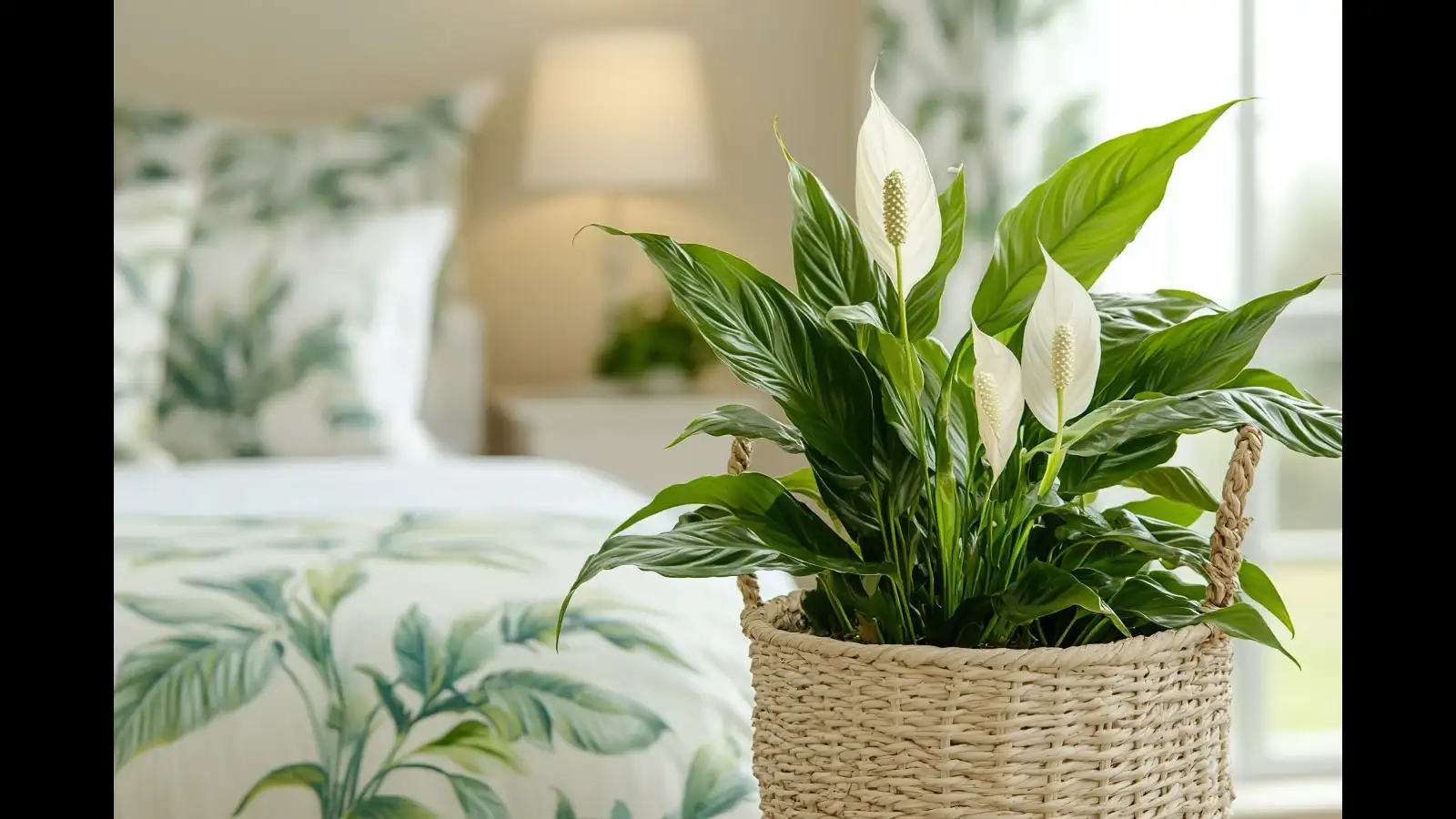
Peace lilies can droop noticeably when they need water, although it is better not to rely on severe drooping as a regular watering signal.
Also consider the available space. Trailing plants can work well on shelves, while taller plants such as areca palms may need a clear floor area. Always use pots with drainage holes and avoid overwatering.
It is also worth remembering that indoor plants should not be treated as a substitute for ventilation or air-quality measures. Their primary benefit in a bedroom is often their appearance and the sense of greenery they bring to the space.
Remove dry or damaged leaves and check regularly for common indoor plant pests. Clean dusty leaves gently when needed, as a layer of dust can affect the appearance and health of foliage.
For bedrooms, the snake plant, money plant, spider plant and ZZ plant are among the easiest choices for beginners. If your room receives plenty of natural light, you can also consider aloe vera or a rubber plant. The best option ultimately depends on your bedroom's light, space and your ability to maintain the plant.
1. Snake Plant
Snake plant is one of the easiest indoor plants to maintain. Its upright, sword-shaped leaves take up little space, making it suitable for bedrooms, including smaller ones. It can tolerate low light, although brighter indirect light generally supports better growth. The plant also needs relatively little watering, so it is useful for people who occasionally forget their watering schedule.2. Money Plant
Money plant, also known as pothos, is a popular choice for indoor spaces. Its trailing vines can be placed on a shelf, bedside table or hanging planter. It grows well in bright, indirect light but can also tolerate lower-light conditions. Allowing the soil to dry somewhat between waterings can help prevent problems caused by excess moisture.3. Peace Lily
With its dark green leaves and distinctive white flower-like structures, the peace lily can add a decorative touch to a bedroom. It generally prefers bright, indirect light but can tolerate lower light. The soil should be kept moderately moist without allowing the plant to sit in standing water.Peace lilies can droop noticeably when they need water, although it is better not to rely on severe drooping as a regular watering signal.
4. Spider Plant
Spider plant is another beginner-friendly option. It has long, narrow leaves that arch outward and can produce small plantlets on long stems. It generally does well in bright, indirect light and can adapt to average indoor conditions. Avoid keeping it in harsh direct sunlight for long periods, as this can damage the leaves.5. Areca Palm
If you have more floor space, an areca palm can bring a tropical look to the bedroom. Its feathery green leaves make it an attractive decorative plant. It generally prefers bright, indirect light and regular watering when the upper layer of soil becomes dry. Good drainage is important to prevent waterlogging.6. ZZ Plant
The ZZ plant is particularly useful for bedrooms where natural light is limited. It has glossy, upright foliage and is known for tolerating periods of neglect. Its thick underground rhizomes help the plant store water, so frequent watering is unnecessary. Let the soil dry between waterings and avoid keeping the pot constantly wet.7. Rubber Plant
Rubber plants are a good option when you want a larger plant with broad, glossy leaves. They generally prefer bright, indirect light and can grow into a substantial indoor plant when conditions are suitable. Keep the soil from remaining constantly soggy and give the plant enough room as it grows.8. Aloe Vera
Aloe vera can work well on a sunny bedroom windowsill. It prefers plenty of bright light and well-draining soil. Because its leaves store water, it does not need frequent watering. Water thoroughly only when the soil has dried out, and make sure excess water can drain away.How to Choose the Right Bedroom Plant
Before buying a plant, look at the conditions in your bedroom. A room with a bright window can support plants such as aloe vera and rubber plant, while a darker corner may be better suited to snake plant or ZZ plant.Also consider the available space. Trailing plants can work well on shelves, while taller plants such as areca palms may need a clear floor area. Always use pots with drainage holes and avoid overwatering.
It is also worth remembering that indoor plants should not be treated as a substitute for ventilation or air-quality measures. Their primary benefit in a bedroom is often their appearance and the sense of greenery they bring to the space.
Keep Bedroom Plants Healthy
Good plant care does not have to be complicated. Check the soil before watering instead of following a fixed daily schedule. Place each plant according to its light requirements and rotate pots occasionally so different sides receive light.Remove dry or damaged leaves and check regularly for common indoor plant pests. Clean dusty leaves gently when needed, as a layer of dust can affect the appearance and health of foliage.
For bedrooms, the snake plant, money plant, spider plant and ZZ plant are among the easiest choices for beginners. If your room receives plenty of natural light, you can also consider aloe vera or a rubber plant. The best option ultimately depends on your bedroom's light, space and your ability to maintain the plant.
Next Story