
7 Easy to Grow Indoor Plants for Indian Homes

Indoor plants can add greenery, freshness and a natural touch to any home. They can brighten up living rooms, bedrooms, balconies and workspaces while making the interiors feel more welcoming. However, not every plant adapts well to indoor conditions. For Indian homes, plants that can handle warm temperatures, indirect sunlight and occasional changes in humidity are often easier to maintain.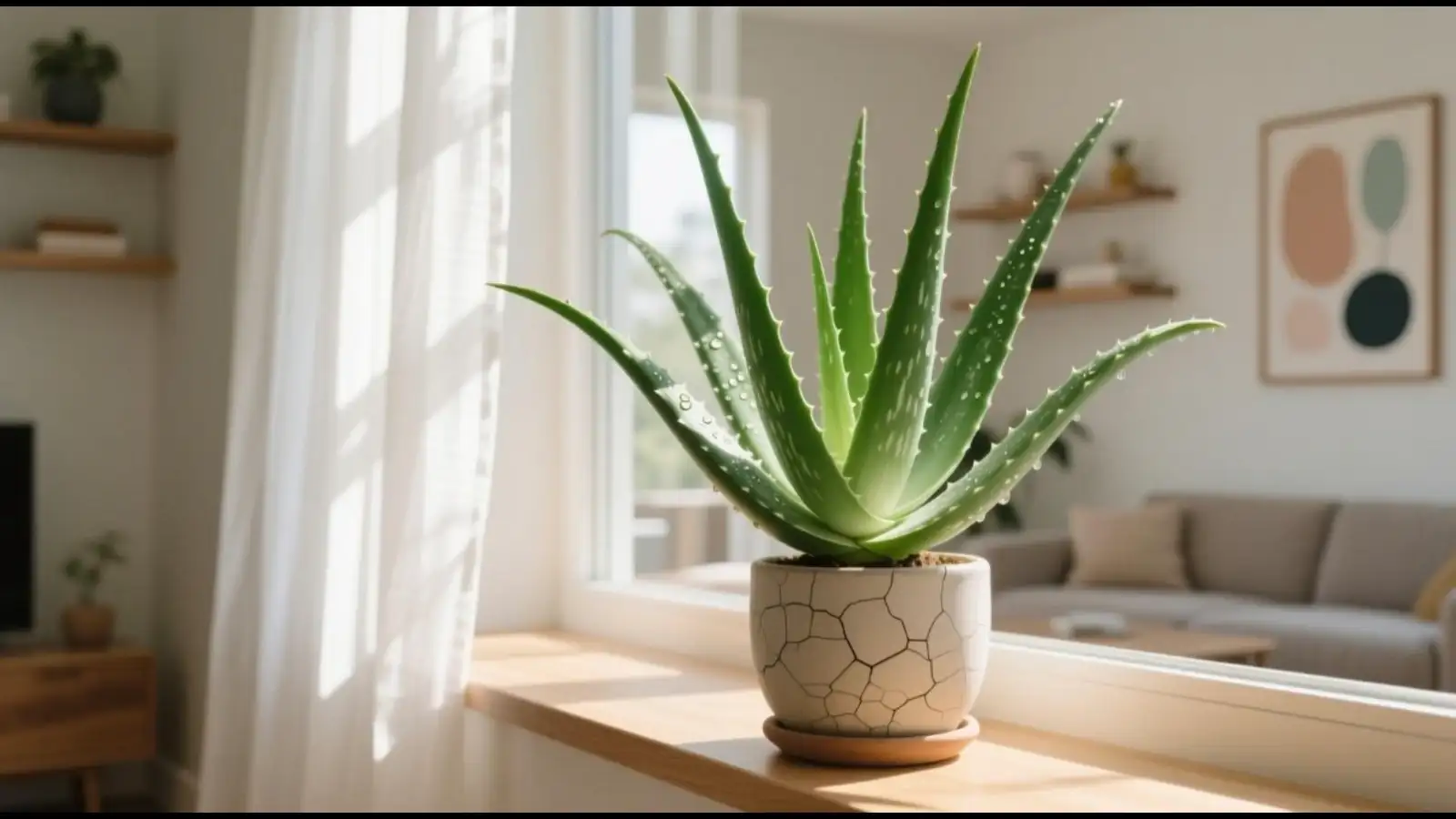
From low-maintenance varieties to plants that add a tropical feel, there are several options for different spaces and care routines. Here are some of the best indoor plants to consider.
The soil should be allowed to dry between waterings. Using a pot with drainage holes is important because excess water can lead to root problems.
The plant generally prefers bright, indirect light but can tolerate lower-light conditions. Water it when the soil begins to dry rather than following a fixed watering schedule.
It generally grows well in bright, indirect light. Keep the soil moderately moist but avoid allowing the roots to sit in excess water.
Unlike drought-tolerant plants, peace lily needs more consistent moisture. However, overwatering should be avoided. A well-draining pot can help maintain suitable soil conditions.
It prefers bright, indirect light and regular watering. Good drainage is important, particularly in warm conditions, as constantly wet soil can damage the roots.
Aloe vera does not need frequent watering. Let the soil dry out between waterings and use a pot with drainage holes to prevent excess moisture from accumulating around the roots.
It can tolerate relatively low light and generally needs less frequent watering than many other houseplants. Allow the soil to dry between waterings and avoid keeping the plant in constantly wet soil.
The size of the room also matters. Large plants such as areca palm can work well in spacious living areas, whereas spider plants and money plants can fit comfortably into smaller rooms.
Watering habits are another important factor. If you often forget to water your plants, varieties such as snake plant, aloe vera and ZZ plant may be easier to manage. Plants such as peace lily generally require more consistent attention.
Always choose pots with drainage holes and make sure excess water can escape. It is also worth checking the care and toxicity information for individual plants if there are children or pets at home.
From low-maintenance varieties to plants that add a tropical feel, there are several options for different spaces and care routines. Here are some of the best indoor plants to consider.
1. Snake Plant
Snake plant is among the easiest houseplants to maintain. Its tall, upright leaves make it suitable for corners, bedrooms, living rooms and smaller spaces. It can tolerate lower-light conditions and does not need frequent watering.The soil should be allowed to dry between waterings. Using a pot with drainage holes is important because excess water can lead to root problems.
2. Money Plant
Money plant is a popular choice for Indian homes and can easily fit into different interior settings. Its trailing vines look attractive in pots placed on shelves, tables or window areas. It can also be trained around a support to create a fuller display.The plant generally prefers bright, indirect light but can tolerate lower-light conditions. Water it when the soil begins to dry rather than following a fixed watering schedule.
3. Spider Plant
Spider plant is known for its slender, arching leaves and small plantlets that grow from mature plants. Its compact appearance makes it suitable for shelves, hanging pots and side tables.It generally grows well in bright, indirect light. Keep the soil moderately moist but avoid allowing the roots to sit in excess water.
4. Peace Lily
Peace lily can bring an elegant touch to indoor spaces with its deep green leaves and white flowers. It generally prefers bright, indirect light and can also tolerate lower-light conditions.Unlike drought-tolerant plants, peace lily needs more consistent moisture. However, overwatering should be avoided. A well-draining pot can help maintain suitable soil conditions.
5. Areca Palm
Areca palm is a good option for larger rooms where a bigger indoor plant can make a visual impact. Its long, arching fronds give it a tropical appearance and work well in living rooms and spacious corners.It prefers bright, indirect light and regular watering. Good drainage is important, particularly in warm conditions, as constantly wet soil can damage the roots.
6. Aloe Vera
Aloe vera is a succulent with thick, fleshy leaves that store water. It is particularly suitable for a bright spot, such as a sunny windowsill, where it can receive plenty of light.Aloe vera does not need frequent watering. Let the soil dry out between waterings and use a pot with drainage holes to prevent excess moisture from accumulating around the roots.
7. ZZ Plant
ZZ plant is well suited to people looking for a low-maintenance indoor plant. It has glossy green leaves and can add a neat appearance to desks, shelves and room corners.It can tolerate relatively low light and generally needs less frequent watering than many other houseplants. Allow the soil to dry between waterings and avoid keeping the plant in constantly wet soil.
How to Choose Indoor Plants for Your Home
The amount of natural light available should be one of the first things to consider when selecting an indoor plant. A bright area near a window can work well for aloe vera, while snake plant and ZZ plant can be more suitable for spaces with less light.The size of the room also matters. Large plants such as areca palm can work well in spacious living areas, whereas spider plants and money plants can fit comfortably into smaller rooms.
Watering habits are another important factor. If you often forget to water your plants, varieties such as snake plant, aloe vera and ZZ plant may be easier to manage. Plants such as peace lily generally require more consistent attention.
Always choose pots with drainage holes and make sure excess water can escape. It is also worth checking the care and toxicity information for individual plants if there are children or pets at home.
Next Story