
Best Places to See the Northern Lights: 8 Destinations for a Magical Experience

Watching the Northern Lights dance across the night sky is an experience that many travellers dream of having at least once. Shades of green, purple, pink and sometimes red illuminate the darkness, creating beautiful patterns that seem almost unreal. This natural phenomenon, known as the Aurora Borealis , occurs when charged particles from the Sun interact with gases in Earth's atmosphere.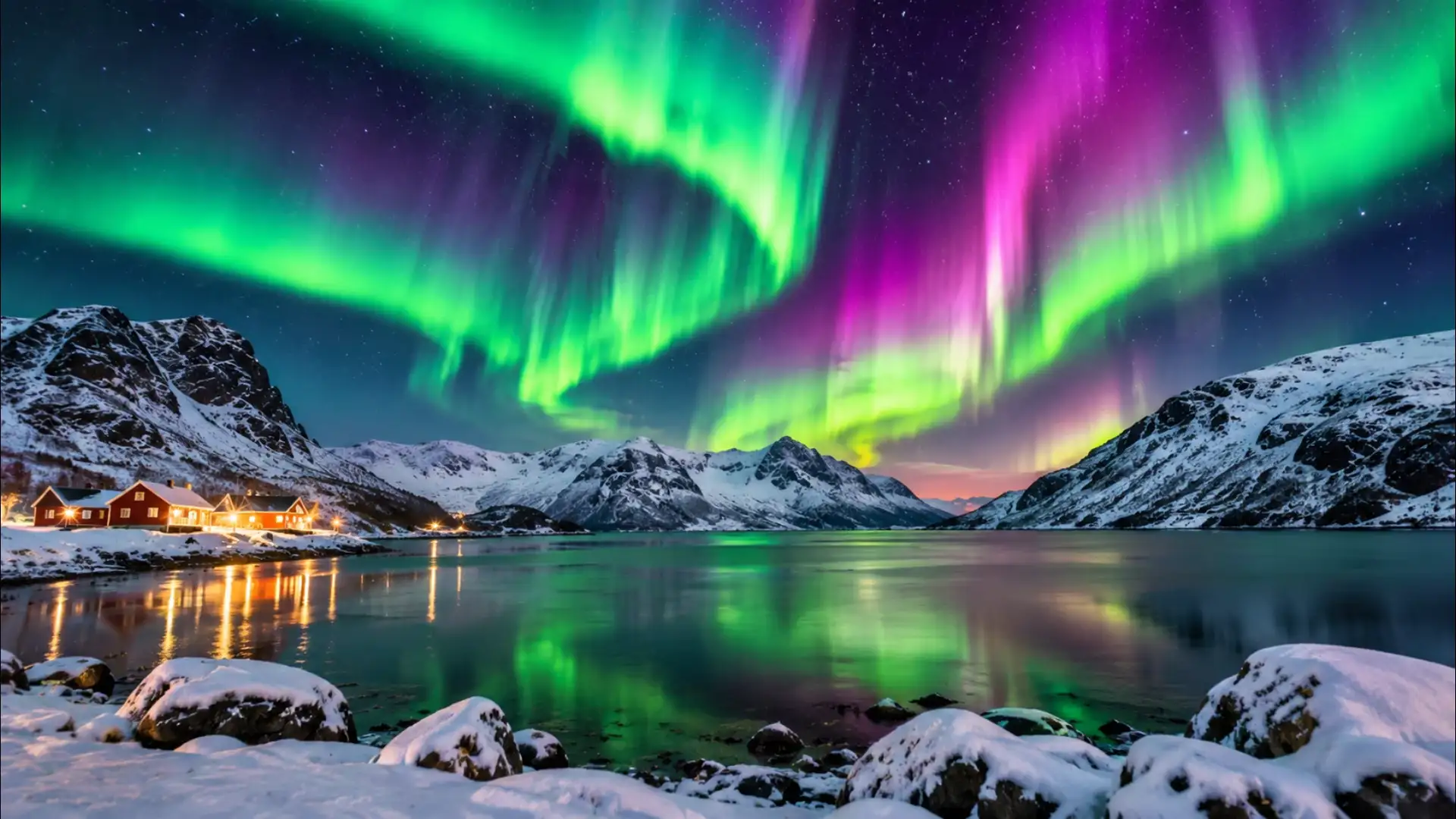
The Northern Lights are most commonly visible in regions close to the Arctic Circle. Although sightings can never be guaranteed, visiting the right destination during the darker months can improve your chances. From glass-roofed cabins to remote snowy landscapes, here are eight wonderful places to witness this magical spectacle.
Visitors can join guided Aurora-hunting tours that take them away from city lights to darker locations. Dog sledding, reindeer encounters and snowmobile rides add to the experience. The surrounding fjords and snow-covered mountains also create a beautiful setting for winter photography.
One of its biggest attractions is the opportunity to stay in glass-roofed igloos, where visitors can watch the night sky from the comfort of their beds. Besides Aurora viewing, travellers can enjoy reindeer sleigh rides, husky safaris and visits to Santa Claus Village.
Northern Iceland, particularly the areas around Akureyri and Lake Mývatn, offers beautiful landscapes for Aurora watching. Visitors can combine their search for the lights with trips to waterfalls, volcanic formations, geothermal hot springs and snow-covered countryside.
The best experience often comes from spending several nights in different locations, as cloud cover can affect visibility.
The famous Aurora Sky Station, situated in Abisko National Park, provides an elevated viewing location with wide views of the night sky. Visitors can also explore snowy mountain trails, frozen lakes and peaceful wilderness areas.
For travellers who enjoy nature and photography, Abisko offers a memorable combination of Arctic scenery and night-sky experiences.
The Northern Lights season generally runs from late August to April. Visitors can head to remote viewing locations away from artificial lights or stay in lodges designed for Aurora watching. Chena Hot Springs is another popular attraction, where travellers can enjoy warm geothermal waters while surrounded by snowy scenery.
Visitors can experience the colourful lights from designated viewing areas, lakeside locations and specially designed Aurora villages. During the day, travellers can explore the surrounding wilderness, enjoy winter activities and learn about the region's Indigenous culture.
The combination of peaceful landscapes and spectacular night skies makes Yellowknife a memorable winter holiday destination.
Travellers can watch the Aurora Borealis illuminate the sky above traditional red fishing cabins, rugged coastlines and snow-covered peaks. Places such as Reine and Svolvær are popular starting points for exploring the islands.
Apart from Aurora watching, visitors can enjoy photography, scenic drives and peaceful coastal walks. The combination of Arctic scenery and colourful skies makes Lofoten a wonderful destination for nature lovers.
Destinations such as Kangerlussuaq and Ilulissat are popular choices for Aurora enthusiasts. Away from major sources of artificial light, visitors can enjoy uninterrupted views of the night sky when weather and solar activity conditions are favourable.
During the day, travellers can explore icebergs, visit traditional settlements and experience Greenland's unique Arctic environment. It is an ideal destination for those who want to combine Northern Lights viewing with an adventurous holiday.
The ideal time also depends on local weather conditions, cloud cover and solar activity. Travellers should consider spending at least three nights at their chosen destination to improve their chances of witnessing the phenomenon. No destination can guarantee a sighting.
The Northern Lights are most commonly visible in regions close to the Arctic Circle. Although sightings can never be guaranteed, visiting the right destination during the darker months can improve your chances. From glass-roofed cabins to remote snowy landscapes, here are eight wonderful places to witness this magical spectacle.
1. Tromso, Norway
Tromsø is among the most famous destinations for watching the Northern Lights. Located in northern Norway, well above the Arctic Circle, the city offers excellent opportunities to witness the colourful display during the winter months.Visitors can join guided Aurora-hunting tours that take them away from city lights to darker locations. Dog sledding, reindeer encounters and snowmobile rides add to the experience. The surrounding fjords and snow-covered mountains also create a beautiful setting for winter photography.
2. Rovaniemi, Finland
Rovaniemi, located in Finnish Lapland, is a wonderful destination for travellers looking for a memorable Northern Lights holiday. The region is known for its peaceful forests, frozen landscapes and cosy accommodation options.One of its biggest attractions is the opportunity to stay in glass-roofed igloos, where visitors can watch the night sky from the comfort of their beds. Besides Aurora viewing, travellers can enjoy reindeer sleigh rides, husky safaris and visits to Santa Claus Village.
3. Reykjavik and Northern Iceland
Iceland is one of the most exciting destinations for Northern Lights enthusiasts. While Reykjavik offers a convenient starting point, travellers often head towards darker areas outside the city for better viewing conditions.Northern Iceland, particularly the areas around Akureyri and Lake Mývatn, offers beautiful landscapes for Aurora watching. Visitors can combine their search for the lights with trips to waterfalls, volcanic formations, geothermal hot springs and snow-covered countryside.
The best experience often comes from spending several nights in different locations, as cloud cover can affect visibility.
4. Abisko, Sweden
Abisko in Swedish Lapland is considered one of the attractive places to see the Northern Lights. Its location and local weather conditions make it a popular choice among Aurora watchers.The famous Aurora Sky Station, situated in Abisko National Park, provides an elevated viewing location with wide views of the night sky. Visitors can also explore snowy mountain trails, frozen lakes and peaceful wilderness areas.
For travellers who enjoy nature and photography, Abisko offers a memorable combination of Arctic scenery and night-sky experiences.
5. Fairbanks, Alaska, USA
Fairbanks is one of the best-known destinations in North America for Northern Lights viewing. Located in the interior of Alaska, the city sits beneath the auroral oval, making it a popular choice for travellers hoping to witness the phenomenon.The Northern Lights season generally runs from late August to April. Visitors can head to remote viewing locations away from artificial lights or stay in lodges designed for Aurora watching. Chena Hot Springs is another popular attraction, where travellers can enjoy warm geothermal waters while surrounded by snowy scenery.
6. Yellowknife, Canada
Yellowknife, the capital of Canada's Northwest Territories, is another excellent destination for watching the Northern Lights. Its location beneath the auroral oval and relatively dry climate make it particularly attractive for Aurora enthusiasts.Visitors can experience the colourful lights from designated viewing areas, lakeside locations and specially designed Aurora villages. During the day, travellers can explore the surrounding wilderness, enjoy winter activities and learn about the region's Indigenous culture.
The combination of peaceful landscapes and spectacular night skies makes Yellowknife a memorable winter holiday destination.
7. Lofoten Islands, Norway
The Lofoten Islands offer a different setting for Northern Lights viewing. Known for their dramatic mountains, fishing villages, beautiful beaches and scenic fjords, these Norwegian islands become particularly enchanting during the winter months.Travellers can watch the Aurora Borealis illuminate the sky above traditional red fishing cabins, rugged coastlines and snow-covered peaks. Places such as Reine and Svolvær are popular starting points for exploring the islands.
Apart from Aurora watching, visitors can enjoy photography, scenic drives and peaceful coastal walks. The combination of Arctic scenery and colourful skies makes Lofoten a wonderful destination for nature lovers.
8. Greenland
For travellers looking for a less conventional Arctic adventure, Greenland offers an unforgettable Northern Lights experience. Its vast landscapes, remote settlements, glaciers and ice-covered surroundings provide a stunning backdrop for watching the Aurora Borealis.Destinations such as Kangerlussuaq and Ilulissat are popular choices for Aurora enthusiasts. Away from major sources of artificial light, visitors can enjoy uninterrupted views of the night sky when weather and solar activity conditions are favourable.
During the day, travellers can explore icebergs, visit traditional settlements and experience Greenland's unique Arctic environment. It is an ideal destination for those who want to combine Northern Lights viewing with an adventurous holiday.
When Is the Best Time to See the Northern Lights?
The Northern Lights are generally visible between September and March or early April in many popular Arctic destinations. During this period, longer nights and darker skies provide better viewing opportunities.The ideal time also depends on local weather conditions, cloud cover and solar activity. Travellers should consider spending at least three nights at their chosen destination to improve their chances of witnessing the phenomenon. No destination can guarantee a sighting.
Tips for Planning a Northern Lights Trip
- Choose the right season: Plan your trip between September and March for longer hours of darkness.
- Stay away from city lights: Remote locations generally offer better viewing conditions.
- Check weather forecasts: Clear skies are essential for watching the Aurora.
- Carry warm clothing: Arctic destinations can experience extremely low temperatures during winter.
- Keep your schedule flexible: The Northern Lights are unpredictable, so avoid planning your entire trip around a single night.
Next Story