
Best Tiger Safari Destinations in India for Wildlife Lovers

Few wildlife experiences compare with seeing a Bengal tiger moving quietly through its natural habitat. India is one of the most important countries for wild tiger conservation and has an extensive network of tiger reserves spread across several states. These protected landscapes range from dry deciduous forests and grasslands to dense sal forests, wetlands and mangrove ecosystems.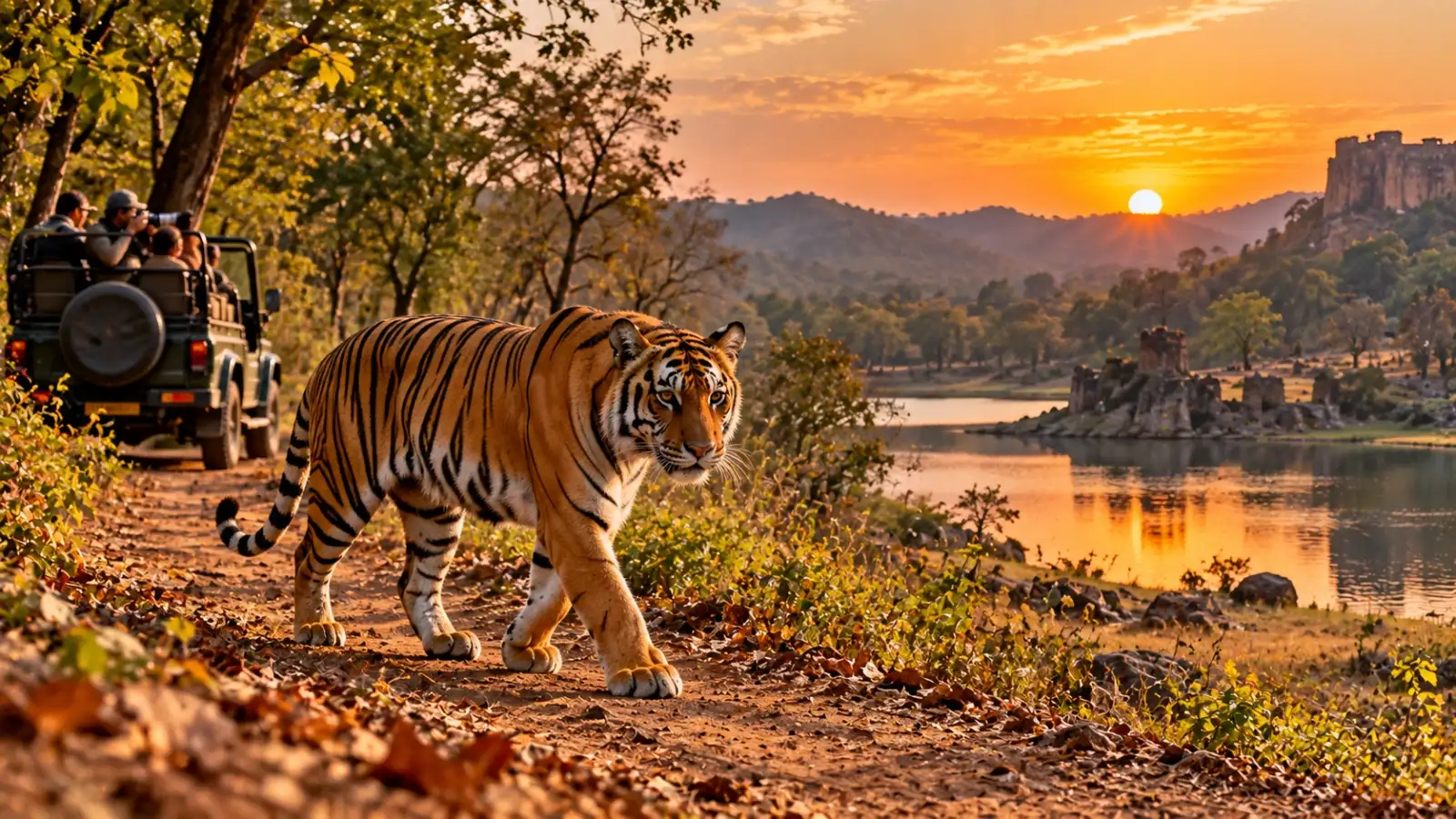
A tiger safari is not simply about finding a large cat. The experience involves travelling through forests, watching deer and langurs, listening for alarm calls and observing the wider ecosystem in which tigers live. A sighting is never guaranteed because these are wild animals moving freely through large protected areas.
Some reserves are particularly well known among wildlife travellers, while others offer a quieter and very different safari experience. Here are some of the places worth considering when planning a tiger-focused wildlife holiday in India.
The reserve is also home to leopards, sloth bears, wild dogs, sambar, chital and several other species. The presence of water sources can make certain areas particularly interesting during hotter periods, although wildlife movements naturally change with season and weather.
Tadoba is listed by the National Tiger Conservation Authority among India's officially recognised tiger reserves. The reserve has a core area of about 626 square kilometres and a buffer area of around 1,102 square kilometres.
The forest is also home to leopards, sloth bears, wild dogs, deer and numerous bird species. Travellers visiting the reserve should remember that the forest is much more than a tiger habitat. The prey species, vegetation and water sources all form part of the ecosystem supporting its wildlife.
Bandhavgarh is one of the Madhya Pradesh reserves officially listed by the NTCA, with a total tiger reserve area of more than 1,500 square kilometres including core and buffer zones.
The reserve is also known for elephants, leopards, deer, crocodiles and a large variety of birds. The combination of forest and open areas means that a safari can involve considerably more than searching for a tiger.
The NTCA lists Corbett among India's tiger reserves, with a total reserve area of more than 1,288 square kilometres when its core and buffer areas are combined.
Corbett can be particularly appealing to first-time safari travellers because it offers an established wildlife tourism infrastructure while retaining a large and varied natural landscape.
Tigers share this habitat with barasingha, chital, sambar, gaur, wild dogs and numerous bird species. The reserve's conservation story is also significant, particularly in relation to the hard-ground barasingha, which has been the focus of long-running conservation efforts.
Kanha has a core area of more than 917 square kilometres and a buffer area exceeding 1,134 square kilometres, according to the NTCA's tiger reserve listing.
For travellers who want to combine tiger tracking with broader wildlife observation, Kanha offers a diverse forest environment rather than a single-species experience.
The presence of Ranthambore Fort gives the landscape an unusual historical dimension. During a safari, visitors may encounter wildlife against a backdrop of old structures, lakes and rugged hills.
Ranthambore is officially listed as a tiger reserve by the NTCA, with a total area of more than 1,411 square kilometres across its core and buffer zones.
Because it is a popular wildlife destination, advance planning is sensible, particularly during busy travel periods. Rajasthan Tourism also advises visitors to make reservations in advance.
The landscape includes forests, open areas and water bodies that support tigers alongside leopards, wild dogs, deer, gaur and many bird species. The varied terrain can make each safari feel different depending on where wildlife is moving.
Pench is an interesting choice for travellers who want a central Indian forest experience but also want to explore a reserve with a strong literary association.
The landscape supports tigers as well as leopards, sloth bears, gaur, wild dogs and several species of deer. Satpura is also associated with nature-based experiences beyond conventional jeep safaris, subject to current park rules and permitted zones.
With a total area exceeding 2,133 square kilometres across its core and buffer zones, Satpura is one of the larger tiger reserves listed by the NTCA.
The reserve can appeal to travellers who want to experience the forest itself rather than treating a tiger sighting as the sole objective of the trip.
Its location makes it particularly convenient for travellers exploring the Delhi, Jaipur and Alwar circuit. Rajasthan Tourism lists Sariska among the state's wildlife destinations and highlights its wildlife habitat within the Aravalli landscape.
The reserve also supports species such as leopards, sambar, chital, nilgai and wild boar. A safari here can therefore be rewarding even when a tiger remains hidden, because the surrounding ecosystem offers plenty of other wildlife to observe.
The reserve is known for its dry and moist deciduous forests, grasslands and wildlife diversity. Tigers share the landscape with elephants, leopards, gaur, deer and numerous bird species.
Bandipur can also be combined with other wildlife destinations in the broader Nilgiri landscape, creating an itinerary that focuses on the wider ecosystem rather than a single reserve.
Its forests, rivers and open clearings support tigers alongside elephants, leopards, gaur, wild dogs, deer and many bird species. The varied habitat makes it possible to encounter a wide range of wildlife during a safari.
The NTCA officially lists Nagarhole among Karnataka's tiger reserves.
The reserve is particularly interesting for travellers who want to explore the wildlife of southern India, where the landscape and vegetation can look very different from the dry forests of Rajasthan and central India.
The reserve is known for its rich biodiversity and is home to tigers, leopards, swamp deer, elephants and several other species. Its grassland habitats are particularly important for species that depend on open areas.
Dudhwa is officially listed by the NTCA as one of Uttar Pradesh's tiger reserves.
For travellers based in northern India, Dudhwa can provide an alternative to the more heavily visited wildlife destinations of Rajasthan and Madhya Pradesh.
The NTCA lists Sundarbans among India's tiger reserves, with a total reserve area of more than 2,584 square kilometres across core and buffer areas.
Tigers here have adapted to an environment dominated by tides, mudflats, creeks and mangrove vegetation. This makes the experience very different from a traditional jeep safari. Wildlife exploration is closely connected with the waterways and the complex geography of the delta.
A visit to the Sundarbans is therefore as much about understanding a unique ecosystem as it is about looking for a tiger.
Safari zones, opening dates, vehicle rules and booking procedures vary between reserves. Some parks also have seasonal closures or restrictions linked to weather, breeding seasons, forest management and conservation requirements. Checking the relevant forest department or official reserve website before booking is essential.
The National Tiger Conservation Authority maintains an official list of India's tiger reserves and links to reserve-specific information and ecotourism resources.
Southern reserves such as Bandipur and Nagarhole introduce travellers to the wildlife of the Western Ghats, while Dudhwa offers the distinctive Terai ecosystem. Each reserve has its own character, wildlife and seasonal conditions.
Most importantly, visitors should follow safari rules, maintain a safe distance from animals, avoid disturbing wildlife and never encourage drivers or guides to behave irresponsibly for a closer photograph. Tiger tourism works best when the animal remains wild and the forest remains the priority.
A tiger safari is not simply about finding a large cat. The experience involves travelling through forests, watching deer and langurs, listening for alarm calls and observing the wider ecosystem in which tigers live. A sighting is never guaranteed because these are wild animals moving freely through large protected areas.
Some reserves are particularly well known among wildlife travellers, while others offer a quieter and very different safari experience. Here are some of the places worth considering when planning a tiger-focused wildlife holiday in India.
Tadoba Andhari Tiger Reserve, Maharashtra
Tadoba Andhari Tiger Reserve has become one of Maharashtra's best known destinations for tiger safaris. The reserve combines dry deciduous forests with bamboo, grasslands and water bodies, creating a landscape where tigers and their prey can be found across different habitats.The reserve is also home to leopards, sloth bears, wild dogs, sambar, chital and several other species. The presence of water sources can make certain areas particularly interesting during hotter periods, although wildlife movements naturally change with season and weather.
Tadoba is listed by the National Tiger Conservation Authority among India's officially recognised tiger reserves. The reserve has a core area of about 626 square kilometres and a buffer area of around 1,102 square kilometres.
Bandhavgarh Tiger Reserve , Madhya Pradesh
Bandhavgarh is surrounded by a landscape of forests, grasslands and rocky terrain in Madhya Pradesh. The reserve has long attracted wildlife enthusiasts interested in tigers, while its historic Bandhavgarh Fort adds an unusual cultural element to the safari experience.The forest is also home to leopards, sloth bears, wild dogs, deer and numerous bird species. Travellers visiting the reserve should remember that the forest is much more than a tiger habitat. The prey species, vegetation and water sources all form part of the ecosystem supporting its wildlife.
Bandhavgarh is one of the Madhya Pradesh reserves officially listed by the NTCA, with a total tiger reserve area of more than 1,500 square kilometres including core and buffer zones.
Jim Corbett National Park, Uttarakhand
Jim Corbett is one of India's most established wildlife destinations and is part of the Corbett Tiger Reserve . Its landscape includes sal forests, grasslands, rivers and several water bodies, creating a varied habitat for wildlife.The reserve is also known for elephants, leopards, deer, crocodiles and a large variety of birds. The combination of forest and open areas means that a safari can involve considerably more than searching for a tiger.
The NTCA lists Corbett among India's tiger reserves, with a total reserve area of more than 1,288 square kilometres when its core and buffer areas are combined.
Corbett can be particularly appealing to first-time safari travellers because it offers an established wildlife tourism infrastructure while retaining a large and varied natural landscape.
Kanha Tiger Reserve , Madhya Pradesh
Kanha is another major tiger reserve in Madhya Pradesh and is known for its extensive sal and bamboo forests, meadows and wildlife-rich landscape. The reserve is particularly notable for the way its open meadows contrast with surrounding woodland.Tigers share this habitat with barasingha, chital, sambar, gaur, wild dogs and numerous bird species. The reserve's conservation story is also significant, particularly in relation to the hard-ground barasingha, which has been the focus of long-running conservation efforts.
Kanha has a core area of more than 917 square kilometres and a buffer area exceeding 1,134 square kilometres, according to the NTCA's tiger reserve listing.
For travellers who want to combine tiger tracking with broader wildlife observation, Kanha offers a diverse forest environment rather than a single-species experience.
Ranthambore Tiger Reserve, Rajasthan
Ranthambore is among India's most recognisable tiger safari destinations. Its landscape is distinctive because ancient ruins, lakes, dry forests and rocky hills exist within the same protected area. Rajasthan Tourism describes it as an important habitat for tigers and several other species, including leopards, sloth bears, hyenas and crocodiles.The presence of Ranthambore Fort gives the landscape an unusual historical dimension. During a safari, visitors may encounter wildlife against a backdrop of old structures, lakes and rugged hills.
Ranthambore is officially listed as a tiger reserve by the NTCA, with a total area of more than 1,411 square kilometres across its core and buffer zones.
Because it is a popular wildlife destination, advance planning is sensible, particularly during busy travel periods. Rajasthan Tourism also advises visitors to make reservations in advance.
Pench Tiger Reserve, Madhya Pradesh
Pench lies across Madhya Pradesh and Maharashtra and is associated with the forest landscape that inspired Rudyard Kipling's descriptions of the region in The Jungle Book. The Madhya Pradesh side is officially listed as Pench Tiger Reserve by the NTCA.The landscape includes forests, open areas and water bodies that support tigers alongside leopards, wild dogs, deer, gaur and many bird species. The varied terrain can make each safari feel different depending on where wildlife is moving.
Pench is an interesting choice for travellers who want a central Indian forest experience but also want to explore a reserve with a strong literary association.
Satpura Tiger Reserve, Madhya Pradesh
Satpura offers a somewhat different wildlife experience from many of India's more conventional tiger safari destinations. The reserve is characterised by rugged hills, deep valleys, forests, grasslands and water bodies.The landscape supports tigers as well as leopards, sloth bears, gaur, wild dogs and several species of deer. Satpura is also associated with nature-based experiences beyond conventional jeep safaris, subject to current park rules and permitted zones.
With a total area exceeding 2,133 square kilometres across its core and buffer zones, Satpura is one of the larger tiger reserves listed by the NTCA.
The reserve can appeal to travellers who want to experience the forest itself rather than treating a tiger sighting as the sole objective of the trip.
Sariska Tiger Reserve, Rajasthan
Sariska is located in Rajasthan's Alwar district and offers a combination of dry forest, hills, grasslands and historic structures. The reserve is among Rajasthan's officially recognised tiger reserves.Its location makes it particularly convenient for travellers exploring the Delhi, Jaipur and Alwar circuit. Rajasthan Tourism lists Sariska among the state's wildlife destinations and highlights its wildlife habitat within the Aravalli landscape.
The reserve also supports species such as leopards, sambar, chital, nilgai and wild boar. A safari here can therefore be rewarding even when a tiger remains hidden, because the surrounding ecosystem offers plenty of other wildlife to observe.
Bandipur Tiger Reserve, Karnataka
Bandipur is part of one of southern India's important connected forest landscapes and lies in Karnataka's Western Ghats region. It is officially recognised as a tiger reserve and has a total area of more than 1,456 square kilometres across its core and buffer zones.The reserve is known for its dry and moist deciduous forests, grasslands and wildlife diversity. Tigers share the landscape with elephants, leopards, gaur, deer and numerous bird species.
Bandipur can also be combined with other wildlife destinations in the broader Nilgiri landscape, creating an itinerary that focuses on the wider ecosystem rather than a single reserve.
Nagarhole Tiger Reserve, Karnataka
Nagarhole, also known as Rajiv Gandhi National Park, is another major wildlife destination in Karnataka. The reserve is part of the larger forest landscape connecting several protected areas in southern India.Its forests, rivers and open clearings support tigers alongside elephants, leopards, gaur, wild dogs, deer and many bird species. The varied habitat makes it possible to encounter a wide range of wildlife during a safari.
The NTCA officially lists Nagarhole among Karnataka's tiger reserves.
The reserve is particularly interesting for travellers who want to explore the wildlife of southern India, where the landscape and vegetation can look very different from the dry forests of Rajasthan and central India.
Dudhwa Tiger Reserve, Uttar Pradesh
Dudhwa offers a very different setting from the rocky and dry landscapes associated with several central and western Indian reserves. Located in the Terai region of Uttar Pradesh, its landscape includes grasslands, wetlands and forests.The reserve is known for its rich biodiversity and is home to tigers, leopards, swamp deer, elephants and several other species. Its grassland habitats are particularly important for species that depend on open areas.
Dudhwa is officially listed by the NTCA as one of Uttar Pradesh's tiger reserves.
For travellers based in northern India, Dudhwa can provide an alternative to the more heavily visited wildlife destinations of Rajasthan and Madhya Pradesh.
Sundarbans Tiger Reserve, West Bengal
The Sundarbans is perhaps India's most unusual tiger habitat. Instead of dry forest or grassland, the reserve consists of an intricate network of mangrove forests, tidal waterways and islands.The NTCA lists Sundarbans among India's tiger reserves, with a total reserve area of more than 2,584 square kilometres across core and buffer areas.
Tigers here have adapted to an environment dominated by tides, mudflats, creeks and mangrove vegetation. This makes the experience very different from a traditional jeep safari. Wildlife exploration is closely connected with the waterways and the complex geography of the delta.
A visit to the Sundarbans is therefore as much about understanding a unique ecosystem as it is about looking for a tiger.
How to Plan a Tiger Safari in India
The most important thing to remember is that there is no guaranteed tiger sighting in a genuine wildlife reserve. Tigers move through large territories and can remain hidden in dense vegetation for hours or days. A responsible safari should therefore be approached as an opportunity to observe an ecosystem rather than as a guaranteed wildlife encounter.Safari zones, opening dates, vehicle rules and booking procedures vary between reserves. Some parks also have seasonal closures or restrictions linked to weather, breeding seasons, forest management and conservation requirements. Checking the relevant forest department or official reserve website before booking is essential.
The National Tiger Conservation Authority maintains an official list of India's tiger reserves and links to reserve-specific information and ecotourism resources.
Choose the Landscape, Not Just the Tiger
A tiger safari becomes more memorable when the entire forest is part of the experience. Ranthambore offers dry forests and historic ruins, Kanha and Bandhavgarh provide classic central Indian landscapes, Corbett combines forests with rivers and grasslands, while Sundarbans presents an entirely different mangrove environment.Southern reserves such as Bandipur and Nagarhole introduce travellers to the wildlife of the Western Ghats, while Dudhwa offers the distinctive Terai ecosystem. Each reserve has its own character, wildlife and seasonal conditions.
Most importantly, visitors should follow safari rules, maintain a safe distance from animals, avoid disturbing wildlife and never encourage drivers or guides to behave irresponsibly for a closer photograph. Tiger tourism works best when the animal remains wild and the forest remains the priority.
Next Story