
Best Plant-Based Protein Options Easily Available In Everyday Indian Kitchens

Protein plays an essential role in maintaining muscle strength, energy levels, immunity and overall health. However, many people still associate protein mainly with meat, eggs or expensive supplements. In reality, Indian kitchens already contain several affordable and nutritious plant-based protein sources that have supported balanced diets for generations.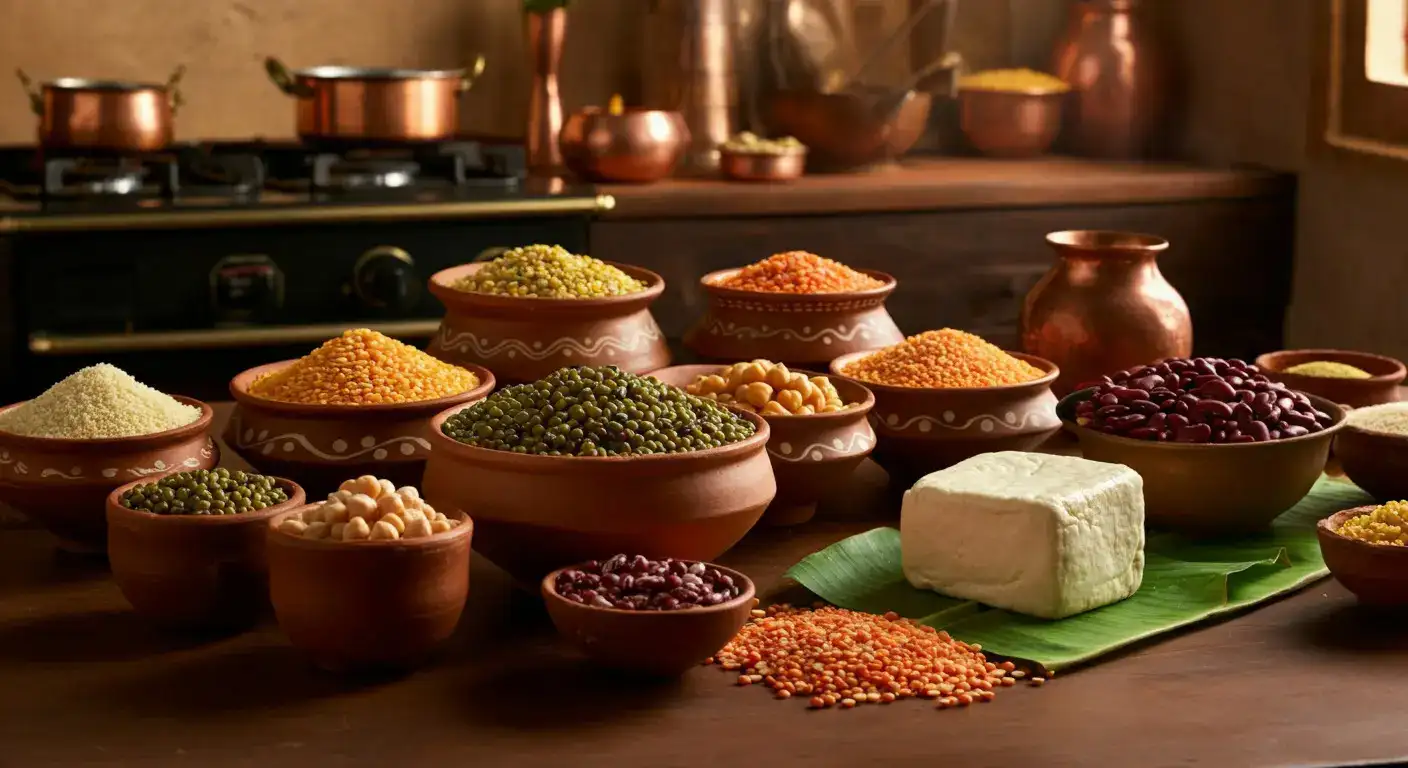
Traditional Indian meals often combine grains, lentils, dairy and vegetables in ways that naturally improve nutritional value. With growing awareness around fitness, vegetarian eating and sustainable food choices, plant-based protein has gained significant attention in recent years. Fortunately, most Indian households do not need exotic ingredients or costly imported foods to meet their protein needs.
Simple everyday ingredients such as dal, beans, paneer, soy products and nuts can contribute meaningfully to daily nutrition when consumed regularly and in balanced combinations.
In Indian diets heavily focused on carbohydrates such as rice and roti, protein intake may sometimes become insufficient if meals are not properly balanced. This can lead to fatigue, poor muscle recovery and reduced overall nutrition over time.
Adding plant-based protein to everyday meals can improve both diet quality and meal satisfaction without requiring major dietary changes.
Dal forms a major part of Indian meals and pairs naturally with rice or roti to create balanced nutrition. Combining grains with lentils helps improve amino acid balance, making meals more nutritionally complete.
Sprouted lentils may provide additional nutritional benefits and can be added to salads, chaat or light snacks. Moong sprouts, in particular, are widely used in healthy Indian meal plans.
Different varieties of dal also add diversity to meals while remaining affordable and easily available.
These foods help maintain fullness and support digestion when prepared with balanced oil and spice usage. Beans can also be added to salads, wraps or rice dishes for additional nutrition.
Roasted chana is another simple protein-rich snack commonly available across India. It offers a healthier alternative to heavily processed packaged snacks.
Including different legumes throughout the week improves dietary variety and supports better nutrient intake.
Curd and yoghurt also contribute protein while supporting digestion through beneficial bacteria. Traditional Indian meals often include curd naturally, making it easy to improve protein intake without dramatic dietary changes.
However, moderation remains important, especially with rich paneer dishes prepared using excessive cream or oil.
Simple homemade paneer preparations generally provide healthier meal options compared to heavily processed alternatives.
Soy chunks can be added to pulao, curries or cutlets, while tofu works well in stir-fries and salads. Many people also use soy products as meat alternatives in vegetarian meal plans.
Despite some debates around soy consumption, moderate intake is generally considered safe for most healthy individuals.
Combining soy with traditional Indian spices and vegetables makes it easier to adapt to familiar flavours.
Almonds, peanuts, walnuts, sesame seeds, sunflower seeds and flaxseeds can easily be included in daily meals and snacks. Peanut chutney, til laddoos and dry fruit mixes are examples of traditional Indian foods that naturally include protein-rich ingredients.
Adding nuts and seeds to breakfast bowls, smoothies or salads may further improve meal quality and energy levels.
These foods are especially useful for people looking for quick snack options between meals.
Traditional Indian diets often used millets regularly before polished grains became dominant. Rotis and porridges made from millet flour can improve fibre intake and support more balanced eating patterns.
Whole grains also provide longer-lasting energy compared to heavily refined foods.
These combinations help improve amino acid balance and make vegetarian diets more nutritionally complete.
Diversity in meals is important because no single plant food provides every nutrient in perfect amounts.
Plant-based eating also supports sustainability and may reduce dependence on highly processed foods.
Indian kitchens already contain a wide variety of protein-rich vegetarian foods that can support healthy and balanced lifestyles. Lentils, beans, paneer, soy products, nuts and millets together create nutritious meal patterns without requiring expensive dietary trends. By using traditional ingredients wisely and maintaining balanced eating habits, families can improve protein intake naturally while continuing to enjoy the comfort and diversity of Indian home cooking.
Traditional Indian meals often combine grains, lentils, dairy and vegetables in ways that naturally improve nutritional value. With growing awareness around fitness, vegetarian eating and sustainable food choices, plant-based protein has gained significant attention in recent years. Fortunately, most Indian households do not need exotic ingredients or costly imported foods to meet their protein needs.
Simple everyday ingredients such as dal, beans, paneer, soy products and nuts can contribute meaningfully to daily nutrition when consumed regularly and in balanced combinations.
Why Protein Is Important In Daily Diets
Protein is one of the body’s most important nutrients. It supports muscle repair, hormone production, immunity and healthy skin and hair. Protein also helps people feel full for longer periods, which may support better appetite control and energy balance.In Indian diets heavily focused on carbohydrates such as rice and roti, protein intake may sometimes become insufficient if meals are not properly balanced. This can lead to fatigue, poor muscle recovery and reduced overall nutrition over time.
Adding plant-based protein to everyday meals can improve both diet quality and meal satisfaction without requiring major dietary changes.
Lentils And Dal Remain Powerful Protein Sources
Lentils are among the most common and valuable plant-based protein foods in Indian kitchens. Moong dal, masoor dal, toor dal, urad dal and chana dal are rich in protein, fibre and essential nutrients.Dal forms a major part of Indian meals and pairs naturally with rice or roti to create balanced nutrition. Combining grains with lentils helps improve amino acid balance, making meals more nutritionally complete.
Sprouted lentils may provide additional nutritional benefits and can be added to salads, chaat or light snacks. Moong sprouts, in particular, are widely used in healthy Indian meal plans.
Different varieties of dal also add diversity to meals while remaining affordable and easily available.
Chickpeas, Rajma And Other Beans
Legumes such as chickpeas, kidney beans and black-eyed peas are excellent vegetarian protein sources . Rajma and chole are already deeply connected with Indian cuisine and provide both protein and fibre.These foods help maintain fullness and support digestion when prepared with balanced oil and spice usage. Beans can also be added to salads, wraps or rice dishes for additional nutrition.
Roasted chana is another simple protein-rich snack commonly available across India. It offers a healthier alternative to heavily processed packaged snacks.
Including different legumes throughout the week improves dietary variety and supports better nutrient intake.
Paneer And Dairy-Based Protein
Paneer remains one of the most popular protein-rich foods in vegetarian Indian diets. It is versatile, filling and can be included in curries, sandwiches, salads or snacks.Curd and yoghurt also contribute protein while supporting digestion through beneficial bacteria. Traditional Indian meals often include curd naturally, making it easy to improve protein intake without dramatic dietary changes.
However, moderation remains important, especially with rich paneer dishes prepared using excessive cream or oil.
Simple homemade paneer preparations generally provide healthier meal options compared to heavily processed alternatives.
Soy Products And Their Growing Popularity
Soybeans are among the richest plant-based protein sources available. Soy chunks, tofu and soy granules are now commonly used in many Indian homes due to their affordability and high protein content.Soy chunks can be added to pulao, curries or cutlets, while tofu works well in stir-fries and salads. Many people also use soy products as meat alternatives in vegetarian meal plans.
Despite some debates around soy consumption, moderate intake is generally considered safe for most healthy individuals.
Combining soy with traditional Indian spices and vegetables makes it easier to adapt to familiar flavours.
Nuts And Seeds Add Nutritional Value
Nuts and seeds may not provide as much protein as lentils or soy, but they still contribute valuable nutrients and healthy fats.Almonds, peanuts, walnuts, sesame seeds, sunflower seeds and flaxseeds can easily be included in daily meals and snacks. Peanut chutney, til laddoos and dry fruit mixes are examples of traditional Indian foods that naturally include protein-rich ingredients.
Adding nuts and seeds to breakfast bowls, smoothies or salads may further improve meal quality and energy levels.
These foods are especially useful for people looking for quick snack options between meals.
Millets And Whole Grains Support Balanced Nutrition
Millets such as ragi, bajra and jowar have regained popularity due to their nutritional value. While they may not be extremely high in protein individually, they contribute important nutrients and work well when combined with dals and legumes.Traditional Indian diets often used millets regularly before polished grains became dominant. Rotis and porridges made from millet flour can improve fibre intake and support more balanced eating patterns.
Whole grains also provide longer-lasting energy compared to heavily refined foods.
Combining Foods For Better Protein Quality
Plant-based proteins become more effective when different foods are combined thoughtfully. Indian meals naturally achieve this through combinations such as dal-rice, khichdi, curd-rice or roti with lentils.These combinations help improve amino acid balance and make vegetarian diets more nutritionally complete.
Diversity in meals is important because no single plant food provides every nutrient in perfect amounts.
Plant-Based Eating Can Be Practical And Affordable
One major advantage of Indian plant-based protein options is affordability. Unlike expensive supplements or imported health foods, most traditional ingredients are easily accessible and culturally familiar.Plant-based eating also supports sustainability and may reduce dependence on highly processed foods.
Indian kitchens already contain a wide variety of protein-rich vegetarian foods that can support healthy and balanced lifestyles. Lentils, beans, paneer, soy products, nuts and millets together create nutritious meal patterns without requiring expensive dietary trends. By using traditional ingredients wisely and maintaining balanced eating habits, families can improve protein intake naturally while continuing to enjoy the comfort and diversity of Indian home cooking.
Next Story