
Countries Where Public Transport Is Part of the Travel Experience

Public transport is often treated as a practical way to get from one attraction to another. But in some countries, the journey itself can become an important part of the holiday.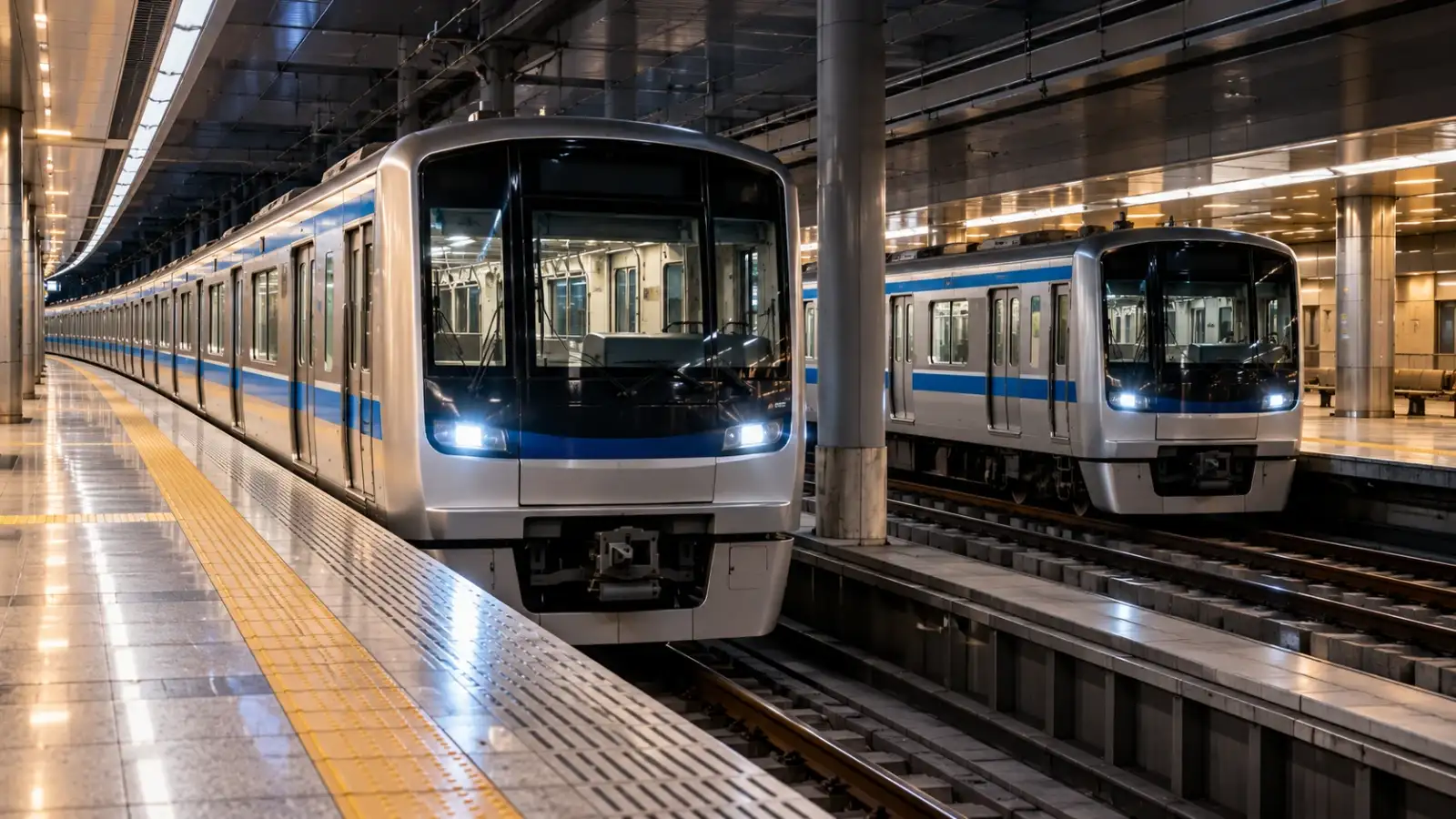
Scenic train routes pass through mountains and valleys, ferries connect islands and coastal towns, cable cars provide views from above and historic trams travel through city streets. These forms of transport can offer travellers a different perspective of a destination while also making getting around more enjoyable.
Here are 10 countries where public transport can be an experience in its own right.
Routes such as the Glacier Express and Bernina Express are particularly popular with travellers looking for panoramic journeys.
Mountain railways, funiculars, cable cars and boats also add variety to the Swiss transport experience. Even ordinary train journeys can provide impressive views through the countryside.
High-speed Shinkansen trains connect major cities, while regional trains provide access to smaller towns and scenic areas. Travellers can also experience distinctive local and sightseeing trains in different parts of the country.
Urban rail networks in Tokyo and other major cities make it possible to explore extensive metropolitan areas without relying heavily on cars.
Train journeys such as the Bergen Railway connect Oslo and Bergen across varied scenery, while the Flåm Railway is particularly known for its dramatic mountain landscape.
Ferries are also an important part of travelling through Norway's coastal regions, allowing passengers to experience the country's waterways rather than simply passing through them by road.
High-speed trains connect destinations such as Rome, Florence, Milan and Naples, while regional services can take travellers into smaller towns and countryside.
In Venice, public transport takes a completely different form. Vaporetto water buses travel through the city's canals and provide an experience that is closely connected to its geography.
Long-distance trains cross different landscapes, while heritage and mountain railways provide more specialised journeys. The Kalka-Shimla Railway and Darjeeling Himalayan Railway are among the better-known mountain routes.
Ferries, metro systems and local trains also provide different ways to experience India's cities and regions. For many travellers, a train journey becomes part of the story of the trip rather than simply a means of reaching the next destination.
Lisbon's historic trams are among the city's most recognisable forms of public transport. Travelling through the narrow streets and hills provides a very different experience from moving around the city by car.
Outside Lisbon, trains connect coastal towns and major cities, while regional services can provide access to smaller destinations.
Vienna's extensive public transport network includes trams, underground trains and buses, making it easy to explore the city without a car.
Beyond the capital, railway routes pass through mountain valleys and picturesque towns. Travelling by train can therefore become part of the sightseeing experience rather than just a practical transfer.
Scenic rail journeys pass through mountains, valleys and coastal landscapes. Ferries also connect the North and South Islands, with the Cook Strait crossing offering views of the surrounding waters and coastline.
For travellers who prefer not to drive, these options provide an alternative way to experience the country's scenery.
With numerous islands spread across the Aegean and Ionian seas, ferries are an important part of the country's transport network. The journey between islands can offer views of rocky coastlines, small ports and open water.
In Athens, the metro provides convenient access to major areas of the city, while island ferries turn a necessary journey into part of the holiday experience.
Scenic train routes pass through the Rocky Mountains and other parts of the country, offering views that are difficult to appreciate from an airport.
Ferries are also important in coastal regions, particularly around British Columbia, where travelling across the water provides views of islands and mountains.
A train journey allows you to watch towns, forests and mountains pass by without concentrating on the road. A ferry provides views from the water, while a historic tram can reveal parts of a city that might otherwise be missed.
Public transport can also encourage a slower style of travel. Instead of treating every journey as time lost between attractions, travellers can see the route itself as part of the experience.
An ordinary commuter train in Japan, a tram in Lisbon or a vaporetto in Venice can offer insight into how local residents move around their city. These everyday systems can sometimes provide a more authentic experience than specially designed tourist excursions.
The best approach is often to combine both. Take a famous scenic route when it fits the itinerary, but also use ordinary public transport to explore the destination at a more local pace.
Switzerland offers spectacular Alpine railways, Japan combines high-speed trains with extensive local networks, while Norway and New Zealand showcase landscapes from the water and railway tracks.
For travellers willing to slow down and look beyond the destination itself, sometimes the most memorable part of the trip is the journey between two places.
Scenic train routes pass through mountains and valleys, ferries connect islands and coastal towns, cable cars provide views from above and historic trams travel through city streets. These forms of transport can offer travellers a different perspective of a destination while also making getting around more enjoyable.
Here are 10 countries where public transport can be an experience in its own right.
Switzerland
Switzerland is one of the best-known countries for scenic rail travel. Its extensive railway network connects cities, towns and mountain regions while offering views of lakes, valleys and the Alps.Routes such as the Glacier Express and Bernina Express are particularly popular with travellers looking for panoramic journeys.
Mountain railways, funiculars, cable cars and boats also add variety to the Swiss transport experience. Even ordinary train journeys can provide impressive views through the countryside.
Japan
Japan's railway system is known for its efficiency, but trains are also an important part of the country's travel culture.High-speed Shinkansen trains connect major cities, while regional trains provide access to smaller towns and scenic areas. Travellers can also experience distinctive local and sightseeing trains in different parts of the country.
Urban rail networks in Tokyo and other major cities make it possible to explore extensive metropolitan areas without relying heavily on cars.
Norway
Norway's public transport can provide spectacular views of fjords, mountains and coastal landscapes.Train journeys such as the Bergen Railway connect Oslo and Bergen across varied scenery, while the Flåm Railway is particularly known for its dramatic mountain landscape.
Ferries are also an important part of travelling through Norway's coastal regions, allowing passengers to experience the country's waterways rather than simply passing through them by road.
Italy
Italy's railway network makes it possible to travel between major cities while enjoying changing landscapes along the way.High-speed trains connect destinations such as Rome, Florence, Milan and Naples, while regional services can take travellers into smaller towns and countryside.
In Venice, public transport takes a completely different form. Vaporetto water buses travel through the city's canals and provide an experience that is closely connected to its geography.
India
India's enormous railway network offers a particularly diverse travel experience.Long-distance trains cross different landscapes, while heritage and mountain railways provide more specialised journeys. The Kalka-Shimla Railway and Darjeeling Himalayan Railway are among the better-known mountain routes.
Ferries, metro systems and local trains also provide different ways to experience India's cities and regions. For many travellers, a train journey becomes part of the story of the trip rather than simply a means of reaching the next destination.
Portugal
Portugal offers a combination of urban transport and scenic rail journeys.Lisbon's historic trams are among the city's most recognisable forms of public transport. Travelling through the narrow streets and hills provides a very different experience from moving around the city by car.
Outside Lisbon, trains connect coastal towns and major cities, while regional services can provide access to smaller destinations.
Austria
Austria combines efficient rail travel with scenic journeys through the Alps.Vienna's extensive public transport network includes trams, underground trains and buses, making it easy to explore the city without a car.
Beyond the capital, railway routes pass through mountain valleys and picturesque towns. Travelling by train can therefore become part of the sightseeing experience rather than just a practical transfer.
New Zealand
New Zealand is famous for its dramatic landscapes, and several forms of public and scenic transport allow travellers to experience them without driving.Scenic rail journeys pass through mountains, valleys and coastal landscapes. Ferries also connect the North and South Islands, with the Cook Strait crossing offering views of the surrounding waters and coastline.
For travellers who prefer not to drive, these options provide an alternative way to experience the country's scenery.
Greece
Greece is particularly interesting for travellers who enjoy travelling by ferry.With numerous islands spread across the Aegean and Ionian seas, ferries are an important part of the country's transport network. The journey between islands can offer views of rocky coastlines, small ports and open water.
In Athens, the metro provides convenient access to major areas of the city, while island ferries turn a necessary journey into part of the holiday experience.
Canada
Canada's size means that long-distance journeys can reveal some of the country's most impressive landscapes.Scenic train routes pass through the Rocky Mountains and other parts of the country, offering views that are difficult to appreciate from an airport.
Ferries are also important in coastal regions, particularly around British Columbia, where travelling across the water provides views of islands and mountains.
Why Public Transport Can Improve a Holiday
Travelling by public transport can make visitors more aware of the landscape between major attractions.A train journey allows you to watch towns, forests and mountains pass by without concentrating on the road. A ferry provides views from the water, while a historic tram can reveal parts of a city that might otherwise be missed.
Public transport can also encourage a slower style of travel. Instead of treating every journey as time lost between attractions, travellers can see the route itself as part of the experience.
Scenic Transport Versus Everyday Transport
Not every memorable journey needs to be a famous scenic railway.An ordinary commuter train in Japan, a tram in Lisbon or a vaporetto in Venice can offer insight into how local residents move around their city. These everyday systems can sometimes provide a more authentic experience than specially designed tourist excursions.
The best approach is often to combine both. Take a famous scenic route when it fits the itinerary, but also use ordinary public transport to explore the destination at a more local pace.
Make the Journey Part of the Holiday
Public transport can change the way a traveller experiences a country. Instead of rushing between airports, hotels and attractions, trains, ferries, trams and other systems can become part of the journey itself.Switzerland offers spectacular Alpine railways, Japan combines high-speed trains with extensive local networks, while Norway and New Zealand showcase landscapes from the water and railway tracks.
For travellers willing to slow down and look beyond the destination itself, sometimes the most memorable part of the trip is the journey between two places.
Next Story