
Best Season to Experience Iceland's Magical Northern Lights

The Northern Lights are one of the most magical natural wonders to experience in Iceland. Green ribbons of light dancing across a dark sky, snowy landscapes and quiet nights make the experience unforgettable. But choosing the right time to visit is important. The aurora depends on darkness, solar activity and clear skies, so even the best travel dates cannot guarantee a sighting.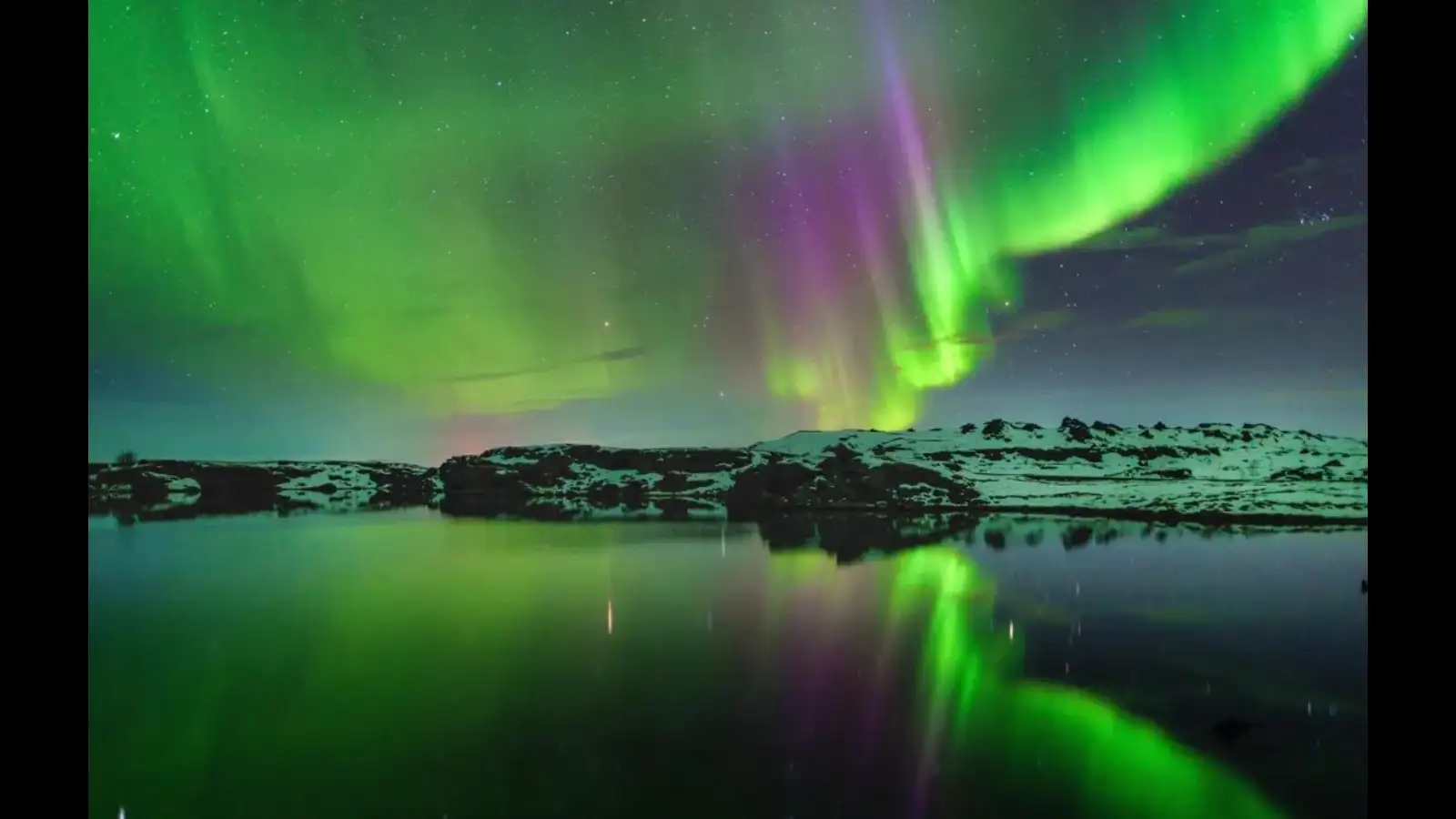
September, October, February and March are attractive months for travellers who want to combine Northern Lights viewing with daytime sightseeing. The best month depends on your preferred weather, daylight hours and winter activities.
There is no single month that guarantees the strongest display. The Northern Lights are a natural phenomenon, and sightings depend on solar activity, cloud cover and darkness.
The weather is generally milder than in the heart of winter, although rain, wind and changing conditions are still possible. This makes September a good choice for travellers who want to explore Iceland's landscapes during the day and search for the aurora at night.
The autumn equinox, around September 22 or 23, is sometimes associated with increased geomagnetic activity. However, it does not guarantee a stronger Northern Lights display on a particular night.
Travellers can explore waterfalls, volcanic landscapes and geothermal areas during daylight hours, then head out after dark to look for the aurora.
October can be a good choice for people who want a balance between autumn scenery and Northern Lights viewing. However, weather can change quickly, and rain, wind or snow may affect travel plans.
December and January are especially dark, but winter also brings challenges. Snow, strong winds, icy roads and cloud cover can affect travel plans. Visitors need warm clothing and should plan outdoor activities carefully.
Winter is a wonderful choice for travellers who want to experience Iceland's dramatic seasonal atmosphere. However, longer nights do not automatically mean a better aurora display. A cloudy winter sky can prevent a sighting.
Snow-covered landscapes can create a beautiful setting for photography. However, February remains a winter month, and weather and road conditions can change quickly.
Anyone planning to drive should check current conditions before setting out. A guided tour can be useful for visitors who are unfamiliar with Iceland's winter roads.
The spring equinox, around March 20, is another period sometimes associated with increased geomagnetic activity. This does not mean the Northern Lights will definitely appear, but it can make the period appealing to aurora hunters.
March is particularly useful for travellers who want a mix of winter scenery and longer sightseeing hours. Conditions can still be cold and snowy, so preparation remains essential.
From late May through July, and into the brighter part of August, the Midnight Sun and long daylight hours make ordinary aurora viewing impractical.
Auroral activity itself does not stop during summer. The problem is that the sky remains too bright to see the display clearly.
For this reason, travellers whose main goal is to see the Northern Lights should plan their visit outside the bright summer season.
Light pollution can also make faint displays harder to see. Travellers should consider darker locations away from brightly lit areas.
Checking the weather forecast and cloud cover is therefore just as important as checking the aurora forecast. A night with clear skies and moderate auroral activity may offer better viewing opportunities than a cloudy night with stronger activity.
Stronger solar activity can create brighter displays, but it does not guarantee that the lights will be visible from a particular location. Solar activity, darkness and clear weather all play a role.
Travellers can consider darker areas outside the city when conditions allow. Staying in Reykjavík also makes it easier to arrange guided aurora tours and explore nearby attractions during the day.
Visitors should check access and weather conditions before travelling at night. The park's natural surroundings can provide a beautiful setting for aurora photography.
The region is also suitable for travellers who want to combine aurora hunting with winter landscapes and other natural attractions.
Low-light-pollution areas can provide better conditions than brightly lit surroundings. Travellers should still check local weather and road conditions before heading out.
For most travellers, September, October, February and March are excellent months to consider for a Northern Lights holiday in Iceland. They offer a balance of darkness and opportunities for daytime sightseeing.
If your priority is the longest possible dark viewing window, the winter months from November to January are worth considering. If you prefer relatively milder conditions and a combination of sightseeing and aurora hunting, early autumn or late winter may be more suitable.
The most important thing is to allow several nights, watch the forecasts and remain flexible. Even during the best season, the Northern Lights are a natural phenomenon and never guaranteed.
Disclaimer: Northern Lights sightings depend on weather, darkness and solar activity. This article is for general travel information only. NewsPoint does not guarantee aurora visibility or travel conditions.
When Is the Best Time to Visit Iceland for Northern Lights?
The best time to visit Iceland for the Northern Lights is generally from September to March, although aurora viewing is possible from late August to mid-April when the sky is dark enough.September, October, February and March are attractive months for travellers who want to combine Northern Lights viewing with daytime sightseeing. The best month depends on your preferred weather, daylight hours and winter activities.
There is no single month that guarantees the strongest display. The Northern Lights are a natural phenomenon, and sightings depend on solar activity, cloud cover and darkness.
Best Months to See the Northern Lights in Iceland
September: The Start of the Aurora Season
September marks the return of darker nights after Iceland's bright summer season. As the month progresses, the hours of darkness increase, making Northern Lights viewing more practical.The weather is generally milder than in the heart of winter, although rain, wind and changing conditions are still possible. This makes September a good choice for travellers who want to explore Iceland's landscapes during the day and search for the aurora at night.
The autumn equinox, around September 22 or 23, is sometimes associated with increased geomagnetic activity. However, it does not guarantee a stronger Northern Lights display on a particular night.
October: A Good Balance of Darkness and Sightseeing
October is often a practical month for an Iceland Northern Lights trip. The nights are long enough for viewing, while the season is not yet at its coldest.Travellers can explore waterfalls, volcanic landscapes and geothermal areas during daylight hours, then head out after dark to look for the aurora.
October can be a good choice for people who want a balance between autumn scenery and Northern Lights viewing. However, weather can change quickly, and rain, wind or snow may affect travel plans.
November to January: Long Winter Nights
November, December and January offer some of the longest periods of darkness in Iceland. This creates a generous window for searching for the Northern Lights.December and January are especially dark, but winter also brings challenges. Snow, strong winds, icy roads and cloud cover can affect travel plans. Visitors need warm clothing and should plan outdoor activities carefully.
Winter is a wonderful choice for travellers who want to experience Iceland's dramatic seasonal atmosphere. However, longer nights do not automatically mean a better aurora display. A cloudy winter sky can prevent a sighting.
February: Winter Scenery and Aurora Hunting
February offers a useful combination of dark nights and increasing daylight compared with the middle of winter. Travellers can enjoy more daylight for sightseeing while still having plenty of darkness for Northern Lights searches.Snow-covered landscapes can create a beautiful setting for photography. However, February remains a winter month, and weather and road conditions can change quickly.
Anyone planning to drive should check current conditions before setting out. A guided tour can be useful for visitors who are unfamiliar with Iceland's winter roads.
March: A Strong Choice for Aurora and Daytime Activities
March is another appealing month for Northern Lights trips. The days become longer, making it easier to explore Iceland during daylight, while the nights remain sufficiently dark for aurora viewing.The spring equinox, around March 20, is another period sometimes associated with increased geomagnetic activity. This does not mean the Northern Lights will definitely appear, but it can make the period appealing to aurora hunters.
March is particularly useful for travellers who want a mix of winter scenery and longer sightseeing hours. Conditions can still be cold and snowy, so preparation remains essential.
Can You See the Northern Lights in Summer?
The Northern Lights are not normally visible in Iceland during the bright summer months because the sky does not become dark enough.From late May through July, and into the brighter part of August, the Midnight Sun and long daylight hours make ordinary aurora viewing impractical.
Auroral activity itself does not stop during summer. The problem is that the sky remains too bright to see the display clearly.
For this reason, travellers whose main goal is to see the Northern Lights should plan their visit outside the bright summer season.
What Conditions Are Needed to See the Aurora?
Choosing the right month is only the first step. Three important conditions need to come together for a successful sighting.1. Dark Skies
The aurora is best viewed when the sky is sufficiently dark. This is why autumn, winter and early spring are more suitable than summer in Iceland.Light pollution can also make faint displays harder to see. Travellers should consider darker locations away from brightly lit areas.
2. Clear or Partly Clear Weather
Cloud cover can block the Northern Lights even when auroral activity is strong.Checking the weather forecast and cloud cover is therefore just as important as checking the aurora forecast. A night with clear skies and moderate auroral activity may offer better viewing opportunities than a cloudy night with stronger activity.
3. Solar Activity
The Northern Lights are caused by interactions between charged particles from the Sun and Earth's atmosphere.Stronger solar activity can create brighter displays, but it does not guarantee that the lights will be visible from a particular location. Solar activity, darkness and clear weather all play a role.
Best Places in Iceland to Look for the Northern Lights
Reykjavík
Iceland's capital is a convenient base for Northern Lights tours. However, artificial light can make faint displays harder to see.Travellers can consider darker areas outside the city when conditions allow. Staying in Reykjavík also makes it easier to arrange guided aurora tours and explore nearby attractions during the day.
Þingvellir National Park
Þingvellir National Park is a popular Northern Lights viewing area because it offers open landscapes and opportunities to get away from city lights.Visitors should check access and weather conditions before travelling at night. The park's natural surroundings can provide a beautiful setting for aurora photography.
North Iceland
North Iceland is known for its dark skies and wide-open landscapes. Areas around Lake Mývatn and other rural locations can offer attractive settings for Northern Lights viewing.The region is also suitable for travellers who want to combine aurora hunting with winter landscapes and other natural attractions.
Reykjanes Peninsula
The Reykjanes Peninsula, near Reykjavík and Keflavík International Airport, has several locations popular for Northern Lights viewing.Low-light-pollution areas can provide better conditions than brightly lit surroundings. Travellers should still check local weather and road conditions before heading out.
Tips to Improve Your Chances of Seeing the Northern Lights
- Stay for at least three to five nights. This gives you more opportunities to find a clear night and favourable auroral conditions.
- Check Iceland's weather forecast and cloud cover before heading out.
- Use an aurora forecast as a guide, not a guarantee.
- Choose a location away from bright city lights.
- Dress in warm, windproof and waterproof layers.
- If driving, check road conditions and weather alerts before leaving.
- Consider a guided Northern Lights tour if you are unfamiliar with winter driving in Iceland.
- Keep your schedule flexible, as the aurora may appear late at night or during changing weather conditions.
For most travellers, September, October, February and March are excellent months to consider for a Northern Lights holiday in Iceland. They offer a balance of darkness and opportunities for daytime sightseeing.
If your priority is the longest possible dark viewing window, the winter months from November to January are worth considering. If you prefer relatively milder conditions and a combination of sightseeing and aurora hunting, early autumn or late winter may be more suitable.
The most important thing is to allow several nights, watch the forecasts and remain flexible. Even during the best season, the Northern Lights are a natural phenomenon and never guaranteed.
Disclaimer: Northern Lights sightings depend on weather, darkness and solar activity. This article is for general travel information only. NewsPoint does not guarantee aurora visibility or travel conditions.
Next Story