
Best Time to Visit South Korea: Travel Tips for Every Season

South Korea is a destination that changes its personality with the seasons. Spring brings cherry blossoms and mild weather, summer is lively and green, autumn paints the landscapes in shades of red and gold, while winter turns the country into a snowy escape. Choosing the right season can make your trip more comfortable and memorable.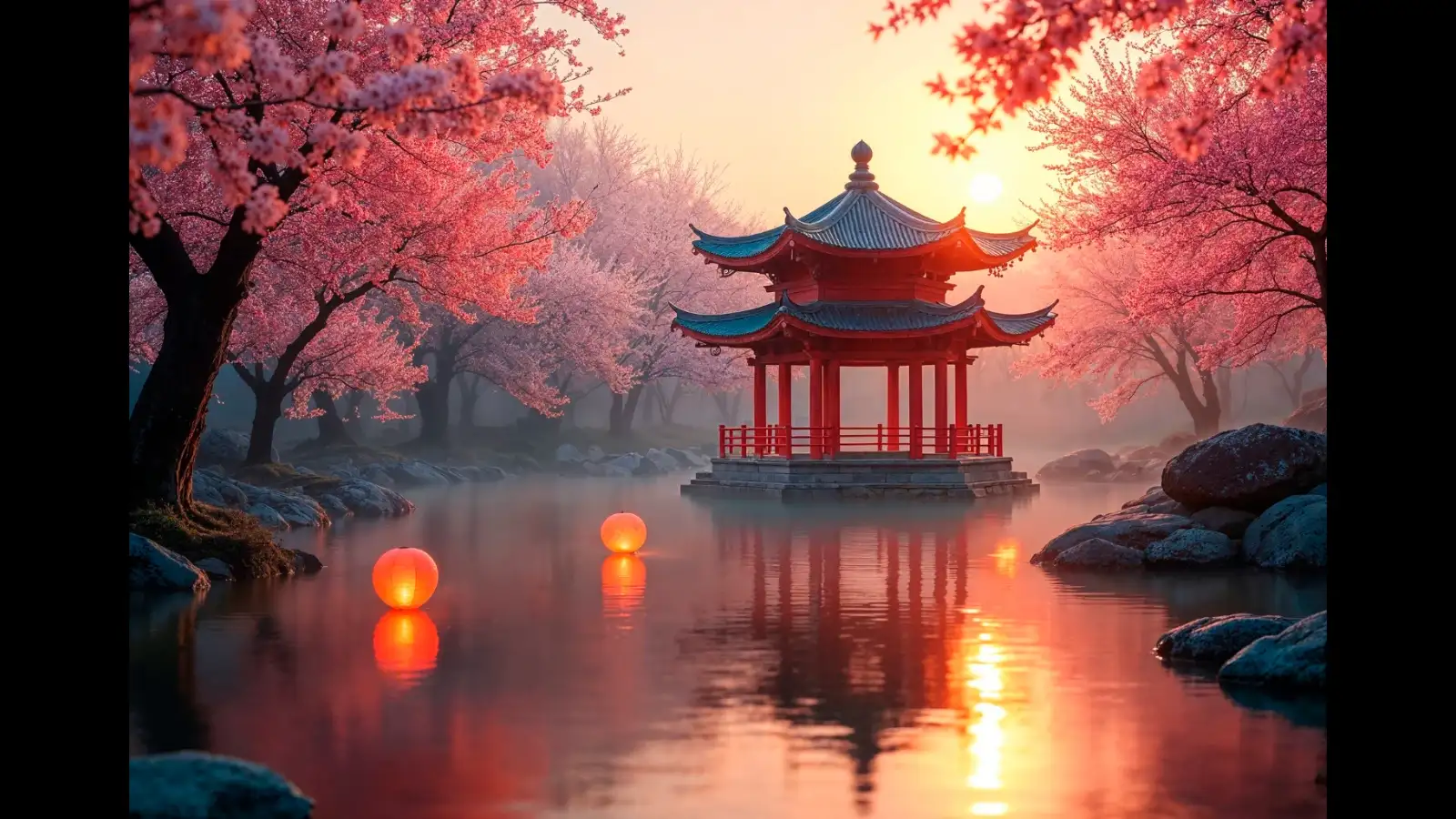
April is especially popular for cherry blossoms, with Seoul, Busan and other destinations attracting visitors hoping to see the blooms. Pack light layers, as mornings and evenings can still feel cool.
Travel tip: Book hotels and popular attractions early if you are travelling during peak cherry blossom season.
Busan is a popular choice during this season, while Jeju Island offers beaches, hiking trails and beautiful coastal scenery.
Travel tip: Carry breathable clothes, sunscreen and an umbrella. Check the weather forecast regularly, especially during the rainy season.
Places such as Nami Island, Seoul's parks and national parks become especially scenic during the fall colours.
Travel tip: October and early November can be busy, so reserve accommodation in advance and pack a light jacket for cooler evenings.
Seoul can be very cold, while mountain areas experience heavier snowfall. If skiing or snow activities are on your list, destinations such as Pyeongchang are worth considering.
Travel tip: Bring a warm coat, thermal layers, gloves and comfortable shoes with good grip.
Also consider regional differences. Seoul can feel very different from Busan or Jeju Island during the same season, so check the forecast for every destination on your route.
Ultimately, the best time to visit South Korea depends on what you want to experience. With the right clothing, planning and itinerary, every season can offer a memorable Korean getaway.
Spring: Best for flowers and pleasant weather
March to May is one of the most popular times to visit South Korea. Temperatures are generally comfortable, making it ideal for exploring cities, palaces, markets and parks.April is especially popular for cherry blossoms, with Seoul, Busan and other destinations attracting visitors hoping to see the blooms. Pack light layers, as mornings and evenings can still feel cool.
Travel tip: Book hotels and popular attractions early if you are travelling during peak cherry blossom season.
Summer: For beaches, festivals and greenery
June to August brings warmer temperatures, humidity and occasional heavy rainfall. July and August can be particularly hot, but summer is also a great time to enjoy South Korea's beaches, cafés, night markets and outdoor attractions.Busan is a popular choice during this season, while Jeju Island offers beaches, hiking trails and beautiful coastal scenery.
Travel tip: Carry breathable clothes, sunscreen and an umbrella. Check the weather forecast regularly, especially during the rainy season.
Autumn: The perfect season for scenic trips
September to November is widely considered one of the best periods to explore South Korea. The weather is cooler and more comfortable, while autumn foliage transforms parks, mountains and palace grounds.Places such as Nami Island, Seoul's parks and national parks become especially scenic during the fall colours.
You may also like
- Meet Aabid Surti: The 'Water Warrior' who has saved millions of litres by fixing leaking taps for free
- Why people driving through the bridge over Lake Pontchartrain Causeway in Louisiana, sometimes get so scared that they have to call police midway
- Fake Beauty Products: 1 in 4 are allergic to cosmetics, 40% received fake beauty products
- Why Some Men Choose Hookups Over Real Relationships After Their First Breakup?
- For Gen Z, patriotism doesn't always need a hero
Travel tip: October and early November can be busy, so reserve accommodation in advance and pack a light jacket for cooler evenings.
Winter: For snow and festive experiences
December to February is cold, but winter has its own appeal. Snow-covered landscapes, winter festivals and ski resorts attract travellers looking for a different side of South Korea.Seoul can be very cold, while mountain areas experience heavier snowfall. If skiing or snow activities are on your list, destinations such as Pyeongchang are worth considering.
Travel tip: Bring a warm coat, thermal layers, gloves and comfortable shoes with good grip.
What to keep in mind before your trip
Regardless of when you visit, comfortable walking shoes are essential because exploring South Korea often involves plenty of walking and public transport. Carry a portable power bank, check local transport options and keep some flexibility in your itinerary for weather changes.Also consider regional differences. Seoul can feel very different from Busan or Jeju Island during the same season, so check the forecast for every destination on your route.
When should you visit South Korea?
For mild weather and flowers, spring is a great choice. For beaches and summer activities, choose summer. If colourful landscapes and comfortable temperatures appeal to you, autumn is hard to beat. For snow, skiing and a quieter city experience, winter offers a completely different charm.Ultimately, the best time to visit South Korea depends on what you want to experience. With the right clothing, planning and itinerary, every season can offer a memorable Korean getaway.






Loving Newspoint? Download the app now
