
10 Best Winter Destinations Around the World

Winter can transform familiar landscapes into something completely different. Snow-covered mountains, frozen lakes, illuminated Christmas markets, cosy villages and northern lights make the colder months an appealing time to travel.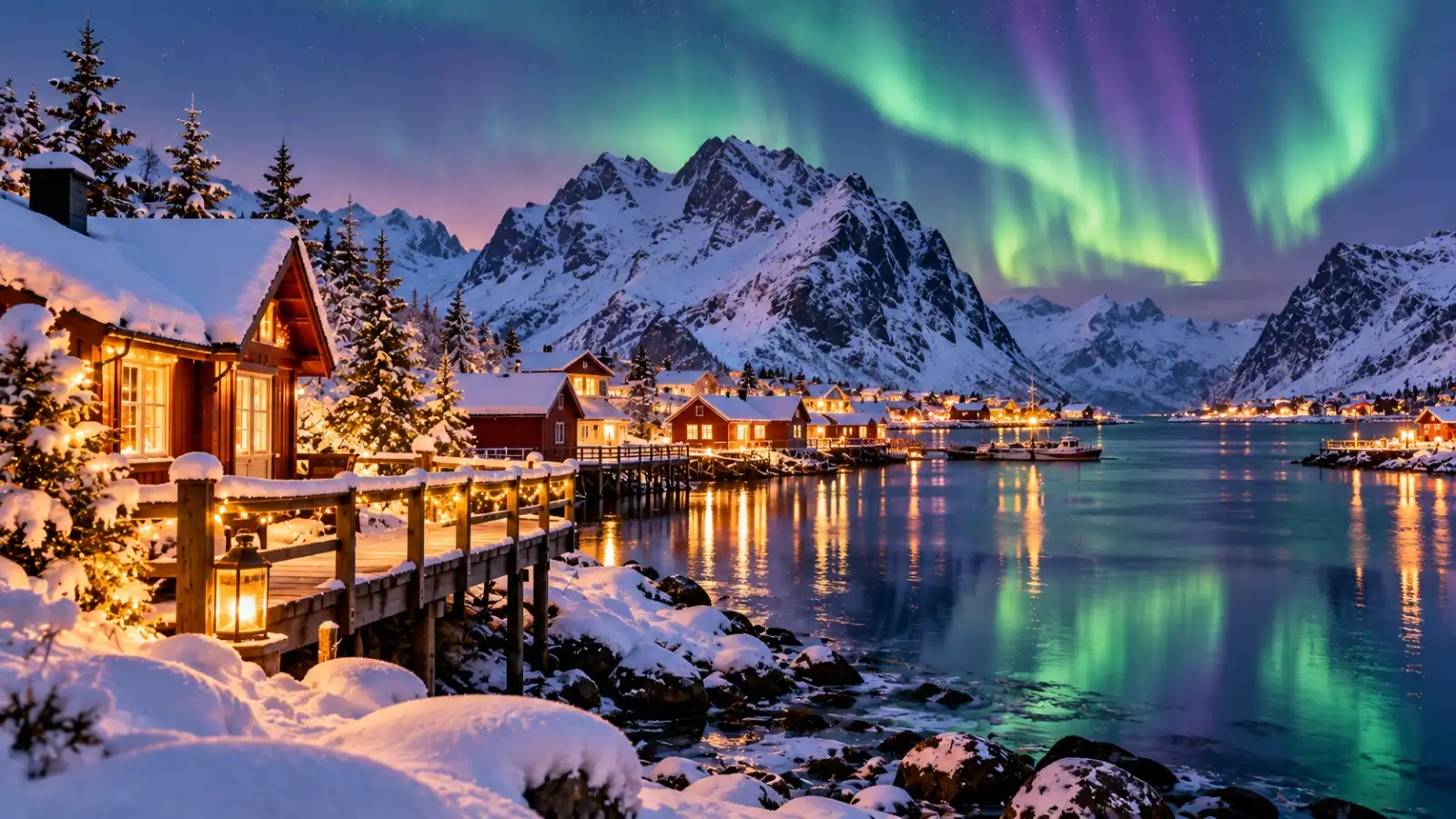
Whether you want to ski in the Alps, experience the Arctic wilderness, explore a European Christmas market or simply enjoy a snowy escape, there are winter destinations for different types of travellers.
Here are 10 places around the world that offer memorable winter holiday experiences.
Rovaniemi is particularly popular with families and is associated with Santa Claus Village, while areas farther north offer opportunities to experience the Arctic landscape away from larger tourist centres.
The northern lights can also be visible in Lapland during suitable conditions, adding another reason to visit during the darker months.
The Swiss mountain resort is known for skiing, snowboarding, mountain railways and panoramic views. Even travellers who do not participate in winter sports can enjoy scenic train journeys, mountain restaurants and walks through the resort.
The village's car-free centre also adds to its traditional Alpine atmosphere.
Reykjavik works well as a base for exploring waterfalls, volcanic landscapes, black-sand beaches and geothermal areas. Winter also provides opportunities to search for the northern lights outside the city when conditions are suitable.
The shorter days can be balanced with experiences such as geothermal bathing, making Iceland different from a conventional snow-focused holiday.
The town of Banff provides access to mountain scenery, ski resorts and frozen lakes, while the surrounding national park offers opportunities for winter walks and wildlife observation.
Lake Louise is particularly well known for its winter landscape and outdoor activities, although conditions can be extremely cold.
The city provides access to activities such as northern lights excursions, dog sledding and snowshoeing. Its location also makes it possible to experience long periods of darkness during the winter season.
Tromsø combines Arctic experiences with the convenience of a small city, making it suitable for travellers who do not want to stay in an isolated wilderness setting.
The city's Christmas markets, historic buildings and cafés create a traditional European winter atmosphere. Visitors can combine evening market visits with museums, palaces and classical music performances.
Winter temperatures can be cold, but much of the city can be explored through a combination of walking and public transport.
Niseko attracts international visitors for its powder snow, while Sapporo provides a combination of urban attractions, food and winter events.
The region's hot springs, known as onsen, provide another way to experience the colder season.
During winter, the region becomes a major destination for skiing and other snow activities. Resorts across the mountains provide access to extensive slopes and scenic cable-car journeys.
Even for non-skiers, the combination of snow-covered peaks, mountain villages and local food makes the Dolomites appealing during winter.
The Old Town Square, Charles Bridge and surrounding historic streets provide a backdrop for seasonal markets and evening walks.
The city can be cold during winter, but its compact historic centre makes it possible to combine outdoor sightseeing with cafés, museums and other indoor attractions.
The surrounding Southern Alps provide a dramatic setting for skiing and snowboarding, while the town itself offers restaurants, adventure activities and views of Lake Wakatipu.
For travellers planning a winter holiday between June and August, Queenstown provides an alternative to the more conventional European and North American destinations.
For skiing and snow sports, Zermatt, Hokkaido and the Dolomites offer established mountain resorts. Lapland and Tromsø are particularly suited to travellers interested in Arctic experiences and the northern lights.
Vienna and Prague are better suited to those looking for architecture, culture and Christmas markets, while Reykjavik combines winter scenery with geothermal experiences.
Banff provides a combination of mountains, snow and nature, while Queenstown is worth considering for travellers who want a Southern Hemisphere winter.
In Europe, Canada and northern Japan, the main winter travel period generally falls between December and February, although snow seasons can extend beyond these months in mountain regions.
Queenstown and other Southern Hemisphere destinations experience winter roughly from June to August.
If your main goal is skiing or seeing snow, check seasonal conditions before booking because snowfall can vary from one year to another. Northern lights trips also benefit from flexible planning because visibility depends on factors including cloud cover and solar activity.
From the Arctic landscapes of Finland and Norway to the Alps, Canadian Rockies and snowy mountains of Japan, there are many ways to experience the season.
Choosing a destination based on the type of winter experience you want can make the journey more rewarding, whether that means skiing down a mountain, walking through a Christmas market or watching the northern lights illuminate the night sky.
Whether you want to ski in the Alps, experience the Arctic wilderness, explore a European Christmas market or simply enjoy a snowy escape, there are winter destinations for different types of travellers.
Here are 10 places around the world that offer memorable winter holiday experiences.
Lapland, Finland
Lapland is one of the world's most distinctive winter destinations. Located in northern Finland, the region is known for snowy forests, reindeer, frozen landscapes and long winter nights.Rovaniemi is particularly popular with families and is associated with Santa Claus Village, while areas farther north offer opportunities to experience the Arctic landscape away from larger tourist centres.
The northern lights can also be visible in Lapland during suitable conditions, adding another reason to visit during the darker months.
Zermatt, Switzerland
Zermatt offers a classic Alpine winter holiday beneath the Matterhorn.The Swiss mountain resort is known for skiing, snowboarding, mountain railways and panoramic views. Even travellers who do not participate in winter sports can enjoy scenic train journeys, mountain restaurants and walks through the resort.
The village's car-free centre also adds to its traditional Alpine atmosphere.
Reykjavik, Iceland
Iceland offers a combination of winter landscapes and geothermal experiences.Reykjavik works well as a base for exploring waterfalls, volcanic landscapes, black-sand beaches and geothermal areas. Winter also provides opportunities to search for the northern lights outside the city when conditions are suitable.
The shorter days can be balanced with experiences such as geothermal bathing, making Iceland different from a conventional snow-focused holiday.
Banff, Canada
Banff National Park becomes a striking winter destination when snow covers the Canadian Rockies.The town of Banff provides access to mountain scenery, ski resorts and frozen lakes, while the surrounding national park offers opportunities for winter walks and wildlife observation.
Lake Louise is particularly well known for its winter landscape and outdoor activities, although conditions can be extremely cold.
Tromsø, Norway
Tromsø is located well above the Arctic Circle and is a popular base for experiencing Norway's northern winter.The city provides access to activities such as northern lights excursions, dog sledding and snowshoeing. Its location also makes it possible to experience long periods of darkness during the winter season.
Tromsø combines Arctic experiences with the convenience of a small city, making it suitable for travellers who do not want to stay in an isolated wilderness setting.
Vienna, Austria
Vienna offers a different type of winter holiday, centred around architecture, culture and seasonal markets.The city's Christmas markets, historic buildings and cafés create a traditional European winter atmosphere. Visitors can combine evening market visits with museums, palaces and classical music performances.
Winter temperatures can be cold, but much of the city can be explored through a combination of walking and public transport.
Hokkaido, Japan
Hokkaido is one of Japan's best-known winter regions, particularly for its snowfall and ski resorts.Niseko attracts international visitors for its powder snow, while Sapporo provides a combination of urban attractions, food and winter events.
The region's hot springs, known as onsen, provide another way to experience the colder season.
Dolomites, Italy
The Dolomites offer dramatic mountain scenery combined with traditional Alpine villages and Italian cuisine.During winter, the region becomes a major destination for skiing and other snow activities. Resorts across the mountains provide access to extensive slopes and scenic cable-car journeys.
Even for non-skiers, the combination of snow-covered peaks, mountain villages and local food makes the Dolomites appealing during winter.
Prague, Czech Republic
Prague's historic centre takes on a particularly atmospheric appearance during winter.The Old Town Square, Charles Bridge and surrounding historic streets provide a backdrop for seasonal markets and evening walks.
The city can be cold during winter, but its compact historic centre makes it possible to combine outdoor sightseeing with cafés, museums and other indoor attractions.
Queenstown, New Zealand
Queenstown offers a Southern Hemisphere winter experience when much of the Northern Hemisphere is experiencing summer.The surrounding Southern Alps provide a dramatic setting for skiing and snowboarding, while the town itself offers restaurants, adventure activities and views of Lake Wakatipu.
For travellers planning a winter holiday between June and August, Queenstown provides an alternative to the more conventional European and North American destinations.
Choosing the Right Winter Destination
The ideal winter destination depends on what you want from the trip.For skiing and snow sports, Zermatt, Hokkaido and the Dolomites offer established mountain resorts. Lapland and Tromsø are particularly suited to travellers interested in Arctic experiences and the northern lights.
Vienna and Prague are better suited to those looking for architecture, culture and Christmas markets, while Reykjavik combines winter scenery with geothermal experiences.
Banff provides a combination of mountains, snow and nature, while Queenstown is worth considering for travellers who want a Southern Hemisphere winter.
When Should You Plan a Winter Holiday?
Winter conditions vary considerably depending on the destination and hemisphere.In Europe, Canada and northern Japan, the main winter travel period generally falls between December and February, although snow seasons can extend beyond these months in mountain regions.
Queenstown and other Southern Hemisphere destinations experience winter roughly from June to August.
If your main goal is skiing or seeing snow, check seasonal conditions before booking because snowfall can vary from one year to another. Northern lights trips also benefit from flexible planning because visibility depends on factors including cloud cover and solar activity.
Experience Winter Around the World
A winter holiday does not have to mean simply finding the coldest place possible. Some destinations offer deep snow and mountain sports, while others combine winter weather with cultural experiences, festive markets or natural phenomena.From the Arctic landscapes of Finland and Norway to the Alps, Canadian Rockies and snowy mountains of Japan, there are many ways to experience the season.
Choosing a destination based on the type of winter experience you want can make the journey more rewarding, whether that means skiing down a mountain, walking through a Christmas market or watching the northern lights illuminate the night sky.
Next Story