
Beware! 4 Cooking Oils To Avoid For Health And High-Heat Cooking

Choosing the right cooking oil is crucial for both flavor and health. Not all oils are suitable for high-temperature cooking, and using the wrong ones can affect both taste and well-being. Here's a guide to four oils that are best avoided for high-heat cooking .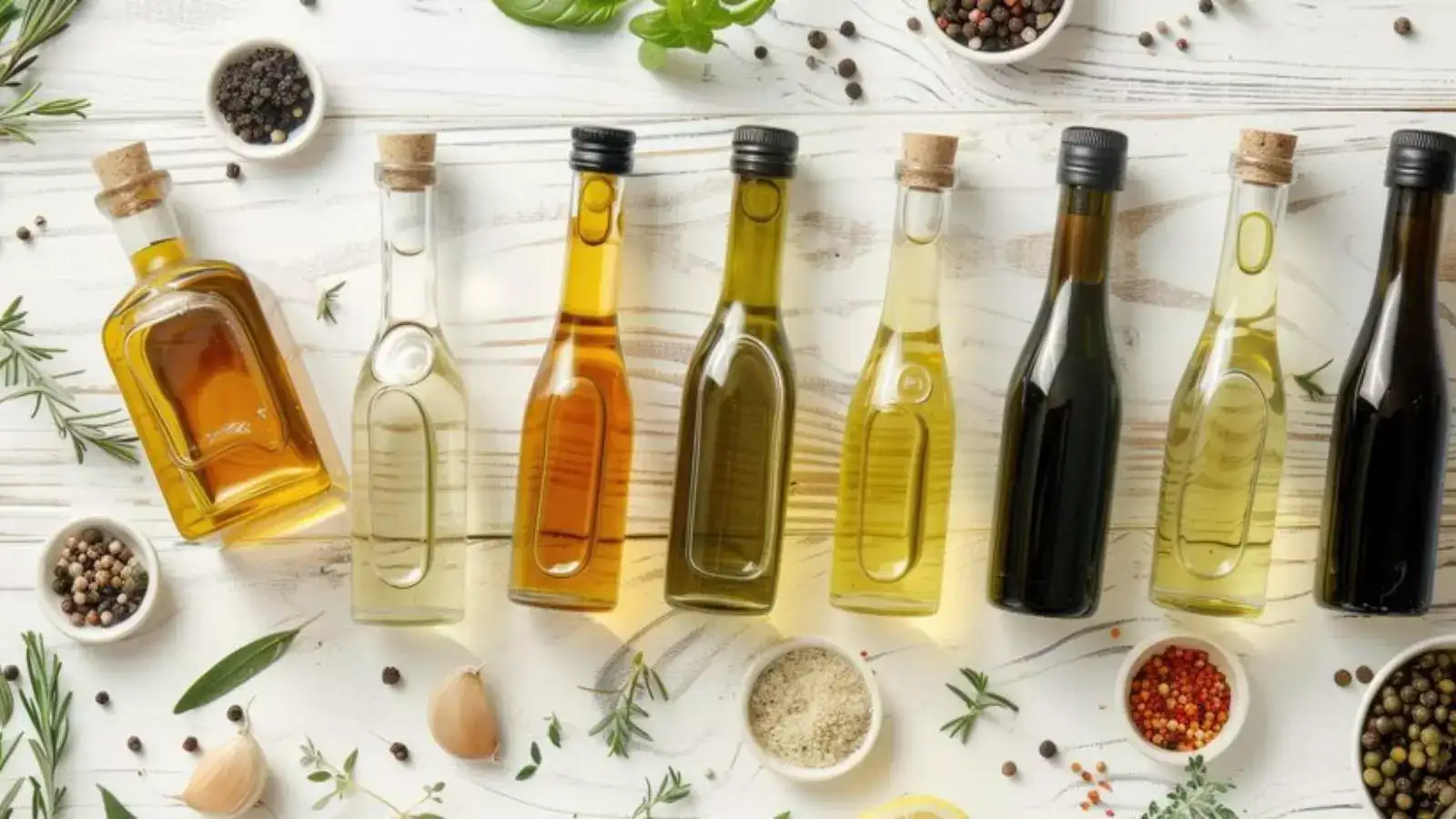
1. Flaxseed Oil
Best For: Cold uses like salad dressings and dips
Why Avoid: Flaxseed oil has a low smoke point of around 225°C, making it unsuitable for high-heat methods like frying or sautéing. It’s ideal for cold applications where its nutritional benefits can shine, such as in dressings or as a flavor enhancer in dips and soups.
2. Fish or Algae Oil
Best For: Cold consumption in small quantities
Why Avoid: Fish and algae oils are rich in omega-3 fatty acids , which degrade under high heat. Heating these oils can lead to unwanted side effects like bad breath or digestive issues. Use these oils for low-heat cooking or cold dishes to retain their health benefits.
3. Walnut Oil
Best For: No-heat applications such as drizzling over salads
Why Avoid: Walnut oil, though beneficial for reducing inflammation and supporting blood pressure, can turn bitter and lose its delicate flavor when exposed to high heat. Reserve walnut oil for finishing dishes or as a dressing to enjoy its nutty sweetness without compromising taste.
4. Palm Oil
Best For: Low-heat cooking and baking
Why Avoid: Palm oil, derived from the fruit of the palm tree, has a high saturation level linked to heart disease. While it can be used for low-heat cooking, its high saturated fat content means it should be used sparingly. Opt for palm oil in small amounts for roasting or baking to minimize health risks.
By choosing the right oil for your cooking needs, you can enhance flavor while maintaining your health. Use these oils wisely to make the most of their benefits and avoid potential drawbacks.
1. Flaxseed Oil
Best For: Cold uses like salad dressings and dips
Why Avoid: Flaxseed oil has a low smoke point of around 225°C, making it unsuitable for high-heat methods like frying or sautéing. It’s ideal for cold applications where its nutritional benefits can shine, such as in dressings or as a flavor enhancer in dips and soups.
2. Fish or Algae Oil
Best For: Cold consumption in small quantities
Why Avoid: Fish and algae oils are rich in omega-3 fatty acids , which degrade under high heat. Heating these oils can lead to unwanted side effects like bad breath or digestive issues. Use these oils for low-heat cooking or cold dishes to retain their health benefits.
You may also like
- Pitru Paksha 2026: Pitru Paksha begins on September 26; know the correct dates for Shraddh and the simple method for Tarpan..
- Kisan Credit Card: Get a loan of lakhs without collateral! Find out how to get one..
- 8th Pay Commission: Here are 6 major updates regarding the 8th Pay Commission..
- Gold Price Outlook: Find out from experts how gold and silver prices will move this week..
- Struggling With Period Cramps? Try This Warm Walnut-Ginger Drink for Comfort
3. Walnut Oil
Best For: No-heat applications such as drizzling over salads
Why Avoid: Walnut oil, though beneficial for reducing inflammation and supporting blood pressure, can turn bitter and lose its delicate flavor when exposed to high heat. Reserve walnut oil for finishing dishes or as a dressing to enjoy its nutty sweetness without compromising taste.
4. Palm Oil
Best For: Low-heat cooking and baking
Why Avoid: Palm oil, derived from the fruit of the palm tree, has a high saturation level linked to heart disease. While it can be used for low-heat cooking, its high saturated fat content means it should be used sparingly. Opt for palm oil in small amounts for roasting or baking to minimize health risks.
By choosing the right oil for your cooking needs, you can enhance flavor while maintaining your health. Use these oils wisely to make the most of their benefits and avoid potential drawbacks.






Loving Newspoint? Download the app now
