
Black Salt vs. Table Salt: Which Is Healthier?

When it comes to choosing the right kind of salt for your diet, many health-conscious individuals find themselves comparing black salt and table salt . Both are common in kitchens around the world, yet their composition, taste, and health effects differ significantly. So, which is healthier? Let’s dive into the facts.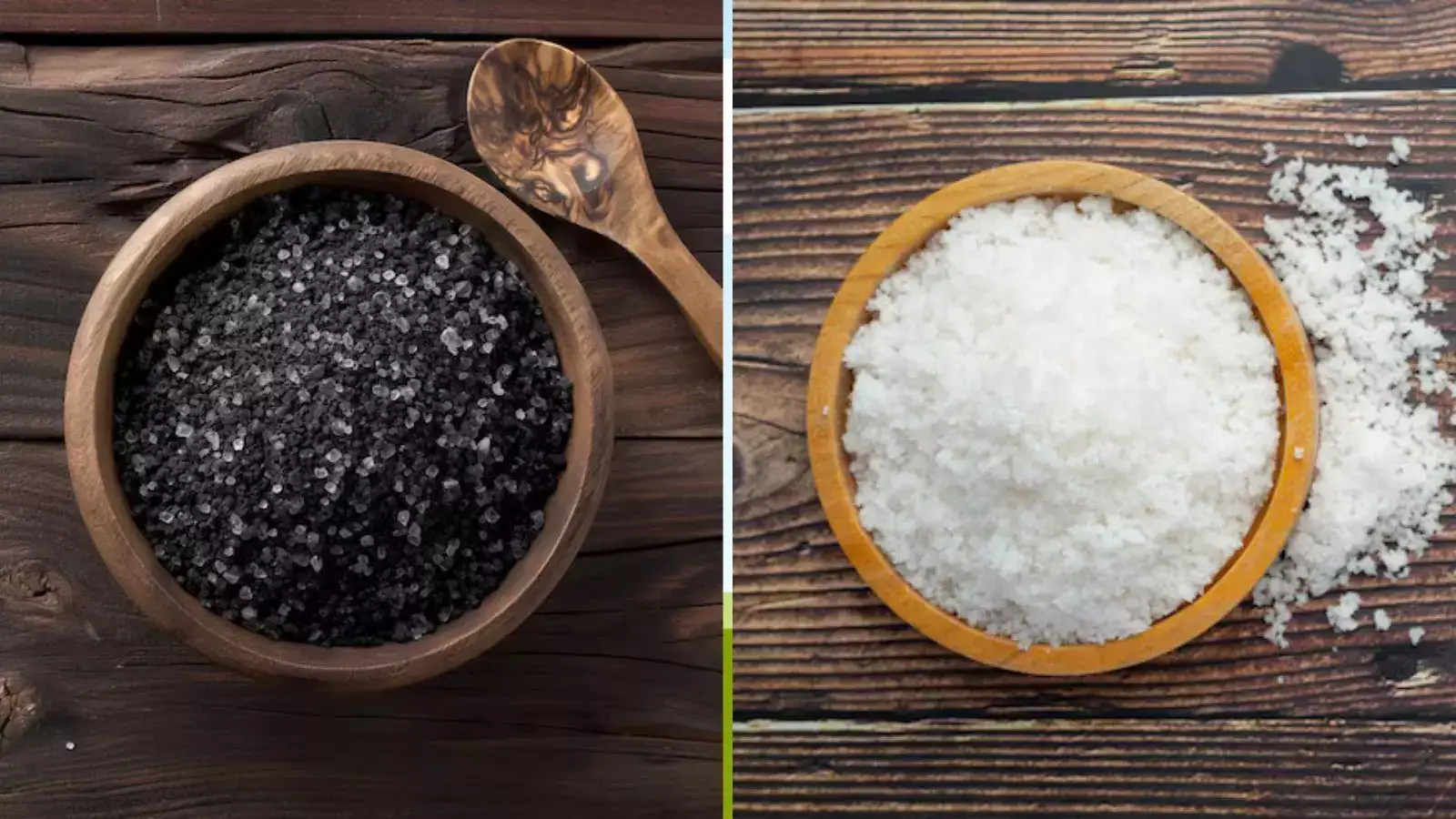
What Is Table Salt?
Table salt, also known as refined salt or iodized salt, is the most commonly used salt in households. It is mined from underground salt deposits, heavily processed to eliminate minerals, and often mixed with anti-caking agents. Iodine is usually added to prevent iodine deficiency, which can lead to thyroid issues.
Key features:
What Is Black Salt?
Black salt, or kala namak, is a volcanic rock salt with origins in South Asia. Despite the name, it usually appears pinkish-brown rather than black when ground. It has a strong sulfuric aroma and taste due to the presence of naturally occurring sulfur compounds.
Key features:
Winner: Black salt (slightly lower sodium)
Winner: Table salt (for iodine intake)
Winner: Black salt (for digestive aid)
Winner: Black salt (more natural)
Winner: Tie (depends on culinary use)
If you’re looking for a more natural option with digestive benefits and lower sodium, black salt may be the better choice. However, if you need to ensure adequate iodine intake-especially in areas where iodine deficiency is common-table salt might still be essential.
Best advice? Use both in moderation, depending on your nutritional needs and taste preferences. For optimal health, always keep your total daily sodium intake in check-regardless of the salt type.
Both black salt and table salt have their place in the kitchen and your health routine. Understanding their differences empowers you to make smarter choices that align with your dietary goals. When in doubt, consult a healthcare professional or dietitian for personalized guidance.
What Is Table Salt?
Table salt, also known as refined salt or iodized salt, is the most commonly used salt in households. It is mined from underground salt deposits, heavily processed to eliminate minerals, and often mixed with anti-caking agents. Iodine is usually added to prevent iodine deficiency, which can lead to thyroid issues. Key features:
- Contains about 97-99% sodium chloride
- Fortified with iodine
- Highly processed
- Neutral taste
What Is Black Salt?
Black salt, or kala namak, is a volcanic rock salt with origins in South Asia. Despite the name, it usually appears pinkish-brown rather than black when ground. It has a strong sulfuric aroma and taste due to the presence of naturally occurring sulfur compounds.Key features:
- Contains sodium chloride along with trace minerals like iron, sulfur, and magnesium
- Distinct pungent, umami flavor
- Minimally processed
- Used in Ayurvedic medicine and vegan cooking
Health Comparison:
1. Sodium Content
Both salts contain sodium, but black salt typically has slightly less sodium chloride due to the presence of other minerals. Lower sodium intake can help manage blood pressure and reduce the risk of heart disease.Winner: Black salt (slightly lower sodium)
2. Iodine
Table salt is fortified with iodine—a crucial nutrient for thyroid health. Black salt, on the other hand, naturally lacks iodine unless it’s added separately.Winner: Table salt (for iodine intake)
3. Digestive Benefits
In traditional Ayurvedic medicine, black salt is praised for aiding digestion, relieving bloating, and stimulating appetite. The sulfur compounds in black salt may also help ease heartburn and gas.Winner: Black salt (for digestive aid)
4. Processing and Additives
Table salt undergoes extensive processing and includes anti-caking agents. Black salt is typically less refined and free of synthetic additives, making it a more natural option.Winner: Black salt (more natural)
5. Taste and Culinary Use
Black salt has a unique, egg-like flavor due to its sulfur content, making it popular in vegan recipes and certain traditional dishes. Table salt, being neutral, is more versatile for general use.Winner: Tie (depends on culinary use)
So, Which Is Healthier?
If you’re looking for a more natural option with digestive benefits and lower sodium, black salt may be the better choice. However, if you need to ensure adequate iodine intake-especially in areas where iodine deficiency is common-table salt might still be essential.
Best advice? Use both in moderation, depending on your nutritional needs and taste preferences. For optimal health, always keep your total daily sodium intake in check-regardless of the salt type.
Both black salt and table salt have their place in the kitchen and your health routine. Understanding their differences empowers you to make smarter choices that align with your dietary goals. When in doubt, consult a healthcare professional or dietitian for personalized guidance.
Next Story