
Blood Moon on March 3, 2026: Best Places To Watch the Lunar Eclipse in India

Skywatchers are in for a spectacular treat as the Blood Moon on March 3, 2026 becomes visible across India. This rare total lunar eclipse, popularly known as Chandra Grahan, will paint the Moon in deep shades of red during the early evening hours. The best part? You won’t need telescopes or special glasses to witness this celestial drama unfold.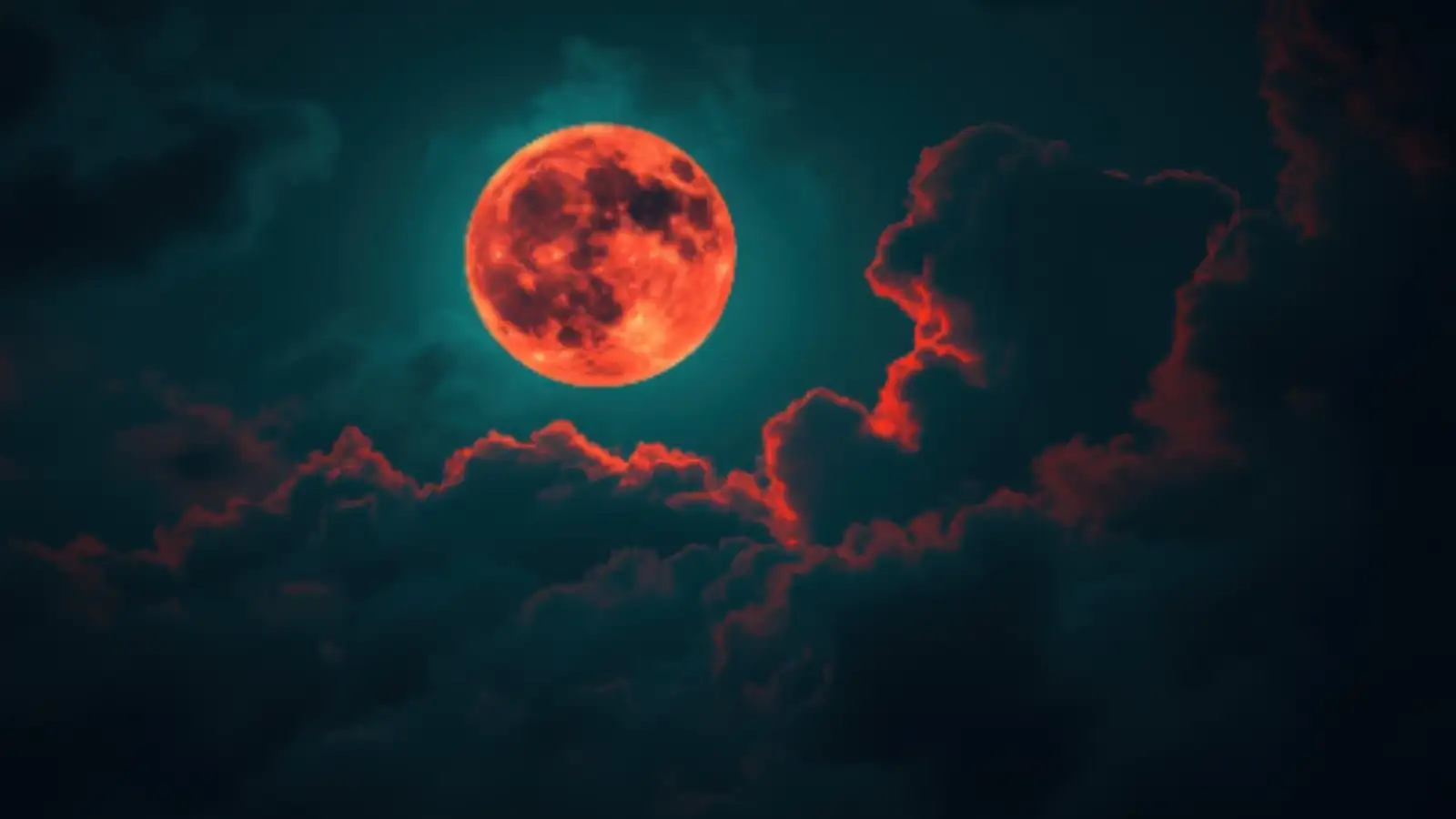
While lunar eclipses occur a few times each year globally, not all are visible from India. That makes this upcoming event particularly exciting for astronomy enthusiasts, photographers and casual stargazers alike.
What Is a Blood Moon?
A Blood Moon occurs during a total lunar eclipse, when Earth aligns directly between the Sun and the Moon. As Earth blocks direct sunlight, its atmosphere bends and filters red wavelengths onto the Moon’s surface.
This filtered light gives the Moon its striking copper or crimson glow - hence the name “Blood Moon.”
Unlike solar eclipses, lunar eclipses are completely safe to observe with the naked eye, making them one of the most accessible astronomical events.
Lunar Eclipse 2026 Date and Timings in India (IST)
Here are the key timings for the March 3, 2026 lunar eclipse in Indian Standard Time:
Important Viewing Detail
In most Indian cities, the Moon will rise while the eclipse is already in progress. This means many regions will witness only the final phase of the eclipse - typically for around 15 to 20 minutes after moonrise.
So, there’s no need to stay up late. Simply step outside around dusk and look towards the eastern horizon.
Best Places To Watch the Blood Moon on March 3 in India
Different regions will experience varying visibility levels. Here’s where you can get the best view:
Northeast India: Prime Location for Full Totality
Northeast India is expected to offer the most dramatic view of the total lunar eclipse.
Cities likely to experience complete totality include:
In these locations, you may even see the Moon rising already glowing red — a rare and unforgettable sight.
Pro tip: Head to hilltops, riverbanks or open landscapes for an unobstructed eastern horizon.
Eastern India: A Beautiful Partial View
In eastern cities, the deepest red phase may be ending at moonrise, but the view will still be spectacular.
Top cities include:
You can watch the Moon gradually emerge from Earth’s shadow — a stunning transition that’s especially rewarding for photographers.
Best viewing spots: Rooftops, open parks and riverfront promenades.
North and Central India: Catch the Final Phase
Cities such as:
will mainly witness the eclipse’s concluding partial stage. Although totality will have already passed, the sight of a dimmed Moon rising against the twilight sky will still be a memorable experience.
Western and Southern India: Dusk Viewing Over Stunning Backdrops
In western and southern regions, only the final segment of the eclipse will be visible.
Major cities include:
Mumbai
Ahmedabad
Chennai
Bengaluru
Hyderabad
Coastal areas, beaches and waterfronts could provide especially dramatic visuals as the Moon rises over the sea.
How To Watch the Lunar Eclipse Safely
Watching the Blood Moon is simple and safe. Here’s how to make the most of it:
No special glasses required
Why the March 3 Blood Moon Is Special for India
Not every lunar eclipse is visible from India, which makes the Blood Moon on March 3, 2026 particularly significant. Even though many regions will see only the final stage, it remains a rare opportunity to witness a total lunar eclipse without special equipment or preparation.
All you need is clear skies, an open view and a few quiet moments under the evening sky — and nature will handle the rest.
While lunar eclipses occur a few times each year globally, not all are visible from India. That makes this upcoming event particularly exciting for astronomy enthusiasts, photographers and casual stargazers alike.
What Is a Blood Moon?
A Blood Moon occurs during a total lunar eclipse, when Earth aligns directly between the Sun and the Moon. As Earth blocks direct sunlight, its atmosphere bends and filters red wavelengths onto the Moon’s surface.
This filtered light gives the Moon its striking copper or crimson glow - hence the name “Blood Moon.”
Unlike solar eclipses, lunar eclipses are completely safe to observe with the naked eye, making them one of the most accessible astronomical events.
Lunar Eclipse 2026 Date and Timings in India (IST)
Here are the key timings for the March 3, 2026 lunar eclipse in Indian Standard Time:
- Penumbral phase begins: 4:58 PM
- Totality phase: 4:58 PM to 5:32 PM
- Maximum eclipse: Around 5:10 PM to 5:25 PM (may vary slightly by city)
- Penumbral phase ends: 7:53 PM
Important Viewing Detail
In most Indian cities, the Moon will rise while the eclipse is already in progress. This means many regions will witness only the final phase of the eclipse - typically for around 15 to 20 minutes after moonrise.
So, there’s no need to stay up late. Simply step outside around dusk and look towards the eastern horizon.
Best Places To Watch the Blood Moon on March 3 in India
Different regions will experience varying visibility levels. Here’s where you can get the best view:
Northeast India: Prime Location for Full Totality
Northeast India is expected to offer the most dramatic view of the total lunar eclipse.
Cities likely to experience complete totality include:
- Dibrugarh
- Dispur
- Guwahati
- Itanagar
- Shillong
In these locations, you may even see the Moon rising already glowing red — a rare and unforgettable sight.
Pro tip: Head to hilltops, riverbanks or open landscapes for an unobstructed eastern horizon.
Eastern India: A Beautiful Partial View
In eastern cities, the deepest red phase may be ending at moonrise, but the view will still be spectacular.
Top cities include:
- Kolkata
- Bhubaneswar
- Patna
You can watch the Moon gradually emerge from Earth’s shadow — a stunning transition that’s especially rewarding for photographers.
Best viewing spots: Rooftops, open parks and riverfront promenades.
North and Central India: Catch the Final Phase
Cities such as:
- Delhi
- Jaipur
- Lucknow
- Bhopal
will mainly witness the eclipse’s concluding partial stage. Although totality will have already passed, the sight of a dimmed Moon rising against the twilight sky will still be a memorable experience.
You may also like
- Exciting Planet Parade Set for February 2026: A Celestial Spectacle
- Holi 2026: Celebrating the Festival of Colors and Holika Dahan
- Holika Dahan 2026 Date: Confirmed! Holika Dahan on March 2nd, Lunar Eclipse on March 3rd, and Holi of Colors on March 4th..
- 6 Famous Shakti Peethas in South India
- Planet Parade February: An amazing astronomical event, the 'Parade of Planets' will take place in the sky on the evening of February 28.
Western and Southern India: Dusk Viewing Over Stunning Backdrops
In western and southern regions, only the final segment of the eclipse will be visible.
Major cities include:
Mumbai
Ahmedabad
Chennai
Bengaluru
Hyderabad
Coastal areas, beaches and waterfronts could provide especially dramatic visuals as the Moon rises over the sea.
How To Watch the Lunar Eclipse Safely
Watching the Blood Moon is simple and safe. Here’s how to make the most of it:
No special glasses required
- Look towards the eastern horizon at dusk
- Choose a location away from heavy light pollution
- Use binoculars for enhanced detail (optional)
- Rooftops, beaches, hilltops and open grounds are ideal
- Clear skies will make all the difference, so check the local weather forecast beforehand.
Why the March 3 Blood Moon Is Special for India
Not every lunar eclipse is visible from India, which makes the Blood Moon on March 3, 2026 particularly significant. Even though many regions will see only the final stage, it remains a rare opportunity to witness a total lunar eclipse without special equipment or preparation.
All you need is clear skies, an open view and a few quiet moments under the evening sky — and nature will handle the rest.






More from our partners


Loving Newspoint? Download the app now
