
Boost Your Health: 6 Herbs and Spices You Should Eat

In the vibrant tapestry of Indian kitchens, the synergy between herbs and spices transcends mere culinary delight. These versatile ingredients not only elevate flavors but also bring a myriad of health benefits to the table. Dive into the world of health-conscious gastronomy as we explore the unique properties of six herbs and spices that go beyond taste, offering a wealth of well-being.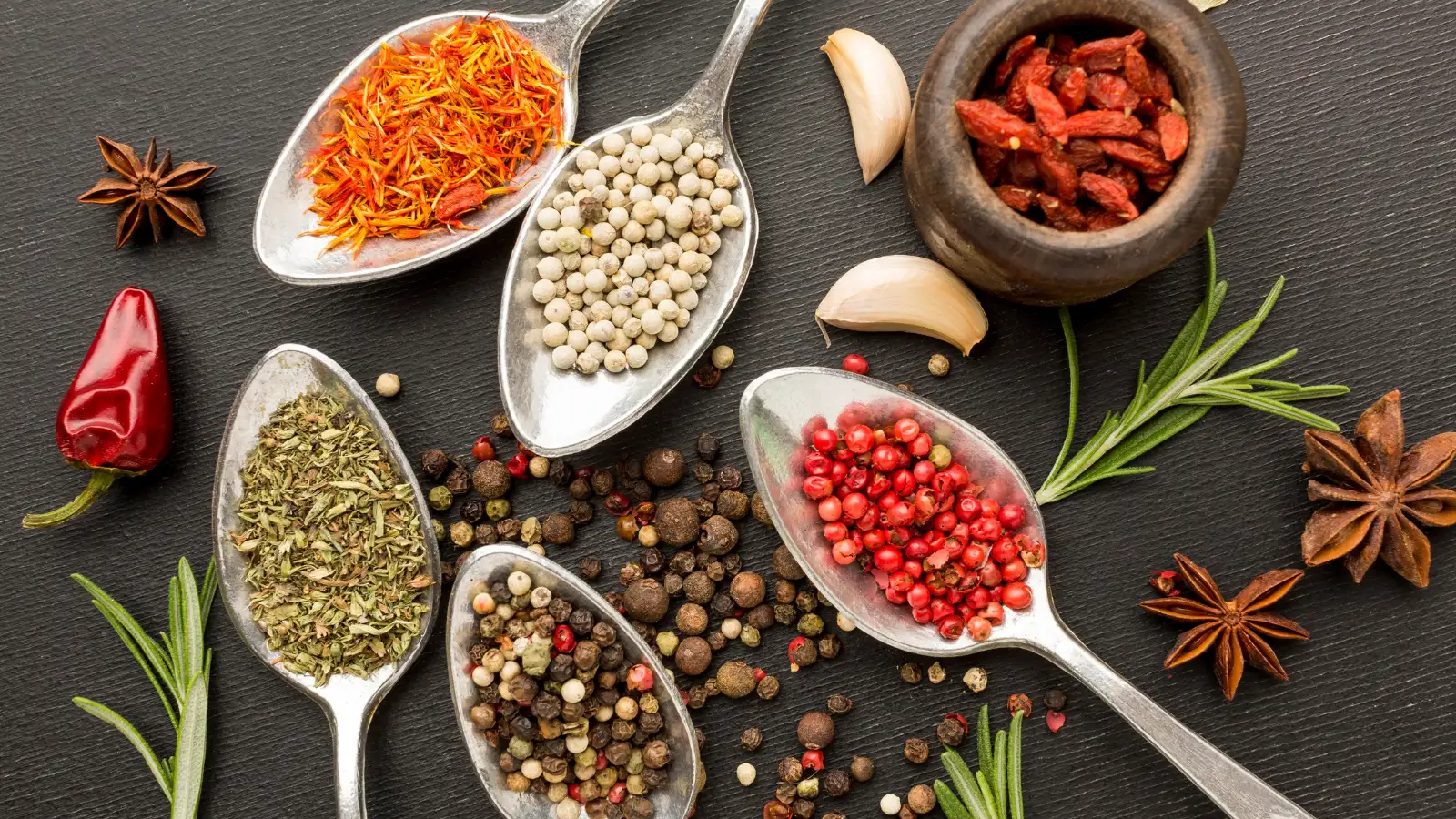
# The Dynamic Duo: Herbs and Spices in Harmony
The association of culinary herbs and spices often draws parallels with Asian and African cuisines, being primary sources of these aromatic elements. Understanding the distinction is key - herbs, typically plant leaves, can be consumed in fresh or dried forms, while spices, the dried versions, are crafted from plant bark and roots.
1. Ginger: The Nausea Warrior with Culinary Charm
Ginger, in its various forms - raw, powdered, juiced, or as oil - is not just a culinary powerhouse but a potent anti-nausea remedy. Beyond its acclaimed taste-enhancing role, ginger has garnered attention for managing blood sugar levels, protecting brain function, and even reducing the risk of colon cancer. Its versatility makes it a staple not only in the kitchen but also as a supplement for those engaged in regular physical exercise.
2. Oregano: A Flavorful Defender Against Chronic Illness
Originating from Europe, the Mediterranean , and Asia, oregano is more than a pizza topping. With antioxidant levels surpassing those of an apple, oregano combats free radicals, potentially slowing the onset of autoimmune diseases, diabetes, and cardiac issues. Studies suggest its antibacterial and antifungal properties, making it not just a culinary essential but a formidable defender against chronic illnesses.
3. Cinnamon: From Rarity to Antioxidant Powerhouse
Once a rare spice discovered by the Portuguese, cinnamon is now a global sensation abundant in antioxidants. Beyond its antioxidant richness, cinnamon boasts anti-inflammatory properties that may aid in weight loss and improve dental health. Whether in stick or powder form, this versatile spice adds not only flavour but a host of health benefits to a variety of dishes and even morning coffee.
4. Rosemary: The Nutritional Powerhouse with Aromatic Elegance
Hailing from the Mediterranean, rosemary is not just an aromatic herb; it's a nutritional powerhouse. Rich in minerals and vitamins, rosemary's antibacterial and antimicrobial properties have been linked to inhibiting tumour growth. Its delightful aroma makes it a popular addition to spice blends, savoury recipes, and essential oils.
5. Turmeric: The Golden Spice of Healing
Commonly featured in Indian curries, turmeric's golden hue is a testament to its healing properties. Curcumin , the compound in turmeric, exhibits potent anti-inflammatory and antioxidant effects, with studies suggesting its potential impact on cancer cell growth. With centuries of medicinal use, turmeric continues to be a staple in Indian cuisine for both its taste and health benefits.
6. Sage: Wisdom for the Mind and Body
A member of the mint family, sage is not just an enhancer of memory but a promoter of overall brain health. Abundant in vitamins and antioxidants, sage has been linked to improved dental health and enhanced insulin sensitivity. Beyond its culinary applications, sage has found its place in teas, extracts, and various dishes, contributing not only to taste but also to well-being.
As you embark on a journey of culinary exploration, consider these herbs and spices not just as flavour enhancers but as nature's gift to your health. Embrace the richness they offer, transforming your meals into a celebration of both taste and well-being.
# The Dynamic Duo: Herbs and Spices in Harmony
The association of culinary herbs and spices often draws parallels with Asian and African cuisines, being primary sources of these aromatic elements. Understanding the distinction is key - herbs, typically plant leaves, can be consumed in fresh or dried forms, while spices, the dried versions, are crafted from plant bark and roots.
1. Ginger: The Nausea Warrior with Culinary Charm
Ginger, in its various forms - raw, powdered, juiced, or as oil - is not just a culinary powerhouse but a potent anti-nausea remedy. Beyond its acclaimed taste-enhancing role, ginger has garnered attention for managing blood sugar levels, protecting brain function, and even reducing the risk of colon cancer. Its versatility makes it a staple not only in the kitchen but also as a supplement for those engaged in regular physical exercise.
You may also like
- “I think every parent should give their child this advice”: Kareena Kapoor on when parents should start building confidence in children
- Air Pollution and Lung Cancer Link: Reducing PM 2.5 Exposure Can Lower Cancer Risk, Study Reveals
- 5 Dangerous Morning Habits That Can Damage Your Kidneys, Warns Leading Urologist
- After years in corporate, a 35th-generation royal returns to his roots and is now reviving a 1929 palace and Kannauj's perfume heritage, giving employment to hundreds
- Sometimes, saying No is the most powerful form of equality
2. Oregano: A Flavorful Defender Against Chronic Illness
Originating from Europe, the Mediterranean , and Asia, oregano is more than a pizza topping. With antioxidant levels surpassing those of an apple, oregano combats free radicals, potentially slowing the onset of autoimmune diseases, diabetes, and cardiac issues. Studies suggest its antibacterial and antifungal properties, making it not just a culinary essential but a formidable defender against chronic illnesses.
3. Cinnamon: From Rarity to Antioxidant Powerhouse
Once a rare spice discovered by the Portuguese, cinnamon is now a global sensation abundant in antioxidants. Beyond its antioxidant richness, cinnamon boasts anti-inflammatory properties that may aid in weight loss and improve dental health. Whether in stick or powder form, this versatile spice adds not only flavour but a host of health benefits to a variety of dishes and even morning coffee.
4. Rosemary: The Nutritional Powerhouse with Aromatic Elegance
Hailing from the Mediterranean, rosemary is not just an aromatic herb; it's a nutritional powerhouse. Rich in minerals and vitamins, rosemary's antibacterial and antimicrobial properties have been linked to inhibiting tumour growth. Its delightful aroma makes it a popular addition to spice blends, savoury recipes, and essential oils.
5. Turmeric: The Golden Spice of Healing
Commonly featured in Indian curries, turmeric's golden hue is a testament to its healing properties. Curcumin , the compound in turmeric, exhibits potent anti-inflammatory and antioxidant effects, with studies suggesting its potential impact on cancer cell growth. With centuries of medicinal use, turmeric continues to be a staple in Indian cuisine for both its taste and health benefits.
6. Sage: Wisdom for the Mind and Body
A member of the mint family, sage is not just an enhancer of memory but a promoter of overall brain health. Abundant in vitamins and antioxidants, sage has been linked to improved dental health and enhanced insulin sensitivity. Beyond its culinary applications, sage has found its place in teas, extracts, and various dishes, contributing not only to taste but also to well-being.
As you embark on a journey of culinary exploration, consider these herbs and spices not just as flavour enhancers but as nature's gift to your health. Embrace the richness they offer, transforming your meals into a celebration of both taste and well-being.






Loving Newspoint? Download the app now
