
Why Keeping Indoor Plants Near Your Workspace May Improve More Than Just Air Quality

For years, people have kept indoor plants at home simply because they look attractive. Yet recent conversations around wellbeing and productivity have pushed houseplants into a completely different category. They are no longer seen as decoration alone. Many people now view them as subtle tools for improving focus, reducing stress, and creating a calmer indoor environment.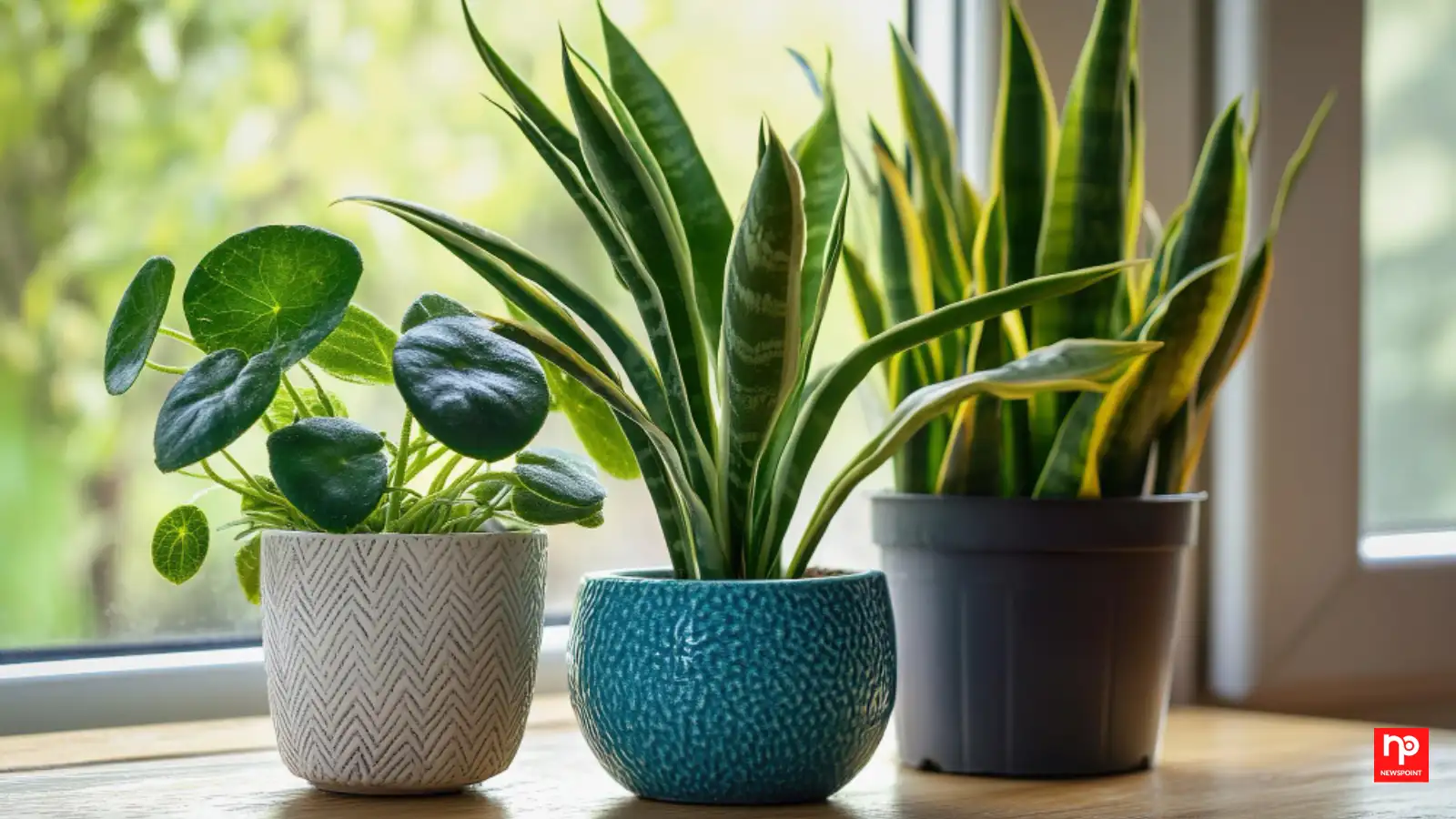
What makes this topic interesting is that most people still underestimate how strongly surroundings influence daily mood. A dull workspace often creates mental fatigue faster than people realise. Even a small green plant can break the monotony of screens, paperwork, and artificial lighting.
When a person looks at leaves, natural textures, or organic shapes during a stressful workday, the mind tends to slow down slightly. This does not magically remove stress, but it can reduce feelings of mental exhaustion. Many employees working long office hours report feeling less drained when their surroundings include natural elements.
Interestingly, this effect appears stronger in compact urban homes where access to parks or gardens is limited.
Snake plants are especially popular because they tolerate neglect and low light. Pothos plants grow quickly and can survive irregular watering. Peace lilies add elegance while also adapting well to indoor conditions.
People who forget to water plants regularly often prefer succulents because they require minimal care. For small desks, compact cactus varieties are becoming common additions.
Plants can help create visual balance. Shifting focus from a screen to a natural object for even a few seconds may help reduce eye strain and improve concentration during long work sessions.
Some workers also claim that caring for a plant gives them a small but meaningful sense of routine. Watering a plant or trimming dry leaves creates a brief pause in an otherwise fast paced day.
In many ways, people are rediscovering something simple that earlier generations already understood. Living spaces feel healthier and more comforting when nature becomes part of everyday life.
What makes this topic interesting is that most people still underestimate how strongly surroundings influence daily mood. A dull workspace often creates mental fatigue faster than people realise. Even a small green plant can break the monotony of screens, paperwork, and artificial lighting.
How Greenery Affects the Human Brain
Researchers and workplace psychologists have repeatedly observed that natural elements help the brain relax. Human beings are naturally drawn to greenery because of a deep connection with nature. This is sometimes referred to as biophilic design, although most people experience it without knowing the term.When a person looks at leaves, natural textures, or organic shapes during a stressful workday, the mind tends to slow down slightly. This does not magically remove stress, but it can reduce feelings of mental exhaustion. Many employees working long office hours report feeling less drained when their surroundings include natural elements.
Interestingly, this effect appears stronger in compact urban homes where access to parks or gardens is limited.
You may also like
- New Privacy Feature Arrives for Millions of WhatsApp Users: Every AI Chat of Yours Will Remain Private
- Indian Railway News: Why has another star been added to the Indian Railway logo, and what does it signify? An Explanation
- Is Health Insurance Truly 'Unlimited'? Know These 5 Harsh Realities Before Buying a Policy
- What Happens at the Toll Plaza if Your FASTag Gets Blacklisted? Here's How to Reactivate It from Home
- Early Pregnancy Signs: Why Your Sleep Pattern May Change First
The Best Plants for Busy People
One reason indoor plants are becoming more popular is convenience. Certain varieties require very little attention and still thrive indoors.Snake plants are especially popular because they tolerate neglect and low light. Pothos plants grow quickly and can survive irregular watering. Peace lilies add elegance while also adapting well to indoor conditions.
People who forget to water plants regularly often prefer succulents because they require minimal care. For small desks, compact cactus varieties are becoming common additions.
Why Plants Help During Long Screen Hours
Modern life revolves around screens. Many people spend over eight hours daily looking at laptops, tablets, or phones. This constant digital exposure creates visual fatigue and mental overload.Plants can help create visual balance. Shifting focus from a screen to a natural object for even a few seconds may help reduce eye strain and improve concentration during long work sessions.
Some workers also claim that caring for a plant gives them a small but meaningful sense of routine. Watering a plant or trimming dry leaves creates a brief pause in an otherwise fast paced day.
A Simple Habit With Lasting Value
Unlike expensive wellness trends, indoor plants are accessible to almost everyone. A single low maintenance plant can quietly improve the atmosphere of a room without demanding much effort.In many ways, people are rediscovering something simple that earlier generations already understood. Living spaces feel healthier and more comforting when nature becomes part of everyday life.






More from our partners


Loving Newspoint? Download the app now
