
Why Brass, Terracotta and Wooden Decor Are Returning to Indian Homes

Modern Indian homes are increasingly combining contemporary design with materials that were once common in everyday household life. Brass utensils, terracotta pots, wooden accessories and handcrafted objects are finding space in kitchens, dining areas, balconies and living rooms.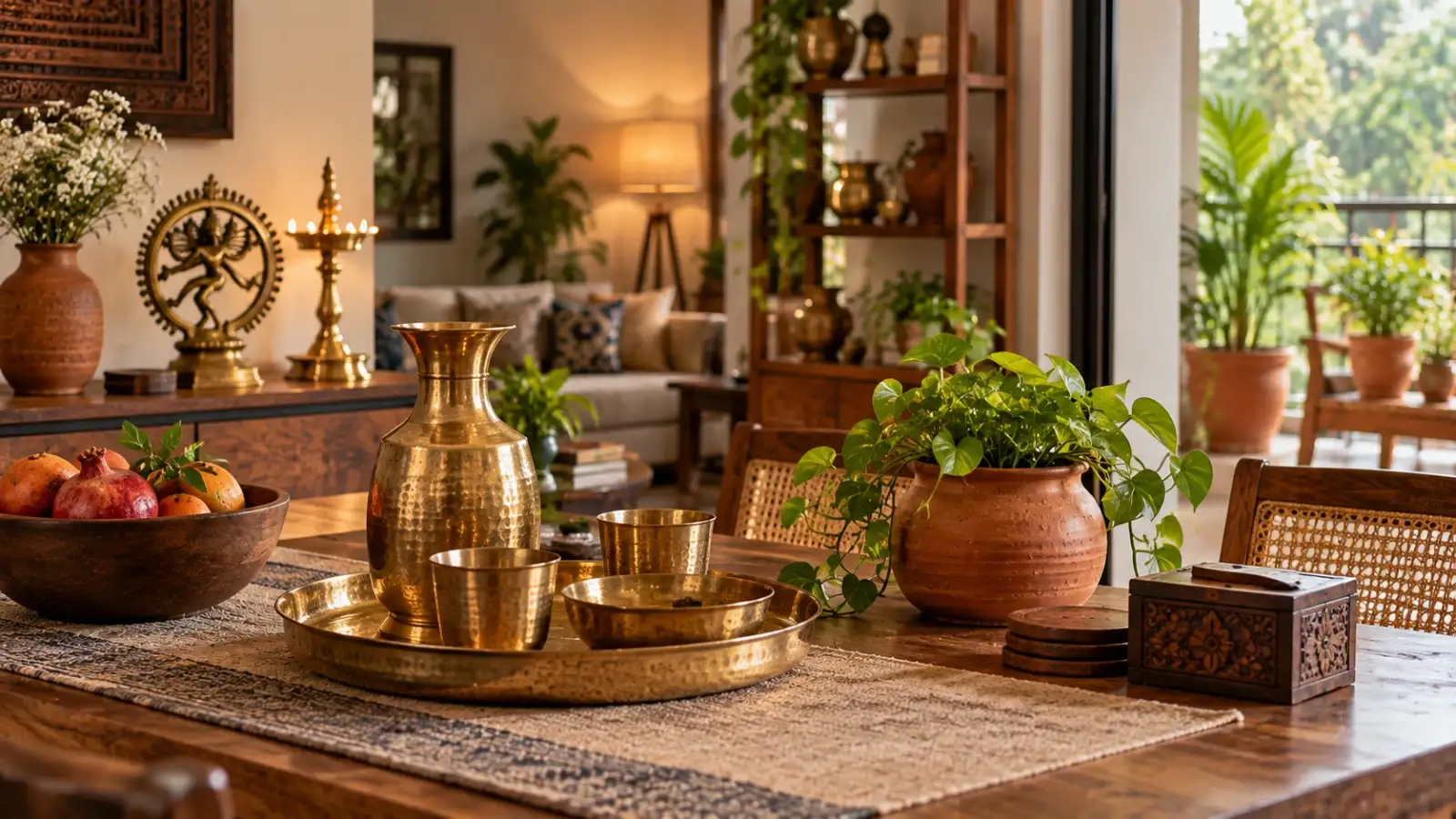
For many families, these materials bring back memories of traditional homes, festive gatherings and familiar household routines. For younger homeowners, they offer a way to introduce warmth, texture and cultural character into modern interiors.
The renewed interest in these materials is not simply about nostalgia. It is also connected with changing design preferences, growing appreciation for craftsmanship and a desire to create homes that feel more personal.
Their return to modern homes is partly linked to the emotional value attached to them. A brass lota may remind someone of their grandparents’ home, while a terracotta pot may recall summer afternoons spent around a traditional courtyard.
These associations give everyday objects a deeper meaning. Instead of being purely decorative, they become reminders of family customs and shared memories.
Modern homeowners are often using such objects to create interiors that feel comfortable, familiar and connected to their roots.
In kitchens and dining areas, brass utensils can create a contrast with modern materials such as marble, glass and stainless steel. A simple brass bowl placed on an open shelf can add visual interest without making the space look overly traditional.
Brass is also associated with festivals and religious ceremonies in many Indian households. Its presence in modern interiors can therefore combine decorative appeal with cultural significance.
However, brass items require proper care. Some pieces may need regular cleaning and should be used according to the manufacturer’s guidance, particularly when they come into contact with acidic or salty foods.
Terracotta planters are especially popular for balconies, windowsills and indoor gardens. Their warm tones work well with green plants, neutral walls and wooden furniture.
Terracotta lamps, vases and wall accessories can also add a handmade feel to modern rooms. Slight variations in shape and colour often make each piece appear unique.
The material is particularly suited to interiors inspired by nature, rural craftsmanship and earthy colour palettes. However, terracotta can be fragile and porous, so it should be handled carefully and used appropriately in areas exposed to moisture.
Modern homeowners are now using wooden trays, carved panels, stools, storage boxes, picture frames and decorative bowls to soften contemporary interiors.
Wood can balance the cold appearance of materials such as concrete, metal and glass. It also works well with different design styles, including minimalist, rustic, contemporary and traditional Indian decor.
Reclaimed wood and responsibly sourced timber are also attracting attention among buyers who want distinctive products. However, the environmental value of wooden decor depends on responsible sourcing, durability and production methods.
Many homeowners are moving towards warm colour palettes, textured surfaces, indoor plants and handmade accessories. These choices can make a room feel less artificial and more connected to the natural world.
Brass adds a metallic glow, terracotta introduces an earthy finish, and wood contributes warmth and texture. Used together, these materials can create a balanced interior without requiring excessive decoration.
They can also be combined with modern furniture, neutral walls and contemporary lighting.
Traditional Indian materials are frequently used by artisans who rely on techniques passed down through generations. A hand-hammered brass plate, a hand-shaped clay vase or a carved wooden box may display details that cannot be perfectly replicated by machines.
These variations are increasingly valued by homeowners who want their spaces to reflect individual taste.
Handmade objects can also become conversation pieces, particularly when guests are interested in their origin, production process or cultural background.
Many homeowners are now incorporating these materials into their everyday decor rather than bringing them out only during special occasions.
A brass lamp may be placed in an entrance area, while terracotta diyas can become part of a permanent display. Wooden panels and traditional sculptures may also be used to create a calm, culturally inspired corner in the home.
This approach allows festive objects to become part of daily living.
Brass thalis, bowls, glasses and serving dishes can add a distinctive touch to meals, particularly during family gatherings and festivals. Their use may also encourage people to reconnect with older dining customs.
However, not all brass utensils are suitable for every type of food. Traditional brassware may require a tin coating, known as kalai, depending on its composition and intended use.
Users should check whether a product is food-safe, properly maintained and suitable for the ingredients being served. Decorative brass objects should not automatically be treated as kitchenware.
Terracotta products from West Bengal, Odisha and parts of Gujarat showcase different forms, patterns and techniques. Wooden carving traditions from Rajasthan, Kashmir, Karnataka and other regions offer a wide variety of styles.
Brass and metal crafts from different parts of India also feature distinctive designs shaped by local history and cultural practices.
Digital marketplaces, craft exhibitions and independent design brands have made it easier for consumers to discover these products. This visibility can create new opportunities for artisans, provided they receive fair compensation and proper recognition.
A contemporary dining table may be paired with traditional brass serving bowls. A modern balcony may feature terracotta planters, while a minimalist living room may include a carved wooden stool.
These combinations allow homeowners to create a visual connection between the past and the present. They also make it possible to celebrate Indian craftsmanship without recreating an entirely traditional interior.
A brass lamp can work well near an entrance, while terracotta planters can bring warmth to a balcony. Wooden trays, stools and storage boxes can add both function and texture to living spaces.
It is also important to consider maintenance. Brass may need polishing, terracotta requires careful handling, and wood should be protected from excessive moisture and harsh cleaning products.
Buying directly from artisans, cooperatives or reliable craft businesses can also help support traditional skills and improve product authenticity.
The return of brass utensils, terracotta and wooden decor to modern Indian homes reflects a renewed appreciation for traditional materials, regional craftsmanship and familiar household memories.
These materials offer warmth, texture and individuality while fitting easily into contemporary interiors. They also create opportunities to support artisans and preserve techniques that have been passed down through generations.
When selected carefully and used responsibly, traditional materials can help modern homes feel more welcoming, meaningful and connected to India’s rich cultural heritage.
For many families, these materials bring back memories of traditional homes, festive gatherings and familiar household routines. For younger homeowners, they offer a way to introduce warmth, texture and cultural character into modern interiors.
The renewed interest in these materials is not simply about nostalgia. It is also connected with changing design preferences, growing appreciation for craftsmanship and a desire to create homes that feel more personal.
1. Traditional Materials Bring a Sense of Familiarity
Brass utensils, earthen pots and wooden objects have long been part of Indian households. They were used for cooking, serving, storing ingredients and decorating living spaces.Their return to modern homes is partly linked to the emotional value attached to them. A brass lota may remind someone of their grandparents’ home, while a terracotta pot may recall summer afternoons spent around a traditional courtyard.
These associations give everyday objects a deeper meaning. Instead of being purely decorative, they become reminders of family customs and shared memories.
Modern homeowners are often using such objects to create interiors that feel comfortable, familiar and connected to their roots.
2. Brass Adds Warmth and Traditional Elegance
Brass is known for its warm golden appearance, which can add a distinctive touch to contemporary spaces. It is being used in the form of serving bowls, glasses, lamps, trays, planters, vases and decorative sculptures.In kitchens and dining areas, brass utensils can create a contrast with modern materials such as marble, glass and stainless steel. A simple brass bowl placed on an open shelf can add visual interest without making the space look overly traditional.
Brass is also associated with festivals and religious ceremonies in many Indian households. Its presence in modern interiors can therefore combine decorative appeal with cultural significance.
However, brass items require proper care. Some pieces may need regular cleaning and should be used according to the manufacturer’s guidance, particularly when they come into contact with acidic or salty foods.
3. Terracotta Brings Earthy Texture Indoors
Terracotta, made from fired clay, has been used in India for centuries to create pots, lamps, figurines, tiles and decorative objects. Today, its earthy colour and natural texture are appealing to homeowners seeking a softer alternative to highly polished decor.Terracotta planters are especially popular for balconies, windowsills and indoor gardens. Their warm tones work well with green plants, neutral walls and wooden furniture.
Terracotta lamps, vases and wall accessories can also add a handmade feel to modern rooms. Slight variations in shape and colour often make each piece appear unique.
The material is particularly suited to interiors inspired by nature, rural craftsmanship and earthy colour palettes. However, terracotta can be fragile and porous, so it should be handled carefully and used appropriately in areas exposed to moisture.
4. Wooden Decor Makes Modern Spaces Feel Warmer
Wood has always played an important role in Indian furniture and architecture. From carved doors and traditional chests to stools and kitchen tools, wooden objects have been part of domestic life across many regions.Modern homeowners are now using wooden trays, carved panels, stools, storage boxes, picture frames and decorative bowls to soften contemporary interiors.
Wood can balance the cold appearance of materials such as concrete, metal and glass. It also works well with different design styles, including minimalist, rustic, contemporary and traditional Indian decor.
Reclaimed wood and responsibly sourced timber are also attracting attention among buyers who want distinctive products. However, the environmental value of wooden decor depends on responsible sourcing, durability and production methods.
5. Natural Materials Fit Current Interior Trends
The renewed popularity of brass, terracotta and wood is connected with the wider interest in natural materials and earthy interiors.Many homeowners are moving towards warm colour palettes, textured surfaces, indoor plants and handmade accessories. These choices can make a room feel less artificial and more connected to the natural world.
Brass adds a metallic glow, terracotta introduces an earthy finish, and wood contributes warmth and texture. Used together, these materials can create a balanced interior without requiring excessive decoration.
They can also be combined with modern furniture, neutral walls and contemporary lighting.
6. Handmade Objects Offer Individuality
Mass-produced home accessories often look similar, while handcrafted objects may have small differences in shape, texture and finish.Traditional Indian materials are frequently used by artisans who rely on techniques passed down through generations. A hand-hammered brass plate, a hand-shaped clay vase or a carved wooden box may display details that cannot be perfectly replicated by machines.
These variations are increasingly valued by homeowners who want their spaces to reflect individual taste.
Handmade objects can also become conversation pieces, particularly when guests are interested in their origin, production process or cultural background.
7. Festive Traditions Are Influencing Home Styling
Indian festivals have helped maintain the cultural importance of brass, clay and wood. Diyas, puja utensils, traditional servingware and decorative objects are often associated with celebrations such as Diwali, Navratri, Pongal and other regional festivals.Many homeowners are now incorporating these materials into their everyday decor rather than bringing them out only during special occasions.
A brass lamp may be placed in an entrance area, while terracotta diyas can become part of a permanent display. Wooden panels and traditional sculptures may also be used to create a calm, culturally inspired corner in the home.
This approach allows festive objects to become part of daily living.
8. Traditional Utensils Are Being Reconsidered
Brass utensils are not only being used for display. Some households are bringing traditional metalware back into dining and serving routines.Brass thalis, bowls, glasses and serving dishes can add a distinctive touch to meals, particularly during family gatherings and festivals. Their use may also encourage people to reconnect with older dining customs.
However, not all brass utensils are suitable for every type of food. Traditional brassware may require a tin coating, known as kalai, depending on its composition and intended use.
Users should check whether a product is food-safe, properly maintained and suitable for the ingredients being served. Decorative brass objects should not automatically be treated as kitchenware.
9. Regional Craft Traditions Are Gaining Visibility
The renewed interest in natural materials has created more attention for regional Indian craft traditions.Terracotta products from West Bengal, Odisha and parts of Gujarat showcase different forms, patterns and techniques. Wooden carving traditions from Rajasthan, Kashmir, Karnataka and other regions offer a wide variety of styles.
Brass and metal crafts from different parts of India also feature distinctive designs shaped by local history and cultural practices.
Digital marketplaces, craft exhibitions and independent design brands have made it easier for consumers to discover these products. This visibility can create new opportunities for artisans, provided they receive fair compensation and proper recognition.
You may also like
- Meet Shankar Baba Papalkar, whose name appears as the father's name on the Aadhaar cards of 123 children
- Pay-slips to change for those earning between ₹15,000 and ₹25,000; find out how your take-home salary will be affected
- Traveling home for Chhath and Diwali just got easier! Railways to run 13 pairs of special trains; check the full list.
- Big news for millions of LPG customers: This gas cylinder rule changes from October 1
- He scored just 52% in Class 10, failed IIT entrance exam 3 times and missed IIM: How Rahul Sinha went on to become an SDM in Bihar at 34
10. These Materials Support More Personal Interiors
Modern home decor is increasingly focused on creating spaces that reflect the people who live in them. Rather than following a single design trend, homeowners are combining objects from different periods, regions and styles.A contemporary dining table may be paired with traditional brass serving bowls. A modern balcony may feature terracotta planters, while a minimalist living room may include a carved wooden stool.
These combinations allow homeowners to create a visual connection between the past and the present. They also make it possible to celebrate Indian craftsmanship without recreating an entirely traditional interior.
How to Use Brass, Terracotta and Wood at Home
The best way to include traditional materials is to use them thoughtfully. A few well-chosen pieces can create a stronger visual effect than a room filled with decorative objects.A brass lamp can work well near an entrance, while terracotta planters can bring warmth to a balcony. Wooden trays, stools and storage boxes can add both function and texture to living spaces.
It is also important to consider maintenance. Brass may need polishing, terracotta requires careful handling, and wood should be protected from excessive moisture and harsh cleaning products.
Buying directly from artisans, cooperatives or reliable craft businesses can also help support traditional skills and improve product authenticity.
The return of brass utensils, terracotta and wooden decor to modern Indian homes reflects a renewed appreciation for traditional materials, regional craftsmanship and familiar household memories.
These materials offer warmth, texture and individuality while fitting easily into contemporary interiors. They also create opportunities to support artisans and preserve techniques that have been passed down through generations.
When selected carefully and used responsibly, traditional materials can help modern homes feel more welcoming, meaningful and connected to India’s rich cultural heritage.






Loving Newspoint? Download the app now
