
Bringing Home a Budgie? How to Create a Safe, Stimulating Environment

Budgerigars, often called budgies, are sociable, active birds that need more than a cage, seed bowl and occasional attention. Their surroundings affect safe movement, exploration and daily stimulation. Before bringing one home, consider cage size, placement, routine and the time available for gentle interaction.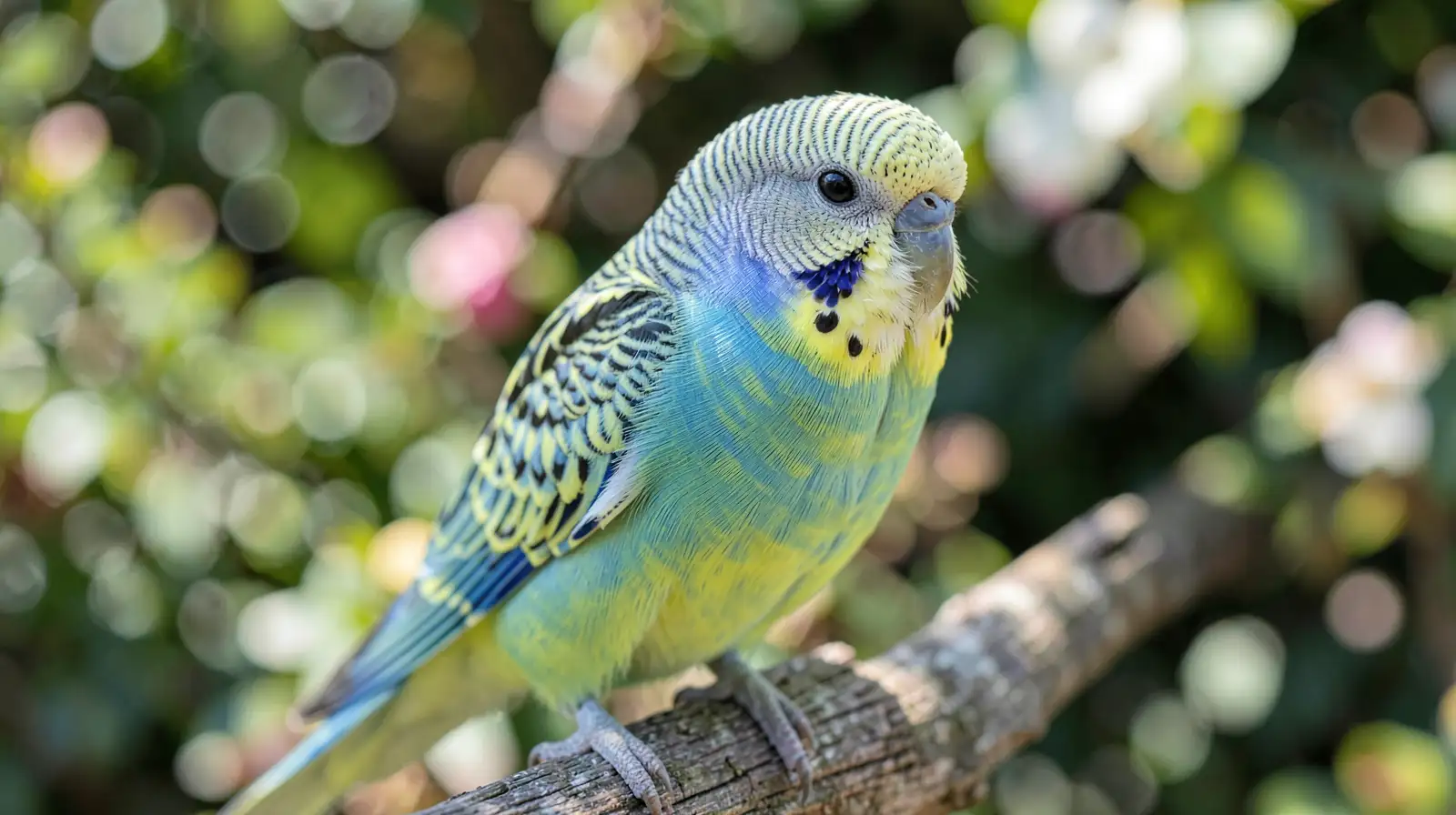
A thoughtful set-up need not be elaborate, but it should meet the bird’s physical and behavioural needs. Budgies are sensitive to their environment, so household noise, cooking fumes, temperature changes and access to other pets deserve careful consideration. Learning the basics beforehand helps owners avoid common mistakes and create a calmer start for a new bird.
Keep the cage away from scented candles, aerosols, cigarette smoke and strong cleaning products. Other pets should not be able to reach through the bars or frighten the bird. Keep the cage stable, with secure doors and feeding bowls.
Budgies are social, but interaction should be gentle and based on the bird’s comfort. Speak calmly, move slowly and allow the bird to approach rather than grabbing it. If you plan to let the bird out of its cage, first make the room safe: close windows and doors, cover mirrors where needed, switch off ceiling fans and keep other animals elsewhere.
Watch for changes in appetite, droppings, breathing, posture or activity. Birds can hide signs of illness, so contact an avian vet if you notice concerning changes rather than waiting for symptoms to become severe. Budgies also need consistent sleep and a quiet period each night. With a safe location, suitable enrichment and calm daily care, owners can make the home more comfortable for these alert little companions.
A thoughtful set-up need not be elaborate, but it should meet the bird’s physical and behavioural needs. Budgies are sensitive to their environment, so household noise, cooking fumes, temperature changes and access to other pets deserve careful consideration. Learning the basics beforehand helps owners avoid common mistakes and create a calmer start for a new bird.
Choose a safe cage location
Select a spacious cage that allows the bird to spread its wings and move between perches. The bar spacing should suit a budgie so the head cannot become trapped. Place the cage in a lived-in room where the bird can observe household activity, but avoid draughts, direct harsh sunlight and sudden temperature changes. The kitchen is usually unsuitable because cooking fumes, smoke and overheated non-stick cookware can be dangerous to birds.You may also like
- Health: If you are overweight, avoid these 5 exercises at all costs—learn the correct approach instead..
- Karwa Chauth 2026: Make the evening of your first Karwa Chauth memorable—these spots offer a beautiful view of the moon..
- Pradosh Vrat in October 2026: Significance and Observance Dates
- Pradosh Vrat 2026: When is Pradosh Vrat in October? Find out the date and the timing of the Pradosh Kaal..
- Karwa Chauth: Will the fast be observed on October 28 or 29? Find out the auspicious timing for worship and the time of moonrise..
Keep the cage away from scented candles, aerosols, cigarette smoke and strong cleaning products. Other pets should not be able to reach through the bars or frighten the bird. Keep the cage stable, with secure doors and feeding bowls.
Offer movement and enrichment
Perches and safe toys provide opportunities to move, explore and chew. Avoid overcrowding the cage; leave room for flight-like movement between perches and rotate suitable toys gradually to maintain interest. Check each item for loose threads, sharp edges or small parts that could be swallowed.Budgies are social, but interaction should be gentle and based on the bird’s comfort. Speak calmly, move slowly and allow the bird to approach rather than grabbing it. If you plan to let the bird out of its cage, first make the room safe: close windows and doors, cover mirrors where needed, switch off ceiling fans and keep other animals elsewhere.
Keep a steady daily routine
Provide fresh drinking water and an appropriate balanced diet, with a veterinarian experienced in birds advising on nutrition. A seed-only diet may not meet every nutritional need, so do not make sudden changes without learning how to transition foods safely. Clean food and water containers daily and remove spoiled fresh food promptly.Watch for changes in appetite, droppings, breathing, posture or activity. Birds can hide signs of illness, so contact an avian vet if you notice concerning changes rather than waiting for symptoms to become severe. Budgies also need consistent sleep and a quiet period each night. With a safe location, suitable enrichment and calm daily care, owners can make the home more comfortable for these alert little companions.






Loving Newspoint? Download the app now
