
Bringing Home a Puppy? Follow These Simple Steps to Make House-Training Easier

House-training a puppy is less about correcting accidents and more about creating a routine the animal can understand in a new home. Young dogs have small bladders, limited control and little idea where the household expects them to toilet. Regular opportunities, close supervision and rewards help them make the right association.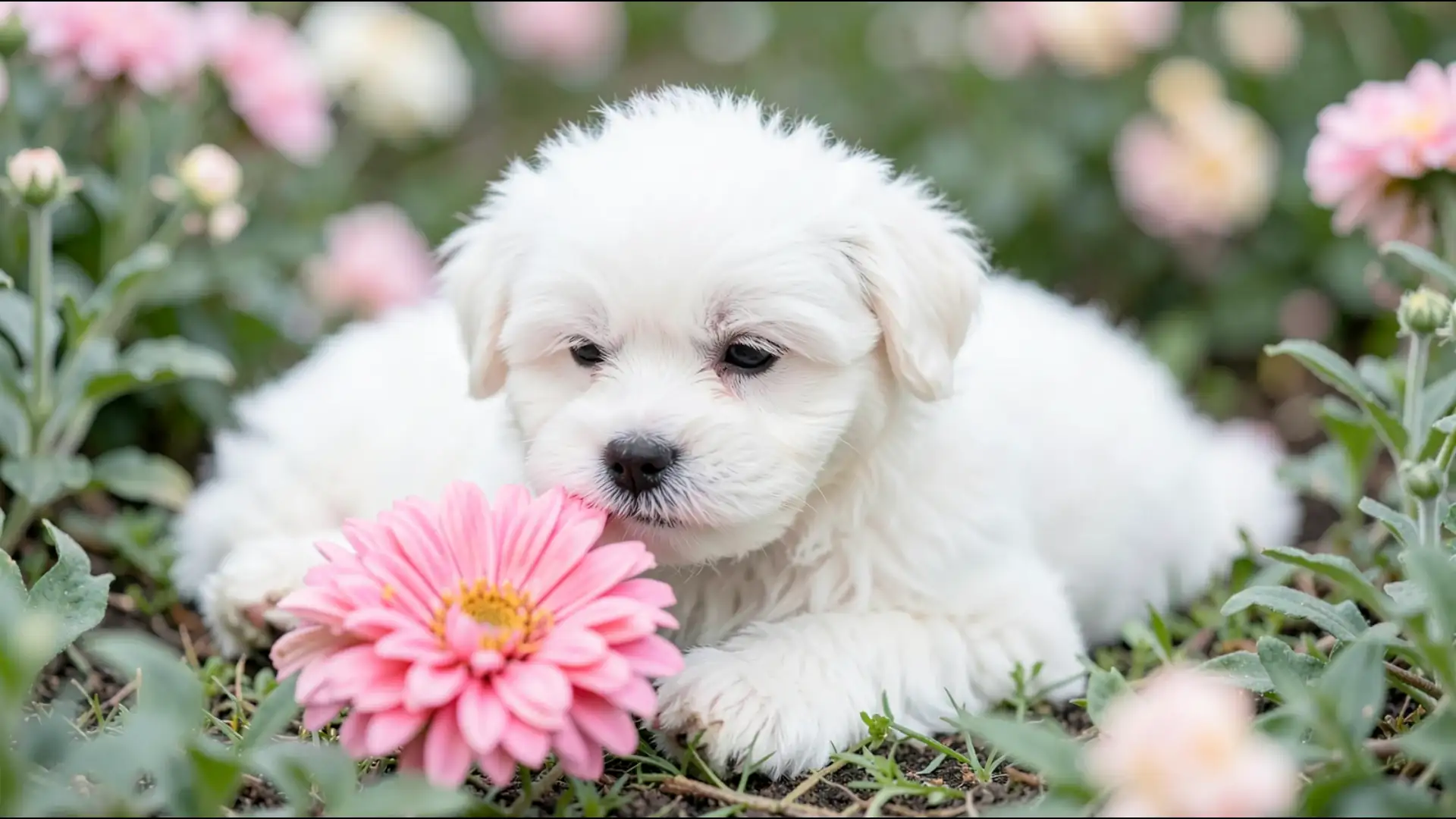
Progress is rarely perfectly straight. A puppy may manage several successful days and still have an accident after a change in routine, an exciting game or a long nap. Patience matters: punishment can make a puppy hide when it needs to go, rather than learn where it should go.
The moment it finishes, offer a small treat and calm praise. Rewarding immediately makes the connection clearer than giving a treat after returning indoors.
Keep a simple record of meals, naps and successful toilet trips for the first few weeks. It can reveal when accidents are most likely and help you adjust the schedule. Avoid restricting water to reduce toileting; puppies need access to fresh drinking water.
At night, keep the sleeping area close enough that you can hear signs of restlessness. Take the puppy out quietly, allow time to toilet and return it to bed without turning the break into play.
Progress is rarely perfectly straight. A puppy may manage several successful days and still have an accident after a change in routine, an exciting game or a long nap. Patience matters: punishment can make a puppy hide when it needs to go, rather than learn where it should go.
Set a predictable pattern
Take the puppy to its toilet area as soon as it wakes, after eating or drinking, after play and before bedtime. Very young puppies may also need opportunities during the night. At first, offer breaks frequently while the puppy is awake rather than expecting it to wait for long stretches.You may also like
- High jewellery turns statement rings into sculptural art
- Understanding Knee Pain in Younger Adults: Causes and Prevention
- Morning Beverages: Choosing the Healthiest Option for Your Day
- Understanding Tooth Decay: Causes, Symptoms, and Prevention Tips
- Effective Home Remedies for Quick Relief from Throat Pain
The moment it finishes, offer a small treat and calm praise. Rewarding immediately makes the connection clearer than giving a treat after returning indoors.
Watch for early signals
Sniffing the floor, circling, suddenly wandering away from play or heading towards a door can mean a toilet break is needed. These signs are not identical in every puppy, so observe patterns. If you cannot watch closely, use a safe, comfortable pen or puppy-proofed area for a short period, with room to rest and move.Keep a simple record of meals, naps and successful toilet trips for the first few weeks. It can reveal when accidents are most likely and help you adjust the schedule. Avoid restricting water to reduce toileting; puppies need access to fresh drinking water.
Respond calmly to accidents
If you catch the puppy beginning to toilet indoors, interrupt gently and take it to the designated spot. If you find a mess later, clean it thoroughly with an appropriate pet-safe enzymatic cleaner. Punishing the puppy, shouting or rubbing its nose in the mess does not teach the correct location and may make it fearful.At night, keep the sleeping area close enough that you can hear signs of restlessness. Take the puppy out quietly, allow time to toilet and return it to bed without turning the break into play.
Know when to seek advice
If a puppy suddenly starts having frequent accidents after making progress, or strains, cries, passes blood or urinates unusually often, contact a vet. A urinary or digestive problem may be involved. Training takes time, but persistent changes in toileting should not automatically be treated as disobedience.





Loving Newspoint? Download the app now
