
Buddha Purnima 2026: Significance, Meaning of Buddha’s Expressions and Mudras

Every year, the full moon of the Vaishakh month brings with it a sense of quiet reflection and spiritual energy. This sacred day is celebrated as Buddha Purnima, also known as Buddha Jayanti. In 2026, it falls on May 1, offering devotees an opportunity to pause, reflect, and connect with deeper truths of life.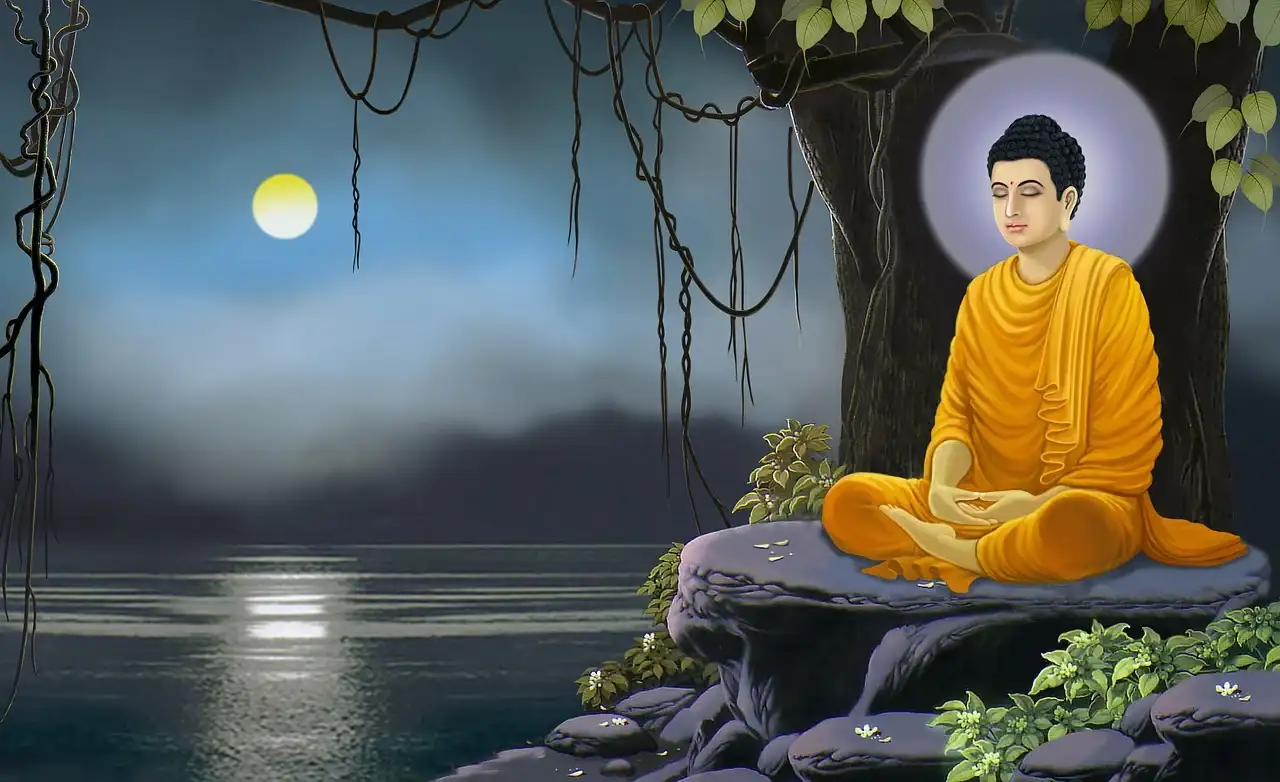
This day holds unique importance as it marks three major milestones in the life of Gautam Buddha, his birth, enlightenment, and Mahaparinirvana, which signifies his final liberation. According to Hindu belief, it is also the day when Lord Vishnu took his ninth incarnation in the form of Buddha. Celebrated as Vaishakh Purnima, this day beautifully connects spiritual traditions and reminds people of the timeless quest for truth and peace.
Why Buddha Is Always Seen Calm and Serene
One of the most striking aspects of Gautam Buddha is his calm and composed expression in almost every statue and painting. This peaceful presence is not just artistic but deeply symbolic of his life journey.
From childhood, Buddha displayed a thoughtful and introspective nature. He was less interested in material pleasures and more drawn towards understanding life’s deeper meaning. As he grew older, this curiosity turned into a spiritual quest. He eventually renounced his royal life and chose a path of meditation and self-discovery.
His journey led him to meditate under the sacred Bodhi Tree in Bodh Gaya. After years of intense meditation and inner struggle, he attained enlightenment. This moment brought complete clarity, freeing him from desires, anger, and attachment. The calm expression we associate with Buddha today reflects this inner stillness and balance. It represents a state where the mind is at peace, untouched by chaos or craving.
Understanding Buddha’s Mudras and Their Deeper Meaning
Beyond his serene face, Buddha is often depicted with specific hand gestures known as mudras. These gestures are not random. Each one carries a spiritual message and represents an aspect of his teachings.
Dharmachakra Mudra (Gesture of Teaching)
This mudra symbolises the turning of the wheel of Dharma. It represents the moment Buddha delivered his first sermon, sharing the path of knowledge and truth with the world.
Dhyana Mudra (Meditation Gesture)
With both hands resting in the lap, this gesture reflects deep meditation and concentration. It represents the journey inward, where one seeks clarity and enlightenment.
Bhumisparsha Mudra (Earth-Touching Gesture)
In this powerful posture, Buddha touches the earth, calling it to witness his enlightenment. It stands for truth, determination, and the victory of wisdom over illusion.
Varada Mudra (Gesture of Giving)
This gesture reflects generosity and compassion. It symbolises the act of offering help, kindness, and blessings to others.
Karana Mudra (Gesture of Protection)
Often associated with removing negativity, this mudra is believed to ward off fear and harmful influences, creating a sense of protection.
Vajra Mudra (Gesture of Strength)
This gesture represents inner strength and the balance of natural elements. It highlights the power that comes from harmony within.
Vitarka Mudra (Gesture of Discussion)
Formed by joining the thumb and index finger, this mudra represents teaching, intellectual discussion, and the sharing of wisdom.
Abhaya Mudra (Gesture of Fearlessness)
With the palm raised outward, this gesture conveys reassurance and protection. It encourages fearlessness and trust in the path ahead.
Uttarabodhi Mudra (Gesture of Enlightenment)
This mudra symbolises supreme knowledge and connection with universal energy. It reflects the highest state of awareness.
Anjali Mudra (Gesture of Respect)
With palms joined together, this gesture expresses humility, gratitude, and devotion. It is a universal sign of respect and greeting.
A Message That Lives On
Buddha Purnima is not just about rituals or celebration. It is a moment to pause and reflect on values like compassion, patience, and self-awareness. The calm expressions and meaningful mudras of Buddha continue to inspire people across generations.
In a fast-moving world, his teachings remind us to slow down, look within, and find peace in simplicity. This Buddha Purnima, the message remains clear, true happiness lies in balance, mindfulness, and a heart free from negativity.
This day holds unique importance as it marks three major milestones in the life of Gautam Buddha, his birth, enlightenment, and Mahaparinirvana, which signifies his final liberation. According to Hindu belief, it is also the day when Lord Vishnu took his ninth incarnation in the form of Buddha. Celebrated as Vaishakh Purnima, this day beautifully connects spiritual traditions and reminds people of the timeless quest for truth and peace.
Why Buddha Is Always Seen Calm and Serene
One of the most striking aspects of Gautam Buddha is his calm and composed expression in almost every statue and painting. This peaceful presence is not just artistic but deeply symbolic of his life journey.From childhood, Buddha displayed a thoughtful and introspective nature. He was less interested in material pleasures and more drawn towards understanding life’s deeper meaning. As he grew older, this curiosity turned into a spiritual quest. He eventually renounced his royal life and chose a path of meditation and self-discovery.
His journey led him to meditate under the sacred Bodhi Tree in Bodh Gaya. After years of intense meditation and inner struggle, he attained enlightenment. This moment brought complete clarity, freeing him from desires, anger, and attachment. The calm expression we associate with Buddha today reflects this inner stillness and balance. It represents a state where the mind is at peace, untouched by chaos or craving.
Understanding Buddha’s Mudras and Their Deeper Meaning
Beyond his serene face, Buddha is often depicted with specific hand gestures known as mudras. These gestures are not random. Each one carries a spiritual message and represents an aspect of his teachings. Dharmachakra Mudra (Gesture of Teaching)
This mudra symbolises the turning of the wheel of Dharma. It represents the moment Buddha delivered his first sermon, sharing the path of knowledge and truth with the world. Dhyana Mudra (Meditation Gesture)
With both hands resting in the lap, this gesture reflects deep meditation and concentration. It represents the journey inward, where one seeks clarity and enlightenment. Bhumisparsha Mudra (Earth-Touching Gesture)
In this powerful posture, Buddha touches the earth, calling it to witness his enlightenment. It stands for truth, determination, and the victory of wisdom over illusion.You may also like
- Significance of Vaishakh Purnima: Rituals for Prosperity and Spiritual Growth
- Celebrating Narasimha Jayanti 2026: Significance and Rituals
- Narasimha Jayanti 2026: Lord Narasimha Manifests in Response to a Devotee's Call—Learn the Legend and Significance of the Worship..
- Gauranga Das shares a powerful message for parents, most are missing this at home
- Understanding Nautapa 2026: Dates, Significance, and Remedies
Varada Mudra (Gesture of Giving)
This gesture reflects generosity and compassion. It symbolises the act of offering help, kindness, and blessings to others. Karana Mudra (Gesture of Protection)
Often associated with removing negativity, this mudra is believed to ward off fear and harmful influences, creating a sense of protection. Vajra Mudra (Gesture of Strength)
This gesture represents inner strength and the balance of natural elements. It highlights the power that comes from harmony within. Vitarka Mudra (Gesture of Discussion)
Formed by joining the thumb and index finger, this mudra represents teaching, intellectual discussion, and the sharing of wisdom. Abhaya Mudra (Gesture of Fearlessness)
With the palm raised outward, this gesture conveys reassurance and protection. It encourages fearlessness and trust in the path ahead.Uttarabodhi Mudra (Gesture of Enlightenment)
This mudra symbolises supreme knowledge and connection with universal energy. It reflects the highest state of awareness. Anjali Mudra (Gesture of Respect)
With palms joined together, this gesture expresses humility, gratitude, and devotion. It is a universal sign of respect and greeting. A Message That Lives On
Buddha Purnima is not just about rituals or celebration. It is a moment to pause and reflect on values like compassion, patience, and self-awareness. The calm expressions and meaningful mudras of Buddha continue to inspire people across generations. In a fast-moving world, his teachings remind us to slow down, look within, and find peace in simplicity. This Buddha Purnima, the message remains clear, true happiness lies in balance, mindfulness, and a heart free from negativity.






More from our partners


Loving Newspoint? Download the app now
